Activity
Mon
Wed
Fri
Sun
Nov
Dec
Jan
Feb
Mar
Apr
May
Jun
Jul
Aug
Sep
Oct
What is this?
Less
More
The Producer League
331
Free
Claude Code Club
7.9k
4.9
$9/m
Pinterest Skool
5.3k
5.0
$7/m
Pre Foreclosure Real Estate
3.5k
Free
The Note Prospectors
183
5.0
Free
TheCyberWild Rocks
38
Free
Retirement CASH FLOW
561
$79/m
ULTRA: Attorney-Led REI
456
Free
Actual Tax Law
13.3k
Free
6 contributions to The Potted Garden Society

Nov '25 •
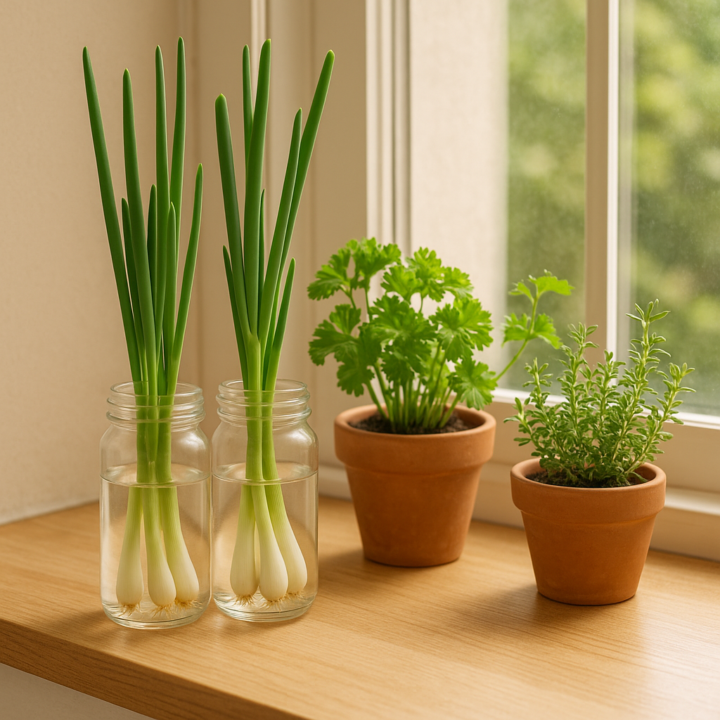
🌿 Growing Green Onions Indoors — No Garden Bed Required
If you love the flavor of fresh green onions but think you need a full garden bed to grow them, think again! These versatile, easygoing plants are practically made for indoor growing. With just a sunny windowsill, a few everyday items, and a little water, you can have a constant supply of crisp, flavorful green onions right in your kitchen. 🪴 𝐖𝐡𝐲 𝐆𝐫𝐞𝐞𝐧 𝐎𝐧𝐢𝐨𝐧𝐬 𝐀𝐫𝐞 𝐏𝐞𝐫𝐟𝐞𝐜𝐭 𝐟𝐨𝐫 𝐈𝐧𝐝𝐨𝐨𝐫𝐬 Green onions (also called scallions) are one of the simplest crops to regrow. No complicated setup, no special lights, and no garden soil required. They grow fast, take up very little space, and thrive in the same indoor conditions that make you comfortable: warm, bright, and cozy. Plus, they’re a cut-and-come-again crop. Meaning you can snip the tops and watch them regrow again and again! 🌱 𝐎𝐩𝐭𝐢𝐨𝐧 𝟏: 𝐑𝐞𝐠𝐫𝐨𝐰 𝐟𝐫𝐨𝐦 𝐊𝐢𝐭𝐜𝐡𝐞𝐧 𝐒𝐜𝐫𝐚𝐩𝐬 You can start with store-bought green onions: 𝟏. Trim off the green tops, leaving 2–3 inches of the white bulb with roots attached. 𝟐. Place the bulbs upright in a small glass or jar with about an inch of water — just enough to cover the roots. 𝟑. Set the glass on a sunny windowsill. 𝟒. Change the water every few days to keep it fresh. Within a week, you’ll see new green growth shooting up — and you can start harvesting again in as little as 10–14 days. 💡 𝑃𝑟𝑜 𝑇𝑖𝑝: Once they’ve regrown a few times, transplant them into a small pot of soil for even longer life. 🌿 𝐎𝐩𝐭𝐢𝐨𝐧 𝟐: 𝐆𝐫𝐨𝐰 𝐟𝐫𝐨𝐦 𝐒𝐞𝐞𝐝 𝐢𝐧 𝐏𝐨𝐭𝐬 If you’d rather start fresh: 𝟏. Fill a small container (4–6 inches deep) with potting mix. 𝟐. Sow seeds about ½ inch apart and cover lightly with soil. 𝟑. Mist gently to moisten and place in a bright, sunny spot. 𝟒. Keep the soil evenly damp (not soggy). Seedlings will appear in about a week. Once they reach 6–8 inches tall, snip what you need — they’ll regrow from the base! ☀️ 𝐋𝐢𝐠𝐡𝐭 & 𝐓𝐞𝐦𝐩𝐞𝐫𝐚𝐭𝐮𝐫𝐞 * Place your jar or pot near a south- or west-facing window. * Green onions love bright, indirect sunlight — about 6 hours a day. * Keep them in temperatures between 60–75°F (most homes are perfect).

2 likes • Nov '25
I love green onions! And this would be a good container plant since they have a flexible growing season and are nice to have close to the kitchen
Oct '25 •
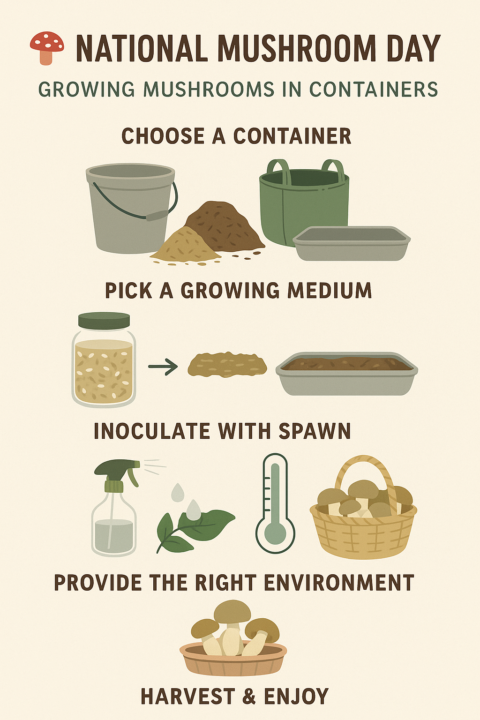
🍄 National Mushroom Day: Growing Mushrooms in Containers
October 15 is 𝐍𝐚𝐭𝐢𝐨𝐧𝐚𝐥 𝐌𝐮𝐬𝐡𝐫𝐨𝐨𝐦 𝐃𝐚𝐲 and what better way to celebrate than by exploring how to grow these fascinating fungi in your own container garden? Unlike most veggies and herbs, mushrooms thrive in dark, damp, and cool spaces, making them an ideal crop for gardeners with limited outdoor areas. 🌱 𝐖𝐡𝐲 𝐆𝐫𝐨𝐰 𝐌𝐮𝐬𝐡𝐫𝐨𝐨𝐦𝐬 𝐢𝐧 𝐂𝐨𝐧𝐭𝐚𝐢𝐧𝐞𝐫𝐬? * 𝐒𝐩𝐚𝐜𝐞-𝐒𝐚𝐯𝐢𝐧𝐠: Perfect for patios, balconies, or even indoors. * 𝐋𝐨𝐰 𝐋𝐢𝐠𝐡𝐭 𝐍𝐞𝐞𝐝𝐬: Mushrooms don’t need sunlight—just moisture and the right growing medium. * 𝐅𝐚𝐬𝐭 𝐇𝐚𝐫𝐯𝐞𝐬𝐭: Many varieties are ready in 4–6 weeks. * 𝐔𝐧𝐢𝐪𝐮𝐞 𝐀𝐝𝐝𝐢𝐭𝐢𝐨𝐧: Adds variety to your container harvest beyond the usual greens and herbs. 🍄 𝐁𝐞𝐬𝐭 𝐌𝐮𝐬𝐡𝐫𝐨𝐨𝐦𝐬 𝐟𝐨𝐫 𝐁𝐞𝐠𝐢𝐧𝐧𝐞𝐫𝐬 * 𝐎𝐲𝐬𝐭𝐞𝐫 𝐌𝐮𝐬𝐡𝐫𝐨𝐨𝐦𝐬 – Fast-growing and forgiving, thrive in straw or sawdust. * 𝐒𝐡𝐢𝐢𝐭𝐚𝐤𝐞 𝐌𝐮𝐬𝐡𝐫𝐨𝐨𝐦𝐬 – Rich flavor, often grown on hardwood logs or blocks. * 𝐖𝐡𝐢𝐭𝐞 𝐁𝐮𝐭𝐭𝐨𝐧 𝐌𝐮𝐬𝐡𝐫𝐨𝐨𝐦𝐬 – The classic choice, easy to grow indoors. * 𝐋𝐢𝐨𝐧’𝐬 𝐌𝐚𝐧𝐞 – Unique texture and taste, plus great for gourmet cooking. 🪴𝐇𝐨𝐰 𝐭𝐨 𝐆𝐫𝐨𝐰 𝐌𝐮𝐬𝐡𝐫𝐨𝐨𝐦𝐬 𝐢𝐧 𝐂𝐨𝐧𝐭𝐚𝐢𝐧𝐞𝐫𝐬 * 𝐂𝐡𝐨𝐨𝐬𝐞 𝐚 𝐂𝐨𝐧𝐭𝐚𝐢𝐧𝐞𝐫: Buckets, grow bags, or trays all work well. * 𝐏𝐢𝐜𝐤 𝐚 𝐆𝐫𝐨𝐰𝐢𝐧𝐠 𝐌𝐞𝐝𝐢𝐮𝐦: Straw, sawdust, coffee grounds, or hardwood plugs (depending on variety). * 𝐈𝐧𝐨𝐜𝐮𝐥𝐚𝐭𝐞 𝐰𝐢𝐭𝐡 𝐒𝐩𝐚𝐰𝐧: Mushroom “seed” (spawn) is mixed into the medium. * 𝐏𝐫𝐨𝐯𝐢𝐝𝐞 𝐭𝐡𝐞 𝐑𝐢𝐠𝐡𝐭 𝐄𝐧𝐯𝐢𝐫𝐨𝐧𝐦𝐞𝐧𝐭: Cool, damp, and dark spaces are ideal—like a basement or closet. * 𝐌𝐢𝐬𝐭 𝐟𝐨𝐫 𝐌𝐨𝐢𝐬𝐭𝐮𝐫𝐞: Keep the medium moist but not soggy. * 𝐇𝐚𝐫𝐯𝐞𝐬𝐭 & 𝐄𝐧𝐣𝐨𝐲: When caps open or “fruits” emerge, cut mushrooms at the base and enjoy fresh! 🌟 𝐅𝐢𝐧𝐚𝐥 𝐓𝐡𝐨𝐮𝐠𝐡𝐭 Mushrooms may not grow in the same sunny pots as your tomatoes and basil, but they’re an amazing container crop. Compact, productive, and delicious—these fungi are a gardener’s secret treasure. 👉 Have you ever tried growing mushrooms in containers? Share your experiences—or your favorite mushroom recipe—with us in the community!
0 likes • Oct '25
One more rain and the forest provides! My absolute favorite pastime, plus my favorite food.
Oct '25 •
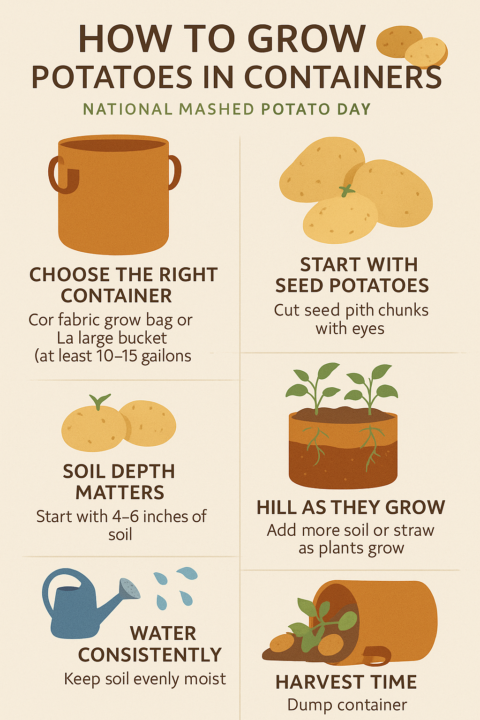
🥔 National Mashed Potato Day: Grow Your Own Spuds in Containers
October 18 is National Mashed Potato Day — and what better way to celebrate than by dreaming of fluffy, buttery mashed potatoes made from your very own harvest? The good news: you don’t need a farm field to grow potatoes. With just a container and a little know-how, you can raise a crop of spuds right on your patio, balcony, or deck. 🌱 𝐖𝐡𝐲 𝐆𝐫𝐨𝐰 𝐏𝐨𝐭𝐚𝐭𝐨𝐞𝐬 𝐢𝐧 𝐂𝐨𝐧𝐭𝐚𝐢𝐧𝐞𝐫𝐬? * 𝐒𝐩𝐚𝐜𝐞 𝐒𝐚𝐯𝐞𝐫: Containers let you grow potatoes even in small spaces. * 𝐄𝐚𝐬𝐲 𝐇𝐚𝐫𝐯𝐞𝐬𝐭: Just tip over the pot or dig through the soil for your fresh spuds. * 𝐅𝐞𝐰𝐞𝐫 𝐏𝐞𝐬𝐭𝐬: Container growing helps reduce problems like wireworms and soil-borne diseases. * 𝐅𝐮𝐧 𝐟𝐨𝐫 𝐅𝐚𝐦𝐢𝐥𝐢𝐞𝐬: Kids love the “treasure hunt” of digging up potatoes! 🪴 𝐇𝐨𝐰 𝐭𝐨 𝐆𝐫𝐨𝐰 𝐏𝐨𝐭𝐚𝐭𝐨𝐞𝐬 𝐢𝐧 𝐂𝐨𝐧𝐭𝐚𝐢𝐧𝐞𝐫𝐬 𝐂𝐡𝐨𝐨𝐬𝐞 𝐭𝐡𝐞 𝐑𝐢𝐠𝐡𝐭 𝐂𝐨𝐧𝐭𝐚𝐢𝐧𝐞𝐫 – A fabric grow bag or large bucket (at least 10–15 gallons). 𝐒𝐭𝐚𝐫𝐭 𝐰𝐢𝐭𝐡 𝐒𝐞𝐞𝐝 𝐏𝐨𝐭𝐚𝐭𝐨𝐞𝐬 – Cut into chunks with eyes, let them cure, and plant. 𝐒𝐨𝐢𝐥 𝐃𝐞𝐩𝐭𝐡 𝐌𝐚𝐭𝐭𝐞𝐫𝐬 – Begin with 4–6 inches of soil, plant your seed pieces, and cover lightly. 𝐇𝐢𝐥𝐥 𝐚𝐬 𝐓𝐡𝐞𝐲 𝐆𝐫𝐨𝐰 – Add more soil or straw as plants grow taller, leaving leaves exposed. This Hill as They Grow encourages more tuber production. 𝐖𝐚𝐭𝐞𝐫 𝐂𝐨𝐧𝐬𝐢𝐬𝐭𝐞𝐧𝐭𝐥𝐲 – Keep soil evenly moist, but not soggy. 𝐇𝐚𝐫𝐯𝐞𝐬𝐭 𝐓𝐢𝐦𝐞 – Once plants yellow and die back, dump the container and enjoy your homegrown potatoes. 🍴 𝐅𝐫𝐨𝐦 𝐏𝐨𝐭 𝐭𝐨 𝐏𝐥𝐚𝐭𝐞 The reward for your container potato crop? The freshest, creamiest mashed potatoes you’ll ever taste. Add butter, cream, garlic, or herbs straight from your container herb garden for the ultimate garden-to-table side dish. 👉 Have you ever grown potatoes in containers? Share your potato-growing stories—or your secret to the perfect mashed potatoes!
3 likes • Oct '25
Potato’s do great in pots! I think that’s why they’re called POT-atoes. 😂😂 They seem to pop up everywhere but when I plant them, I like to use half barrels. 1) we have terrible gophers where I live in NorCal 2) you can keep adding leaves and straw and compost to fill it deeper as the plants grow taller and the tubers fill the whole thing 3) easy to harvest by tipping the pot right over
Sep '25 •
Fall Equinox – First Day of Autumn 🍁🌎🌱
The Fall Equinox marks one of nature’s most magical moments: the official first day of autumn. This year, as the sun crosses the celestial equator, day and night become nearly equal in length. For gardeners, it’s more than a date on the calendar—it’s a signal of changing rhythms in both the sky and our container gardens. 🌞 𝐖𝐡𝐚𝐭 𝐈𝐬 𝐭𝐡𝐞 𝐅𝐚𝐥𝐥 𝐄𝐪𝐮𝐢𝐧𝐨𝐱? The Fall Equinox happens around September 22–23 each year, when the Earth tilts in such a way that sunlight is evenly distributed across the planet. After this point, the Northern Hemisphere leans away from the sun, bringing shorter days, cooler temperatures, and the gradual shift from summer to autumn. 🍂 𝐖𝐡𝐚𝐭 𝐈𝐭 𝐌𝐞𝐚𝐧𝐬 𝐟𝐨𝐫 𝐆𝐚𝐫𝐝𝐞𝐧𝐞𝐫𝐬? For container gardeners, the equinox is a reminder to: * 𝐀𝐝𝐣𝐮𝐬𝐭 𝐰𝐚𝐭𝐞𝐫𝐢𝐧𝐠 𝐫𝐨𝐮𝐭𝐢𝐧𝐞𝐬 – Shorter days mean slower evaporation. Plants may not need as much water as they did during the peak of summer. * 𝐒𝐡𝐢𝐟𝐭 𝐩𝐥𝐚𝐧𝐭 𝐜𝐚𝐫𝐞 – Sunlight hours are dwindling, so move containers to spots where they’ll soak up the most available light. * 𝐏𝐥𝐚𝐧 𝐜𝐨𝐨𝐥-𝐬𝐞𝐚𝐬𝐨𝐧 𝐜𝐫𝐨𝐩𝐬 – Spinach, kale, radishes, and broccoli thrive in this post-equinox season. If you’ve been waiting to sow fall crops, now is the time. * 𝐒𝐭𝐚𝐫𝐭 𝐩𝐫𝐞𝐩𝐚𝐫𝐢𝐧𝐠 𝐟𝐨𝐫 𝐟𝐫𝐨𝐬𝐭 – The equinox is a nudge to check your first expected frost date and get row covers or portable greenhouses ready for container protection. 🪴 𝐖𝐚𝐲𝐬 𝐭𝐨 𝐂𝐞𝐥𝐞𝐛𝐫𝐚𝐭𝐞 𝐭𝐡𝐞 𝐅𝐚𝐥𝐥 𝐄𝐪𝐮𝐢𝐧𝐨𝐱 𝐢𝐧 𝐘𝐨𝐮𝐫 𝐆𝐚𝐫𝐝𝐞𝐧 * 𝐇𝐚𝐫𝐯𝐞𝐬𝐭 𝐜𝐞𝐥𝐞𝐛𝐫𝐚𝐭𝐢𝐨𝐧: Gather your final tomatoes, peppers, and herbs for a special meal marking the season change. * 𝐏𝐥𝐚𝐧𝐭 𝐬𝐨𝐦𝐞𝐭𝐡𝐢𝐧𝐠 𝐧𝐞𝐰: Start leafy greens or herbs that love cooler weather—like parsley or cilantro. * 𝐃𝐞𝐜𝐨𝐫𝐚𝐭𝐞 𝐲𝐨𝐮𝐫 𝐜𝐨𝐧𝐭𝐚𝐢𝐧𝐞𝐫𝐬: Mix edible crops with autumn décor like mini pumpkins, ornamental kale, or mums. * 𝐓𝐚𝐤𝐞 𝐚 𝐦𝐨𝐦𝐞𝐧𝐭 𝐨𝐟 𝐛𝐚𝐥𝐚𝐧𝐜𝐞: Just as day and night are balanced on this day, spend a few quiet moments in your garden reflecting on balance in your own life. 🌟 𝐀 𝐒𝐞𝐚𝐬𝐨𝐧 𝐨𝐟 𝐂𝐡𝐚𝐧𝐠𝐞 𝐚𝐧𝐝 𝐀𝐛𝐮𝐧𝐝𝐚𝐧𝐜𝐞 The Fall Equinox isn’t just the start of autumn—it’s the beginning of a season filled with cozy harvests, crisp air, and containers brimming with cool-weather crops. By tuning into the rhythms of the earth, container gardeners can embrace not just the science of growing, but also the joy of connecting with the seasons.

2 likes • Sep '25
Yes, container planting is good for this season because they don’t use as much water. Maybe you can move them under cover for the frost
Sep '25 •
🌿 Sage, Thyme & Rosemary: A Fall Herb Trio for Containers
When the cooler air of fall rolls in, many gardeners assume it’s time to pack away the trowels and let their gardens rest. But autumn is actually prime season for some of the most flavorful and hardy herbs around—sage, thyme, and rosemary. This aromatic trio doesn’t just survive fall; they thrive in containers and bring flavor, fragrance, and greenery well into the season. 🍃 𝐖𝐡𝐲 𝐓𝐡𝐞𝐬𝐞 𝐓𝐡𝐫𝐞𝐞 𝐇𝐞𝐫𝐛𝐬? * 𝐒𝐚𝐠𝐞: Its silvery, textured leaves add visual interest, while the earthy flavor is a fall kitchen staple, perfect for roasted vegetables and stuffing. * 𝐓𝐡𝐲𝐦𝐞: Compact, resilient, and flavorful, thyme fills in beautifully around other plants and tolerates cooler nights. * 𝐑𝐨𝐬𝐞𝐦𝐚𝐫𝐲: This Mediterranean favorite loves a sunny spot and doubles as an ornamental container “thriller” with its upright growth. Together, they create a mini herb garden that’s practical, beautiful, and incredibly fragrant. 🌱 𝐂𝐨𝐧𝐭𝐚𝐢𝐧𝐞𝐫 𝐆𝐫𝐨𝐰𝐢𝐧𝐠 𝐓𝐢𝐩𝐬 * 𝐂𝐡𝐨𝐨𝐬𝐞 𝐭𝐡𝐞 𝐑𝐢𝐠𝐡𝐭 𝐏𝐨𝐭: A 12–14 inch wide container works well for all three if planted together. Make sure it has excellent drainage. * 𝐒𝐨𝐢𝐥: Use a well-draining potting mix with added sand or perlite. These herbs don’t like “wet feet.” * 𝐒𝐮𝐧𝐥𝐢𝐠𝐡𝐭: Aim for 6+ hours of direct sun daily—especially crucial for rosemary. * 𝐖𝐚𝐭𝐞𝐫𝐢𝐧𝐠: Keep the soil slightly moist but never soggy. Allow the top inch of soil to dry before watering again. * 𝐏𝐫𝐮𝐧𝐢𝐧𝐠: Snip regularly to encourage new growth and prevent woody stems. 🍲 𝐅𝐚𝐥𝐥 𝐅𝐥𝐚𝐯𝐨𝐫𝐬 𝐢𝐧 𝐭𝐡𝐞 𝐊𝐢𝐭𝐜𝐡𝐞𝐧 One of the joys of these herbs is their perfect pairing with fall cooking. Try: * 𝐒𝐚𝐠𝐞: Toss fresh leaves into butternut squash soup or brown butter pasta. * 𝐓𝐡𝐲𝐦𝐞: Add sprigs to roasted root vegetables or chicken dishes. * 𝐑𝐨𝐬𝐞𝐦𝐚𝐫𝐲: Infuse olive oil, or use whole sprigs for roasting meats and potatoes. Together, they bring warmth and depth to autumn meals. 🌿 𝐐𝐮𝐢𝐜𝐤 𝐓𝐢𝐩 Bring your container indoors before the first frost (especially rosemary, which is less cold-hardy than sage or thyme). Place them in a bright window, and they’ll keep your kitchen stocked with fresh herbs all winter long.
2 likes • Sep '25
Yes! They might not grow much during the winter but they are getting established so in the spring they can flourish.
1-6 of 6

@lucas-edmonds-1564
If you have $10k MRR and want generational wealth, DM me. Defend against the 4 Killers: Tax, Inflation, Risk, Opportunity Cost
Active 19h ago
Joined Sep 11, 2025
Powered by