Activity
Mon
Wed
Fri
Sun
Nov
Dec
Jan
Feb
Mar
Apr
May
Jun
Jul
Aug
Sep
Oct
What is this?
Less
More
Owned by Kristina
Advance your peptide research with precise, science-driven guidance, expert community talk, and access to vetted suppliers, promotions, and giveaways.
Medical Courier Community
35.8k
Free
Cale's Peptide Guide
3.6k
Free
The 3D Printing Hub
1.2k
Free
OfficialShelbyPepTalk
2.3k
Free
The 7-Figure_Affiliate
17
Free
The AI Advantage
130.3k
Free
Expert by Monday (FREE)
540
Free
336 contributions to KRISTINA’S PEPTIDE JUNKIES 24

13d •
JADE NEXUS PEPTIDE BLENDS: A BREAKDOWN ANYONE CAN UNDERSTAND
FAT METABOLISM? ENERGY? PERFORMANCE? RECOVERY? WHICH BLEND DOES WHAT? STOP GUESSING! These three Jade Nexus blends may look similar, but their ingredients target very different biological pathways! Here's a quick breakdown of what makes each one unique! DRAGON PULSE II — $65 METABOLISM AND ENERGY | 10 mL - Fat metabolism - Mitochondrial energy production - Liver lipid metabolism - Insulin signaling - Methylation support Key Ingredients: L-Carnitine, MIC, NADH, B6, B12 POWER DRIVE — $65 PERFORMANCE AND RECOVERY | 10 mL - Nitric oxide production - Blood flow and vascular function - Exercise metabolism - Muscle recovery pathways - Collagen and antioxidant support Key Ingredients: Arginine, Citrulline, NAC, Taurine, Carnitine and additional amino acids GATOR JUICE II — $60 FOUNDATIONAL METABOLIC SUPPORT | 10 mL - Carbohydrate metabolism - Fatty acid metabolism - Cellular energy production - Liver lipid metabolism - B-vitamin enzyme support Key Ingredients: L-Carnitine, MIC, B1, B2, B6 WHAT SETS EACH BLEND APART? Dragon Pulse II = Metabolic pathways Power Drive = Performance and recovery pathways Gator Juice II = Foundational metabolic pathways These are ingredient-based research focuses, not proven clinical outcomes of the finished blends. Shop now for 50% off! http://jadenexus.net/?ref=KRISTINA USE CODE: KRISTINA FOR EDUCATIONAL AND RESEARCH PURPOSES ONLY. Not for human consumption or administration. 💢A special shoutout and huge THANK YOU to my wonderful group member, Leslie, for taking the time to put together these detailed clinical reference documents! We appreciate the time, research, and effort you put into creating these valuable educational resources for our community. Members like you are what make this group so great! Thank you, Leslie, for sharing your hard work and knowledge with all of us!

2 likes • 13d
@Leslie VanHorn Thank you again Leslie. 🫶
0 likes • 3d
@Brooks Klaasmeyer
16d •
MEET BLUE CASHMERE: YOUR SKIN’S NEW LUXURY HABIT!!!!!
Apparently, I couldn’t leave peptides in their own little corner of skincare… so I invited them into body butter. 😂 Introducing PJ24 Blue Cashmere GHK-Cu Luxury Tallow Body Butter—a pretty blue jar of creamy moisture with a warm Vanilla Cashmere scent. Think freshly showered, soft pajamas, and “please don’t ask me to do anything else tonight.” Let’s talk about what’s in the jar: 💙 BEEF TALLOW The rich, moisturizing base that helps soften dry skin and hold onto moisture. Elbows, knees, and dry legs—this is your invitation. 💙 GHK-Cu COPPER PEPTIDE You know I had to bring a peptide to the party! GHK-Cu is studied for its potential to improve collagen production as well as the appearance of skin texture and firmness. 💙 VITAMIN E Adds skin-conditioning support and helps protect the oils in the formula from oxidation. 💙 VANILLA CASHMERE FRAGRANCE Because soft skin deserves to smell lovely, too. Warm, cozy, and perfect for turning your body-care routine into a little pampering session. And the ingredients working behind the scenes? Water dissolves the copper peptide and forms the cream’s water phase. Cetearyl alcohol adds softness and that creamy texture, while Polysorbate 60 helps the water and tallow stay blended. Propylene glycol carries the preservative ingredients, and Diazolidinyl Urea and Iodopropynyl Butylcarbamate help protect the formula against microbial growth. Lab-tech Kristina appreciates the behind-the-scenes crew! Each jar contains 8 ounces of body butter—ready to bring a little luxury to your bathroom shelf. Apply a small amount to clean body skin and massage in. Patch test first, especially if your skin is sensitive to fragrance. Find Blue Cashmere in my PJ24 store. Your elbows have been waiting for this. 💙 https://peptidejunkies24.shop I have also restocked the store! Time to restock your favorite skincare and hair regrowth products! *40% Skool discount not valid for this item- I will be offering 20% off with the code BB20 through the month of October. Why is 40% off not valid, you ask? Hours of my time + ingredient costs + packaging supply costs= a unique formula created especially for YOU!

1 like • 7d
@Jerrita Wilder https://peptidejunkies24.shop/products/blue-cashmere-ghk-cu-luxury-tallow-body-butter-vanilla-cashmere-8-oz-227-g
0 likes • 5d
You're welcome!
19d •
🎉 VIAL HOLDER GIVEAWAY — 4 WINNERS! 🎉
Who wants to win a FREE vial holder? I’m choosing FOUR lucky winners! In addition to the 50% off sale going on through October 15th! HOW TO ENTER: 1. Place an order with Jade Nexus 2. You MUST use discount code: KRISTINA at checkout 3. Post a screenshot of your receipt/order confirmation in the comments 4. Your screenshot MUST show your order number so I can verify your entry. 5. Feel free to cover up your name, address, payment information, or any other personal information. ⚠️ This giveaway is for Jade Nexus orders ONLY, and code KRISTINA must be used for your entry to qualify. 🏆 FOUR WINNERS will each receive a FREE vial holder! We will be giving away 2- 10 vial hold holders and 2- 25 vial holders (colors chosen at random). 📸 No order number = no entry, so make sure it’s visible in your screenshot! 🛒 ORDER HERE: Jade Nexus — https://jadenexus.net/?ref=KRISTINA Drop those receipts below and GOOD LUCK! 🍀

0 likes • 11d
@Leslie VanHorn I'm sure the sale will be back soon!
0 likes • 6d
@Gavi Israel It produces a tan without the sun and helps protect your skin from sunburn if you are in the sun. It has other benefits too. https://www.skool.com/peptidejunkies24/classroom/d9eff1d2
7d •
Judged for Your Weight. Judged for Getting Help. Let’s Talk About GLP-1 Stigma.
People have plenty of opinions about someone else’s weight. Apparently, they also have opinions about how that person is allowed to lose it. For people taking GLP-1 medications, that can mean facing judgment twice: first for living in a larger body, then for using medication to manage their weight. Too often, treatment gets labeled as cheating, taking a shortcut, or choosing the easy way out. That leaves people feeling they have to defend a healthcare decision that was never up for a public vote. What patients are experiencing: A study published in Health Communication explored these experiences through interviews with 34 adults taking GLP-1 medications. Participants described criticism from friends, family, and others around them. Some women also felt their treatment was dismissed as vanity, with people judging both their desire to lose weight and their decision to use medication. Others described an especially frustrating situation: being criticized for their weight, criticized for taking medication, and then criticized again if they didn’t lose enough. Some noticed that people became kinder or more attentive after they lost weight. While that attention might sound positive, it also raised uncomfortable questions about how they had been treated before. Why some people keep treatment private: Participants often listened carefully to how others talked about weight and GLP-1 medications before deciding whether to share their own experiences. A judgmental comment about someone else could be enough to make them think, “Well, I’m certainly not telling you.” Some kept their treatment private, even from close friends and family. Others took on the job of explaining the medication and correcting misconceptions. Several felt they needed to justify treatment by listing health conditions, describing previous weight-loss attempts, or emphasizing how much effort they were still putting in. But that can create another problem: dividing people into those who supposedly deserve treatment and those who don’t.
1 like • 7d
@Philip DiGaetano Well said! You are exactly right! 👏
Jun 10 •
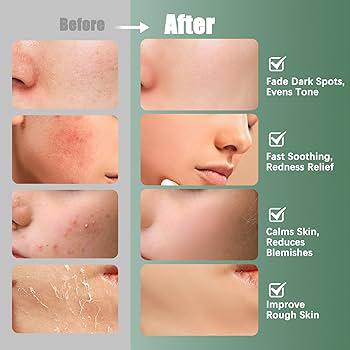
COMING SOON TO MY STORE: MADECASSOSIDE
Skin Repair • Barrier Support • Soothing Recovery Madecassoside is a highly purified bioactive compound derived from Centella asiatica (commonly known as Cica or Tiger Grass). Widely recognized in advanced skincare formulations, it is valued for its ability to calm irritated skin, support collagen production, promote skin repair, and strengthen the skin barrier. Research suggests that madecassoside possesses powerful anti-inflammatory and antioxidant properties, making it an excellent ingredient for sensitive, damaged, aging, or stressed skin. Key Benefits: Supports Skin Barrier Function - Helps strengthen and maintain the skin's natural protective barrier. - Assists in reducing moisture loss and improving overall skin resilience. - Beneficial for dry, sensitive, and compromised skin. Calms Redness and Irritation - Known for its soothing properties that help reduce visible redness and discomfort. - Commonly used in products designed for sensitive or reactive skin. Promotes Collagen Production - Supports healthy collagen synthesis, helping maintain skin firmness and elasticity. - May help improve the appearance of fine lines and wrinkles over time. Enhances Skin Recovery - Encourages healthy skin renewal and repair processes. - Frequently included in post-procedure and recovery-focused skincare formulations. Provides Antioxidant Protection - Helps neutralize free radicals that contribute to premature skin aging. - Supports healthier-looking, more youthful skin. Supports Hydration - Helps improve skin moisture retention and overall skin comfort. - Leaves skin appearing smoother, softer, and more supple. Ideal For: - Sensitive skin - Dry or dehydrated skin - Redness-prone skin - Aging or mature skin - Post-procedure recovery - Environmental stress and skin barrier damage Why We Love It: Madecassoside is one of the most studied active compounds found in Centella asiatica. Its unique combination of soothing, barrier-supportive, antioxidant, and collagen-promoting properties makes it a versatile ingredient for anyone seeking healthier, stronger, and more resilient skin.
2 likes • 8d
@Lolita Gonzalez No, but Oligopeptide-68 will. I have a shipment on the way. I'll make a post when it's available. I also have new products coming specifically for undereye dark circles and puffiness. 😊
0 likes • 8d
@Lolita Gonzalez Will do! 😊
1-10 of 336
