Activity
Mon
Wed
Fri
Sun
Jul
Aug
Sep
Oct
Nov
Dec
Jan
Feb
Mar
Apr
May
What is this?
Less
More
Owned by Karen
A safe space for native English and ESL speakers to improve their communication skills.
Memberships
Laughter Clinic
48 members • Free
Undependent Women's Club
122 members • $67/month
Dementia Caregiver Collective
11 members • Free
Women's Business & Tax Group
7 members • Free
AI for Everyday People
6 members • Free
Wealth Done Wright
17 members • Free
The Joy of Journaling Circle
63 members • Free
Nothing Pretty
44 members • Free
The Local Growth Hub
47 members • Free
54 contributions to Compelling Communicators

7d •
His first draft was polished. Professional. And completely soulless.
I'll call him Stephen. He'd written books. Run corporate workshops for years. He knew how to command a room, or so he thought. Stephen was selected for our TEDx event because he had a powerful idea backed by a compelling personal story. But when he delivered his first draft, none of that came through. It was too corporate. Too plastic. Written to project authority rather than create connection. 𝗜𝘁 𝘄𝗮𝘀 𝗹𝗶𝗽𝘀𝘁𝗶𝗰𝗸 𝗼𝗻 𝗮 𝗽𝗶𝗴. I pushed back. Hard. I told him the techniques were fine, but the talk had no soul. He needed to bring in his own story. Show some vulnerability. Let the audience see the human behind the expertise. This was uncomfortable for him. He'd spent years building an authoritative persona. Letting that guard down felt risky. But he trusted me. And he did the work. The final version opened with a personal story—relatable, vulnerable, real. Within the first minute, the audience was with him. Not because he dominated the room. Because he invited them in. The talk was a success. Afterward, Stephen thanked me and said it would change how he approached every talk and workshop going forward. Here's what I've learned coaching speakers: the ones who try to project authority often create distance. The ones willing to show humanity create connection. Polished delivery without genuine connection is just performance. And audiences can feel the difference. As Eckhart Tolle put it: "𝘗𝘰𝘸𝘦𝘳 𝘰𝘷𝘦𝘳 𝘰𝘵𝘩𝘦𝘳𝘴 𝘪𝘴 𝘸𝘦𝘢𝘬𝘯𝘦𝘴𝘴 𝘥𝘪𝘴𝘨𝘶𝘪𝘴𝘦𝘥 𝘢𝘴 𝘴𝘵𝘳𝘦𝘯𝘨𝘵𝘩." Real authority doesn't come from dominating the room. It comes from serving it. Are you trying to impress your audience — or connect with them? 😉

3 likes • 7d
Wow! This just hit me where I needed it. I am working on a presentation and it does lack soul. "The ones who try to project authority often create distance. The ones willing to show humanity create connection." Brilliant!
8d •
The counterintuitive advice that transforms TEDx openings.
Most speakers want to start by introducing themselves and their topic. "Hi, I'm Emma Nicholson, and I'm a volcanologist. Today I want to talk about sustainable mining..." 𝗗𝗼𝗻'𝘁 𝗱𝗼 𝘁𝗵𝗶𝘀. Instead, I tell my speakers to do one of two things: 𝟭. 𝗗𝗿𝗼𝗽 𝘁𝗵𝗲 𝗮𝘂𝗱𝗶𝗲𝗻𝗰𝗲 𝗶𝗻𝘁𝗼 𝘁𝗵𝗲 𝗺𝗶𝗱𝗱𝗹𝗲 𝗼𝗳 𝗮 𝘀𝘁𝗼𝗿𝘆. Emma's actual opening: "I'm crouched in the ice and snow on the side of a mountain with two delicate pieces of scientific equipment, desperately wishing I had a third arm. This was a bad time to discover that duct tape doesn't work in sub-zero temperatures..." You're hooked. You don't know who she is or what the talk is about yet—and you don't care. You're on that mountain with her. 𝟮. 𝗢𝗽𝗲𝗻 𝘄𝗶𝘁𝗵 𝗮 𝗿𝗵𝗲𝘁𝗼𝗿𝗶𝗰𝗮𝗹 𝗾𝘂𝗲𝘀𝘁𝗶𝗼𝗻 𝘁𝗵𝗮𝘁 𝗰𝗿𝗲𝗮𝘁𝗲𝘀 𝘁𝗲𝗻𝘀𝗶𝗼𝗻. Emma could have started: "Mining is one of the most wasteful, inefficient processes on the planet. Tonnes of waste rock, massive energy expenditure. But what if we could suck the metal straight out of the magma—creating no waste, with far greater efficiency?" Now you're leaning in, wanting to know if this is even possible. Here's why this works: 𝗬𝗼𝘂𝗿 𝗮𝘂𝗱𝗶𝗲𝗻𝗰𝗲 𝗱𝗲𝗰𝗶𝗱𝗲𝘀 𝗶𝗻 𝘁𝗵𝗲 𝗳𝗶𝗿𝘀𝘁 𝟭𝟱 𝘀𝗲𝗰𝗼𝗻𝗱𝘀 𝘄𝗵𝗲𝘁𝗵𝗲𝗿 𝘁𝗼 𝗴𝗶𝘃𝗲 𝘆𝗼𝘂 𝘁𝗵𝗲𝗶𝗿 𝗮𝘁𝘁𝗲𝗻𝘁𝗶𝗼𝗻. Starting with credentials or topic explanations is like starting a movie with the credits. Nobody came for that. Story or question. Middle of the action or the tension of possibility. That's how you earn the next 14 minutes.
2 likes • 8d
Great strategy!
13d •
"But I haven't got to the point yet."
That was Guy Howard-Willis in rehearsal. I'd just stopped him mid-talk because we were running out of time. "The point," I said, "is that you should have wrapped your conclusion by now. The next speaker is ready to walk on." That was the moment Guy realised this wasn't like any previous engagement. Guy spoke at TEDxRuakura in 2018. He'd invented the Manta 5 hydro bike, which was just going into production. He's garrulous, charming, comfortable talking to anyone or to a crowd. He'd spent his whole life winging it—and it had worked. But a TEDx stage isn't a networking event. There's a timeline, other speakers, and a lot of moving parts. The other challenge: Guy has severe dyslexia. Writing the talk just wasn't working. So we had to change our approach. 𝗪𝗲 𝗱𝗿𝗶𝗹𝗹𝗲𝗱 𝘁𝗵𝗲 𝘁𝗮𝗹𝗸 𝘃𝗲𝗿𝗯𝗮𝗹𝗹𝘆. No writing. No notes. We adjusted the structure through conversation and repetition. It was a lot of work. But once Guy committed to the approach, he put in the effort. On the day, he wasn't word perfect. But he was himself. He brought all of his enthusiasm, hit every point we wanted to hit, and finished on time. It was one of the most popular talks of the day. There's a huge difference between going to a Pink concert and watching someone sing a Pink song at karaoke night. Both might have good vocals. But one has put in the preparation. One has earned the stage. Charm and wit will get you so far. But when the stakes are high, preparation is what separates amateurs from professionals. Have you ever tried to wing something important—and realised too late that you couldn't? 😉

2 likes • 13d
yes. my first toastmasters speech. I thought it was a fly-by-the-seat-of-my-pants opportunity. classic failure. never made that mistake again.
15d •
"I can't memorise a talk."
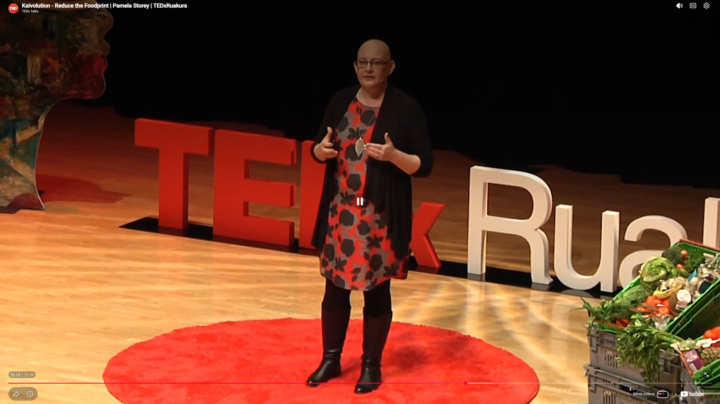
Pamela Storey told me this within minutes of our first session. She was the chair of Kaivolution, a food rescue nonprofit, and her board had volunteered her for TEDxRuakura. No real public speaking experience. And she was certain memorisation was beyond her. I smiled. I'd heard this before. From almost every speaker I'd ever coached. 𝗘𝘃𝗲𝗿𝘆𝗼𝗻𝗲 𝘀𝗮𝘆𝘀 𝘁𝗵𝗲𝘆 𝗰𝗮𝗻'𝘁 𝗺𝗲𝗺𝗼𝗿𝗶𝘀𝗲. 𝗨𝗻𝘁𝗶𝗹 𝘁𝗵𝗲𝘆 𝘁𝗿𝘆 𝘁𝗵𝗲 𝗿𝗶𝗴𝗵𝘁 𝗽𝗿𝗼𝗰𝗲𝘀𝘀. Pamela put her trust in me and did the work. She was diligent, driven, I think, by the fear of failing on stage. She recorded herself. She drilled chunks. She built rhythm into her words until they became second nature. On the day, her microphone malfunctioned. We had to restart her talk. She delivered it flawlessly. But the real payoff came later. Pamela used to dread networking events. She'd spend hours explaining what food rescue was, one person at a time, over and over. Exhausting. After her TEDx talk, she changed the game. She'd ask event organisers for 5, 10, or 15 minutes. Then she'd deliver her talk—or a portion of it—to the whole room. No more endless explaining. People came to 𝘩𝘦𝘳 with ideas of how they could help Kaivolution. The talk she "couldn't memorise" became her most powerful fundraising tool. If you've told yourself you can't memorise a talk, you might just be using the wrong approach. It's not about reading words off the screen of your mind. It's about building rhythm, drilling chunks, and letting the words become part of you. What's something you were convinced you couldn't do—until you found the right process? 😉
1 like • 15d
Congratulations to both of you!
16d •
Disestablished
Okay, this is a bit of a personal post. I just came out of a meeting at my day job with Epic Learning, and my role has been disestablished, along with the majority of the rest of the team. 🙁 -Or to be more accurate we are in the 'consultation period'. While it is not a huge surprise, work has been sparse all year, it is still a punch in the gut, and the team is pretty gutted. We all worked really well together. It was one of those teams that if we were all in the same place we would 100% meet up and spend the afternoon together (we are a remote company spread around New Zealand). I had only just signed a new contract with them at the end of last year with more responsibility and a pay rise... A big part of the problem is the low demand for educational services this year due to AI. We were an early adopter of AI and were using it at the cutting edge in our industry for the past couple of years. But now people feel that they can get what they need from AI directly, I guess.🤔 Anyway, I felt I should let you know in the community what is going on. It should not change anything with this community. I am still committed to growing this community, and helping people with their talks, presentations and pitches (which is different from what I was doing at Epic Learning as an instructional designer). I recognise I am only one person being affected by the current economy, and there are many others worse off, so I am not hunting sympathy, just keeping it real. 😉

1 like • 16d
Chris, best of success in whatever is next.
1 like • 16d
@Chris Hanlon As you should be. You are very talented.
1-10 of 54
@karen-saxe-1725
Founder and Communications Mentor at Act Like A Great Communicator. Author of "When The Heck Did That Happen?" Motivational Speaker who changes lives.
Active 1h ago
Joined Oct 16, 2025
York PA USA
Powered by