Activity
Mon
Wed
Fri
Sun
Aug
Sep
Oct
Nov
Dec
Jan
Feb
Mar
Apr
May
Jun
What is this?
Less
More
Owned by Karder
RV diagnostics & repair: Fast, accurate troubleshooting and professional fixes to keep your coach running safe, smooth, and road-ready.
Simple side hustles for regular working people. Learn practical skills, customer scripts, and steps to make extra money after work.
Memberships
M
MikeCaymanTrades
229 members • Free
7 contributions to RV Diagnostics and Repair

Jan 13 •
Thank you!
Thanks to everyone who’s joined so far — I truly appreciate the support! This is a new venture for me, so things may be a bit quiet at times while shop hours start to pick back up. That said, if you have any questions about your RV, don’t hesitate to reach out. I’m always happy to help. Thanks again for the follow — it means a lot!

Jan 5 •
Thank you.
Thank you to everyone who has joined. This is a work in progress. However if you have any questions or suggestions please feel free to ask or let me know! Thanks again!! Karder.
0
0
Dec '25 •
START HERE – Welcome to RV Diagnostics & Repair
Welcome to the community. If you’re here, it means you want to understand your RV better, fix problems faster, and learn the same real-world skills RV techs use every day. You’re in the right place. My goal is simple: teach you what actually works, cut out the confusion, and help you build real confidence around your RV. Whether you’re brand new or you’ve been RV’ing for years, you’re going to learn a lot here. ✔️ 1. What You Should Do First Start by taking the 4 free courses in the Classroom. These will give you the foundation every RV owner needs: Course 1 – Batteries Course 2 – What Runs on 12 Volt Course 3 – RV Preventative Maintenance Course 4 – Quick Fix & Troubleshooting These courses were built to take you from “I don’t know where to start” to “I can handle this.” ✔️ 2. How This Community Works Ask questions. Post pictures. Share what you’re working on. The more you participate, the more you’ll learn. I’m here to help you understand the WHY behind RV problems, not just the quick fix. If you want to level up fast, stay active here. ✔️ 3. What You Get Here Clear explanations. Real troubleshooting steps. Technician logic. No fluff. No guessing. Just straight answers from someone who does this every day. You’ll learn how systems work, how to avoid major failures, and how to diagnose problems the smart way. ✔️ 4. When You Need More Help If you finish the free courses and want to go deeper into: - Real repair training - Advanced diagnostics - Slide system issues - HVAC troubleshooting - Electrical logic - Hands-on repair strategies …you’ll find advanced training inside the premium section. If you’re stuck on something — ask. Post it. I’m here to help you get unstuck. ✔️ 5. Before You Start Any Diagnostics Take pictures. Slow down. Don’t guess. Don’t force anything. Follow the steps. Troubleshooting is a skill, and you’ll get better at it the more you learn and practice. ✔️ 6. Let’s Get Started Welcome to the next level of RV confidence.
0 likes • Jan 2
@Cindy Buelow there are many diff ways to try and fix oxidation or make it look better. What have you tried so far?
Dec '25 •
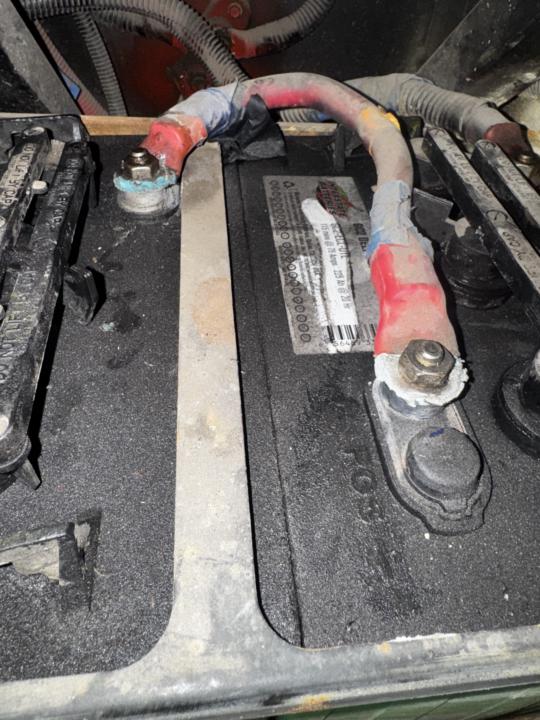
Lead acid to AGM swap.
🔋 Lead-Acid to AGM Swap – What This Looks Like in the Real World Here’s a perfect example of the kind of battery work RV owners eventually run into. In this case, I swapped out a set of worn, leaking lead-acid batteries and replaced them with fresh AGMs. Nothing fancy — just solid technician steps, safety, and good habits. Below are the general steps I followed, and these are the same habits I want YOU to start building. ✔️ 1. Take Pictures Before Touching Anything This is the very first thing you should do on any battery job. - Take pictures of every cable. - Take pictures from multiple angles. - Get close-up shots of each terminal. Why? Because batteries must be hooked back up EXACTLY the way they came off. If you miss one jumper or reverse one cable, you can blow fuses, fry inverters, damage the chassis electronics, or worse. Pictures are your insurance. ✔️ 2. Disconnect Power Safely Before removing batteries: - Turn OFF the battery disconnects. - Make sure the inverter/charger is off. - Unplug shore power. - Turn the generator off. Then disconnect in this order: Negative (–) first → then Positive (+). Reconnecting is the opposite: Positive first → then Negative. This reduces the chance of accidental arcing. ✔️ 3. Remove the Old Lead-Acid Batteries As you saw in the photos, the old bank was: - Leaking - Corroded - Off-gassing - Eating into the metal tray and nearby surfaces Lead-acid batteries do this over time — especially in RVs that see a lot of heat or sit too long without proper charging. I removed each battery carefully and kept all jumpers laid out in the exact order they came off. ✔️ 4. Clean and Neutralize the Tray Anytime there’s corrosion or battery acid damage, you want to clean it up before installing new batteries. I did a light touch-up here: - Vacuumed loose debris - Neutralized acid residue with baking-soda solution - Cleaned battery cables and lugs - Wire-brushed any corrosion - Dried everything before reinstalling
2
0
Dec '25 •
Disclaimer
⚠️ LEGAL DISCLAIMER — READ BEFORE PARTICIPATING By joining and participating in this Skool community, you acknowledge and agree to the following: All information provided in this community—including all courses, lessons, videos, posts, comments, replies, private messages, livestreams, Q&A sessions, recommendations, and any other communication—is for educational and informational purposes only. You understand and accept that: - RV repair, electrical work, diagnostics, and mechanical tasks involve risk. - You are fully responsible for any actions you take on your RV. - You assume all risks of injury, damage, or loss resulting from your repairs, modifications, or decisions. - The creator, instructors, moderators, and community members are not liable for any damage, injuries, mistakes, errors, or warranty issues that may occur. - Nothing in this community constitutes professional, certified, or licensed RV service, nor does it replace manufacturer instructions or safety guidelines. - Following any advice, tips, or information shared here is 100% at your own risk. - Always follow all manufacturer procedures, safety protocols, and consult a certified RV technician when necessary. By using this community, you acknowledge that you have read, understood, and agreed to this disclaimer.
1-7 of 7

Active 25d ago
Joined Nov 30, 2025
Florida