Activity
Mon
Wed
Fri
Sun
Nov
Dec
Jan
Feb
Mar
Apr
May
Jun
Jul
Aug
Sep
What is this?
Less
More
LibertyForgeUSA
15
Free
6 contributions to LibertyForgeUSA

May 4 •
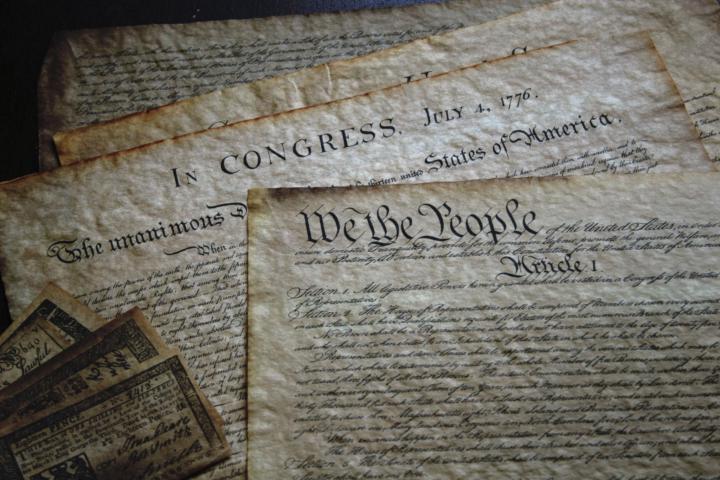
🇺🇸 The Declaration of Independence: The Foundation of American Freedom
Few documents in history carry as much weight and meaning as the Declaration of Independence. Signed in 1776, it marked the moment when the American colonies made the bold decision to break away from British rule and form a new nation 🇺🇸 But the Declaration is more than just a historical document—it represents the core values and principles that continue to shape the United States today. 🏛️ A Bold Stand for Freedom Before the Declaration, the American colonies were under the control of Great Britain. Over time, tensions grew as colonists became frustrated with heavy taxes, lack of representation, and limited control over their own affairs. Leaders in the colonies believed it was time to take a stand. The Declaration of Independence was their official statement to the world that they were no longer under British authority and intended to govern themselves. ✍️ The Message Behind the Document The Declaration was primarily written by Thomas Jefferson, along with input from other leaders like John Adams and Benjamin Franklin. Its message was powerful and clear: 👉 All people are created equal 👉 Individuals have basic rights that cannot be taken away 👉 Governments exist to protect those rights 👉 If a government fails, people have the right to change it These ideas were revolutionary at the time—and still influence democratic thinking today. ⚖️ The Core Principles At the heart of the Declaration are key principles that define American values: 💡 Equality The belief that all individuals are born with equal worth and rights. 🗽 Rights The idea that people have natural rights, including life, liberty, and the pursuit of happiness. 🏛️ Self-Government The belief that power should come from the people, not a distant authority. 🔄 Accountability The idea that governments must serve the people—and can be changed if they don’t. ⚔️ A Risky Decision Signing the Declaration was not just symbolic—it was dangerous. Those who signed it were essentially committing treason against Britain. If the revolution failed, they could face severe punishment.

0 likes • Aug 18
Beautiful written document
May 4 •
Why Did You Join Liberty Forge USA?
Every person here has a reason for joining this group. Whether it’s connection, growth, values, or just finding like-minded people—you’re here for a reason. 👇 Tell us what brought you here + what you’re hoping to get from this community 🔥
0 likes • Aug 18
Sense of comradery and friendship
Apr 23 •
Alright let’s start something fun 👇
Alright let’s start something fun 👇 Pineapple on pizza… 🍍 YES or NO? No explanations needed… just pick a side.
0 likes • Aug 18
Yess...
Apr 23 •
Comment Your State 🇺🇸
🌍🔥Lets light up the map! Where's everyone tuning in from? Drop your state below and lets see who's rocking it from coast to coast 👇

0 likes • Aug 18
@Amanda Tafflock Raymond,Wa here
Apr 20 •
WELCOME TO LIBERTY FORGE
Wow! I want to take a moment to thank each and every one of you who has already joined Liberty Forge. Together, the goal is simple... Build a community of strong, proud individuals who believe in freedom, craftsmanship, and standing for something real This isn’t just about bracelets. This is about what they represent. We’re here to bring together people who: - Take pride in where they come from - Value strength, discipline, and purpose - Want to wear something that actually means something - Think of this group as more than just a page… 👉 It’s a place where we stand together, support each other, and keep that energy alive.
0 likes • Aug 18
Thank you so much, I can't wait for mine to come in; should be anytime. Everything said here is right on the money about why I bought one. I want to get my brother one here very soon as well. I am going to show him mine when it comes in the mail and he can have one as well. He and I are very patriotic and proud of our nation.
1-6 of 6

Active 31d ago
Joined Aug 17, 2026
Washington