Activity
Mon
Wed
Fri
Sun
Aug
Sep
Oct
Nov
Dec
Jan
Feb
Mar
Apr
May
Jun
Jul
What is this?
Less
More
Memberships
The Sighthound Club
42 members • Free
21 contributions to The Sighthound Club
Feb 10 •
Sighthounds were bred seperately with different genes. Yet all look alike. How?
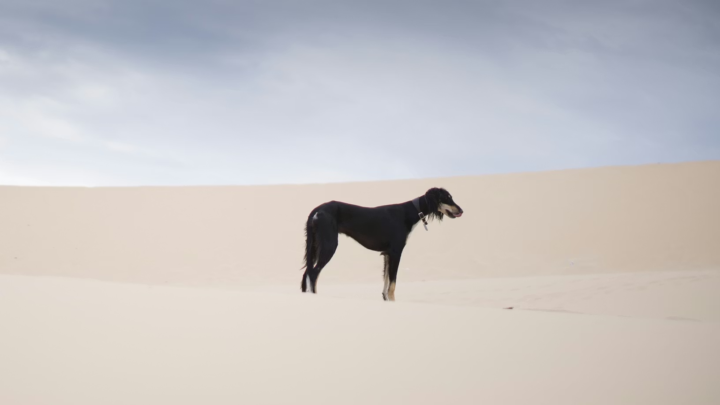
Sighthounds are dogs built for one main purpose: hunting fast prey using sight and speed. Breeds like the Greyhound, Saluki, Borzoi, Afghan Hound, and others may look very similar at first glance—but modern genetic research shows they did not all come from the same place. This article (Source at the end) explains what scientists discovered about where sighthounds came from, how they evolved, and why they look so alike despite having different genetic backgrounds. Why Sighthounds Are Special? Most modern dog breeds were standardized in the 19th century, but many sighthounds are much older. Some existed long before kennel clubs or written breed standards. Because historical records are limited, scientists use genomics to uncover their origins. Researchers analyzed the genomes of: - 123 sighthounds from Africa, Europe, Russia, Central Asia, the Middle East, and China - Village dogs from the Middle East - Modern wolves and ancient wolves The results showed that sighthounds do not share a single origin. - Sighthounds were bred independently in different regions - Major lineages formed in Africa, Europe, and the Middle East/Central Asia - These groups cluster genetically with local village dogs, not with each other Means people in different parts of the world created similar dogs on their own, driven by the same hunting needs. So Why Do They All Look the Same? Even though they come from different genetic backgrounds, sighthounds share key traits: - Deep chest - Long, slim limbs - Lean body - Sharp eyesight This is explained by convergent selection: - Different genes were selected in different regions; those genes affected the same biological systems, such as: - Heart and blood circulation - Muscle performance - Limb development This study supports ; Humans in different regions repeatedly bred dogs for the same purpose—and evolution found similar solutions each time. Sighthounds are not the result of one origin, but of many cultures selecting for speed, vision, and hunting ability.
1 like • Feb 10
Really fascinating.
Jan 30 •
Why Sitting Is Mechanically Challenging for Sighthounds
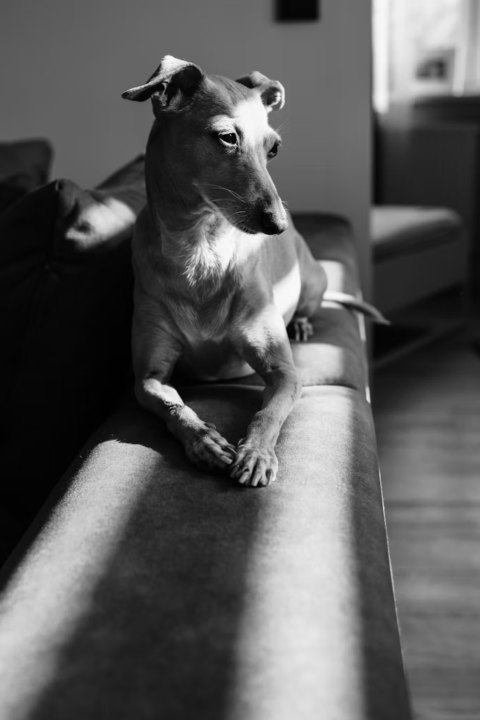
I made a long research about why sighthounds look uncomfortable while sitting...Here's what I found. Sighthounds are often observed sitting in ways that look awkward to us — legs splayed out, “hover-butt” postures, or quick shifts from sit to lie. While this can catch the eye of owners, biomechanical research suggests this is entirely normal for healthy Greyhounds and reflects their highly specialized anatomy. 1. Anatomical Specialization for Speed Greyhounds are extreme athletes, bred for sprinting and high-speed locomotion. Their skeletal and muscular structures reflect this specialization: - Long, slender limbs maximize stride length and speed. - A narrow pelvis and highly flexible spine allow extreme spinal extension during gallop. - Long distal tendons with short muscle fibers in the hindlimbs favor elastic energy storage and rapid limb propulsion. These traits are excellent for sprinting, but they create mechanical disadvantages for postures that require deep joint flexion, such as a textbook sit. The alignment of the pelvis and hindlimbs, optimized for forward propulsion, makes deep hip flexion and compact sitting less efficient. 2. Sit-to-Stand (StS) Biomechanics Although no study directly quantifies static sitting comfort in Sighthounds the Sit-to-Stand (StS) movement provides important insight into why sitting and rising can be demanding. In a detailed biomechanical study (Ellis et al., 2018), researchers measured: - Joint kinematics and limb forces - Muscle fiber forces, activations, and length changesduring the transition from a crouched sit to standing. Key findings: - Hindlimb joints move through near-maximal ranges of motion. - Anti-gravity muscles begin in highly stretched positions and undergo length changes of ≈50%. - Muscle leverage in the crouched position is suboptimal, requiring heavy reliance on passive structures such as tendons and ligaments. These results show that even a healthy Greyhound must recruit large amounts of muscular and passive support to rise from a sit. The biomechanics of standing up are therefore inherently demanding for a breed shaped for speed rather than static postures.
2 likes • Jan 30
Thanks, Meric. Really interesting information.
Jan 12 •
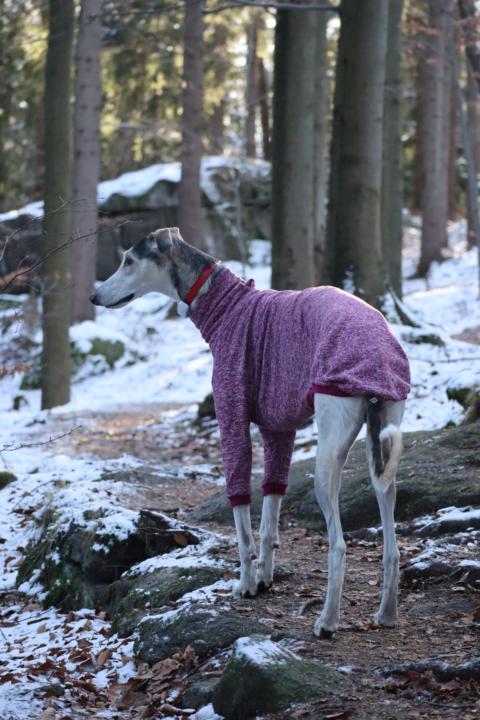
What breed is your sighthound, and how well do they tolerate the cold?
Do you make them wear clothes? Mine starts to feel cold when the temperature drops below 0 °C.
1 like • Jan 12
My senior Greyhound wears a coat at around 40 F. -- especially when it's windy here in Montana. The Borzoi is hardier and loves to plop down in the snow. She doesn't seem to mind the cold.
1 like • Jan 5
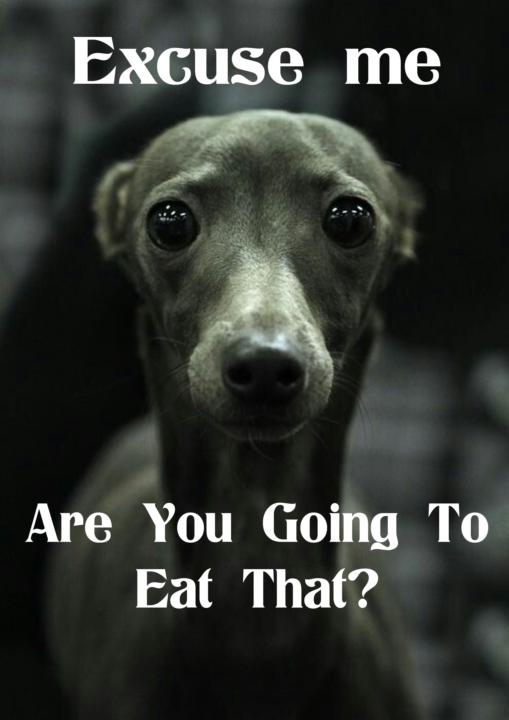
Yes, I’ll be eating it! And I may even share some with you!
0 likes • Dec '25
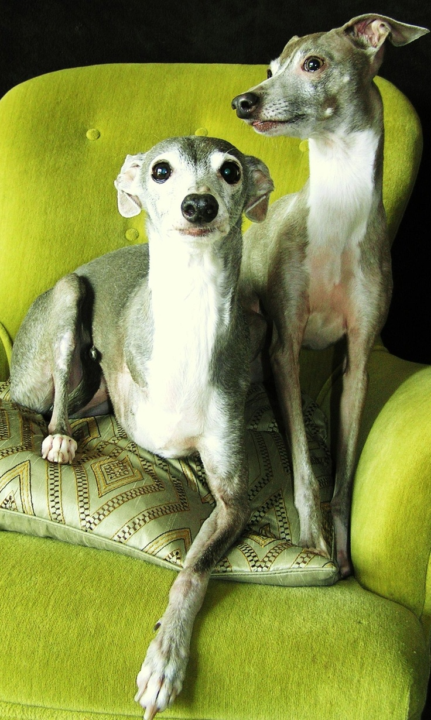
Good morning, sweet one.
1-10 of 21
@jean-iaderosa-3600
Been adopting retired racing Greyhounds since 1994. And now we have a Borzoi in addition to our Greyhound. 😊
Active 17d ago
Joined Sep 26, 2025