Activity
Mon
Wed
Fri
Sun
Sep
Oct
Nov
Dec
Jan
Feb
Mar
Apr
May
Jun
Jul
Aug
What is this?
Less
More
Entrepreneur Experience Hub
140 members • Free
MSP Contract Kit
210 members • Free
8 contributions to Entrepreneur Experience Hub

17d •
Hackers Know Exactly How Much Money You Have (Here's How to Stop Them)
Hackers don't guess how much money to demand. They sit inside your system, watch your account, and wait until they know exactly what you have. On this episode of the Entrepreneur Experience Podcast, @Jason Mance (Omega Tecks) breaks down how ransomware actually works, why paying a hacker is now a federal crime, and the one password habit most business owners are still getting wrong. Check it out now!

2 likes • 17d
@Jared Taylor @Joe Quero I had a great time and I'm looking forward to our next podcast!
0 likes • 17d
@Azaria Pishny You're welcome!

21d •
Alright EE community. It's Friday!
As we wrap up the week, take a few minutes to reflect. What were your biggest wins this week? And just as importantly... What opportunities do you see to improve your activity next week so you can hit your performance goals? Growth doesn't happen by accident. It comes from consistently evaluating what's working, identifying the gaps, and making intentional adjustments. Let's hear it! Share one win and one area you'll focus on improving next week.
3 likes • 21d
WINS: Signed a new client to a 12-month agreement, Full Managed IT Services. Also sold some new hardware to an existing client.
21d •
How's Your Week Been?
As we get close to ending the week, what's one thing you've done to move the needle and grow revenue in your business?
27d •
What's the #1 bottleneck in your business right now?
if AI could reliably take one of these off your plate tomorrow, which one are you handing over? Then in the comments: what's actually stopping you from testing it on that one today? Usually, it's not the technology. "I don't trust it yet" is a legitimate vote, not a cop-out. I want to know how many of us are there.
Poll
3 members have voted
2 likes • 26d
@John Mueller I know the feeling…. lol….
Jun 19 •
Everything's Free Until We Hit 150 Members
I want to be real about where this Skool community is headed — because being here early actually means something, and I don't want you to miss it. The short version: The Entrepreneur Experience Hub is growing. Once we hit 150 members, we move to a paid membership model. -- My promise to you Everyone who joins before we hit 150 keeps Standard membership complimentary — for good. No catch. It's my personal thank-you for being an early adopter and helping lay the foundation of this thing. And this isn't an automated promise. I'm personally going through all 150 early members myself to make sure every one of you is taken care of. -- One heads-up about billing When we make the switch, you may get an email asking you to add a card to stay a member. You don't need to. If you were here before 150, your spot is already covered. The only reason to add a card is if you want to show your support — and if you do, I see you and I appreciate you. But it is never required. -- Here's my ask You get out of this what you put in. The magic here only happens if we all show up. So engage — share, comment, celebrate, ask, give. The more each of us puts in, the more it attracts other incredible people like you, and the more connections we build across the world that none of us could've made on our own. -- This is YOUR community Use it to be the thought leader and contributor you already are. Build your authority brand right here. Celebrate your wins out loud — it's okay to brag (humbly) in this group. That's what it's for. -- Got a course idea? If you've got something great you want to turn into a course, let's talk. If it genuinely serves the group, we can work out a deal so you earn from it too. -- Where this came from This community was born from the podcast — The Entrepreneur Experience. Until now, the flow went one direction: we pushed podcast listeners here. Going forward, we're flipping it. We want to pull you onto the show. -- -- That happens a few ways: The VIP Guest Experience — our full done-for-you guest spot — will be built into a package for members ready to step into the spotlight and walk away with content that positions them as the authority in their space (remote guests welcomed if you absolutely cannot make it to KC).
3 likes • Jun 19
Let's GO!
1-8 of 8
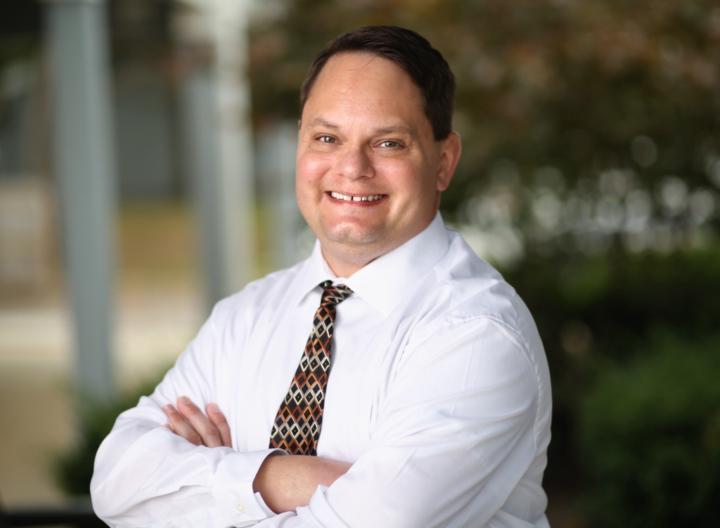
@jason-mance-6686
Cybersecurity shouldn't keep you up at night—that's my job. Founder/CEO of Omega Tecks, delivering reliable, affordable AI, IT & cybersecurity.
Active 3d ago
Joined Feb 19, 2026
Olathe, KS
Powered by