Activity
Mon
Wed
Fri
Sun
Sep
Oct
Nov
Dec
Jan
Feb
Mar
Apr
May
Jun
Jul
Aug
What is this?
Less
More
The Buffalo Herbalist Academy
82 members • Free
Exploring Peptides Community
21.7k members • Free
Jamie's Peptide Education
266 members • Free
Holistically, Realistically!
147 members • Free
The Potted Garden Society
3.3k members • Free
Living Soil Community
1.3k members • Free
Mohr Natural
396 members • $10/month
High Vibe Tribe
82.5k members • Free
Shrink Rap
1.1k members • Free
9 contributions to The Potted Garden Society

Jul 17 •
🐛 July Garden Pest Series – Day 4 Meet the Tomato Hornworm: The Giant Caterpillar That Can Strip a Tomato Plant Overnight
One evening your tomato plant is lush, green, and loaded with fruit. The next morning? Large sections of leaves have disappeared, stems are bare, and you can't figure out what happened. The culprit may still be there... Blending in almost perfectly with the leaves is one of the largest—and hungriest—garden pests you'll ever encounter: the Tomato Hornworm. The good news? Once you know what to look for, they're surprisingly easy to find. 𝐖𝐡𝐚𝐭 𝐈𝐬 𝐚 𝐓𝐨𝐦𝐚𝐭𝐨 𝐇𝐨𝐫𝐧𝐰𝐨𝐫𝐦? Tomato hornworms are the larval stage of a large moth called the sphinx or hawk moth. These bright green caterpillars can grow up to 4 inches long, making them one of the biggest caterpillars found in vegetable gardens. Despite their size, their green color provides incredible camouflage. The black "horn" on their tail may look intimidating, but it's harmless to people and pets. 𝐖𝐡𝐚𝐭 𝐃𝐨 𝐓𝐡𝐞𝐲 𝐋𝐢𝐤𝐞 𝐭𝐨 𝐄𝐚𝐭? Hornworms are especially fond of plants in the nightshade family, including: 🍅 Tomatoes 🌶️ Peppers 🍆 Eggplants 🥔 Potatoes While tomatoes are their favorite meal, they'll happily munch on several related plants if given the chance. 𝐇𝐨𝐰 𝐭𝐨 𝐒𝐩𝐨𝐭 𝐓𝐡𝐞𝐦 Look for: ✔ Large sections of missing leaves ✔ Bare stems with little foliage ✔ Dark green or black droppings (frass) on leaves or around the base of the plant ✔ Large green caterpillars blending into stems ✔ Chewed green tomatoes If you see piles of droppings but can't find the caterpillar, look directly above them—they're often hiding in plain sight. 𝐖𝐡𝐲 𝐓𝐡𝐞𝐲'𝐫𝐞 𝐚 𝐏𝐫𝐨𝐛𝐥𝐞𝐦 One hornworm can eat an astonishing amount of foliage in just a few days. Several hornworms feeding together can: • Strip large branches • Slow fruit production • Damage developing tomatoes • Stress otherwise healthy plants Young tomato plants are especially vulnerable. 𝐇𝐨𝐰 𝐭𝐨 𝐆𝐞𝐭 𝐑𝐢𝐝 𝐨𝐟 𝐓𝐡𝐞𝐦 Fortunately, hornworms are one of the easier pests to control. ✔ Hand-pick caterpillars and remove them from your plants. ✔ Drop them into a bucket of soapy water. ✔ Inspect plants every evening or early morning when they're easier to spot.

4 likes • Jul 18
I just got rid of one I found after spying the droppings. I am now looking for the droppings and eaten leaves daily as I am sure there will be more!
4 likes • Jul 18
@Manitu Okahas I think the most I have had was about 8. I haven't seen any signs of more but will be checking daily
Jun 21 •
Squash Bugs
It's that time of year when we see insects move in on our plants. We had a great question come in on squash bugs this week. Here's some tips to help you deal with them before they destroy the fruits of your labor. Squash bugs are one of the few pests that can make even experienced gardeners want to throw in the trowel! 😅 The good news is that container gardeners actually have a few advantages over in-ground gardeners when it comes to controlling them. 🪴 Use your containers to your advantageBecause your plants are elevated and easier to access, make it a habit to inspect the undersides of leaves every few days. Squash bug eggs are usually bronze-colored and laid in clusters. Catching them before they hatch is the easiest way to stay ahead of the problem. 👀 Do a quick "leaf check" while wateringMost of us already check our containers daily for moisture. While you're there, flip over a few leaves. It only takes a minute and can save an entire zucchini plant. 🧼 Hand-pick bugs into soapy waterContainers make this much easier since you're not crawling through a large garden bed. Early morning is the best time when the bugs are moving slowly. 🍂 Remove heavily infested leavesIf one leaf is covered in eggs or young nymphs, don't be afraid to prune it off and toss it in the trash. Sometimes removing one leaf can prevent dozens of future squash bugs. 🌿 Keep containers spaced apartSquash bugs love it when leaves from multiple plants overlap and create a jungle of hiding spots. A little extra airflow between containers can make it easier to spot problems early. 🪵 Check around your containersEven if you're growing in pots, squash bugs often hide under nearby pots, plant stands, potting mats, mulch, boards, or garden decorations during the day. 🎃 Pumpkins and zucchini are favoritesUnfortunately, once they find your zucchini, they often move right on to pumpkins, squash, and gourds. If you grow multiple squash-family plants, inspect all of them—not just the ones showing damage.
4 likes • Jun 21
I had them last year on my butternut squash plants! I was out every morning looking under each leaf and picking the eggs off, putting them in soapy water. I have a neem spray this year that I can use on my zucchini as I opted to not do butternut again.
Feb 9 •
🌱 Does This Plant Need New Soil… or Just a Little Patience?
After refreshing tired winter soil, a lot of gardeners ask the same question: “𝐎𝐤𝐚𝐲… 𝐛𝐮𝐭 𝐡𝐨𝐰 𝐝𝐨 𝐈 𝐤𝐧𝐨𝐰 𝐢𝐟 𝐭𝐡𝐚𝐭’𝐬 𝐞𝐧𝐨𝐮𝐠𝐡?” The answer lives below the soil and in how your plant responds over time. 🌿 𝐖𝐡𝐞𝐧 𝐚 𝐒𝐨𝐢𝐥 𝐑𝐞𝐟𝐫𝐞𝐬𝐡 𝐈𝐬 𝐄𝐧𝐨𝐮𝐠𝐡 Top dressing is usually all you need if: * Your plant looks stable, just slow * Leaves are holding color * Soil now drains evenly * Growth resumes gradually as light increases This tells you roots are comfortable and they just needed support. 🪴 𝐖𝐡𝐞𝐧 𝐈𝐭’𝐬 𝐓𝐢𝐦𝐞 𝐭𝐨 𝐓𝐡𝐢𝐧𝐤 𝐀𝐛𝐨𝐮𝐭 𝐑𝐞𝐩𝐨𝐭𝐭𝐢𝐧𝐠 Repotting becomes the better choice when: * Soil dries out extremely fast * Roots are visibly circling or escaping * Growth doesn’t improve after weeks of better light * The plant feels cramped or top-heavy These are root-driven signals, not calendar-based ones. ⏳ 𝐖𝐡𝐲 𝐖𝐚𝐢𝐭𝐢𝐧𝐠 𝐚 𝐋𝐢𝐭𝐭𝐥𝐞 𝐋𝐨𝐧𝐠𝐞𝐫 𝐇𝐞𝐥𝐩𝐬 Late winter and early spring are a transition zone. By: * Improving light * Adjusting watering * Refreshing soil gently You give roots time to wake up before asking them to expand. That makes repotting smoother and less stressful later. 🌼 𝐅𝐢𝐧𝐚𝐥 𝐓𝐡𝐨𝐮𝐠𝐡𝐭: 𝐏𝐥𝐚𝐧𝐭𝐬 𝐃𝐨𝐧’𝐭 𝐑𝐮𝐬𝐡, 𝐖𝐞 𝐃𝐨𝐧’𝐭 𝐍𝐞𝐞𝐝 𝐓𝐨 𝐄𝐢𝐭𝐡𝐞𝐫 Healthy growth isn’t about doing more. It’s about doing the right thing at the right time. If you’re paying attention, your plants will tell you what they need 🌱💚 After refreshing soil or reading this post, are you waiting… or planning a repot soon? Tell us which plant you’re watching 👀🪴
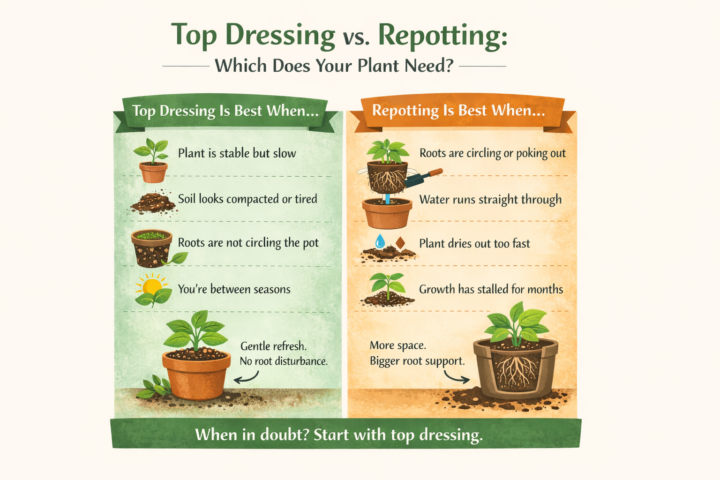
2 likes • Feb 9
I always seem to have trouble with soil and it always gets hard on top quickly even when I add perlite. I need to find a good quality soil for my houseplants
1 like • Feb 14
@Larry Baracco oh great idea. I will have to find some and try it

Feb 7 •
Plant app
Does anyone use a plant app and if so which one? I used plant parent this year and was not really happy with it. I like the set up but the advice they give you was not always right.
2 likes • Feb 9
I use picture this but just for the basic watering schedule with the free version
Feb 4 •
🌿 Why Your Indoor Herbs Are Leggy (And How to Fix Them Fast)
If your indoor herbs look tall, skinny, floppy, or like they’re reaching for something they can’t quite grab… You’re not doing anything wrong. They’re just hungry for light. Leggy herbs are one of the clearest signals plants send—and thankfully, one of the easiest problems to fix. 🌱 𝐖𝐡𝐚𝐭 “𝐋𝐞𝐠𝐠𝐲” 𝐑𝐞𝐚𝐥𝐥𝐲 𝐌𝐞𝐚𝐧𝐬 Leggy herbs have: * Long, stretched stems * Wide spacing between leaves * Smaller or paler foliage * A leaning or flopping habit This happens when plants grow toward light that’s too weak or too far away. In winter, even sunny windows often aren’t enough. 🌿 𝐓𝐡𝐞 𝐑𝐞𝐚𝐥 𝐑𝐞𝐚𝐬𝐨𝐧𝐬 𝐈𝐧𝐝𝐨𝐨𝐫 𝐇𝐞𝐫𝐛𝐬 𝐆𝐞𝐭 𝐋𝐞𝐠𝐠𝐲 Here’s what’s usually going on behind the scenes: 𝟏. 𝐍𝐨𝐭 𝐄𝐧𝐨𝐮𝐠𝐡 𝐋𝐢𝐠𝐡𝐭 (𝐓𝐡𝐞 #𝟏 𝐂𝐚𝐮𝐬𝐞) Winter sun is lower, weaker, and shorter. Herbs need bright light to stay compact. 𝟐. 𝐋𝐢𝐠𝐡𝐭 𝐈𝐬 𝐓𝐨𝐨 𝐅𝐚𝐫 𝐀𝐰𝐚𝐲 A window across the room ≠ usable light. Herbs need light close, not just visible. 𝟑. 𝐈𝐧𝐟𝐫𝐞𝐪𝐮𝐞𝐧𝐭 𝐇𝐚𝐫𝐯𝐞𝐬𝐭𝐢𝐧𝐠g When herbs aren’t trimmed, they stretch upward instead of filling out. 𝟒. 𝐖𝐚𝐫𝐦 𝐈𝐧𝐝𝐨𝐨𝐫 𝐓𝐞𝐦𝐩𝐬 Warm rooms + low light = fast, weak growth. ✂️ 𝐇𝐨𝐰 𝐭𝐨 𝐅𝐢𝐱 𝐋𝐞𝐠𝐠𝐲 𝐇𝐞𝐫𝐛𝐬 𝐅𝐚𝐬𝐭 You don’t need to start over. Try this simple rescue plan: 𝟏. 𝐌𝐨𝐯𝐞 𝐓𝐡𝐞𝐦 𝐂𝐥𝐨𝐬𝐞𝐫 𝐭𝐨 𝐋𝐢𝐠𝐡𝐭 * South- or west-facing windows work best * Rotate pots every few days 𝟐. 𝐀𝐝𝐝 𝐚 𝐆𝐫𝐨𝐰 𝐋𝐢𝐠𝐡𝐭 (𝐄𝐯𝐞𝐧 𝐓𝐞𝐦𝐩𝐨𝐫𝐚𝐫𝐢𝐥𝐲) * Place lights 6–12 inches above herbs * 10–14 hours per day is ideal * Even a small clip-on light can help 𝟑. 𝐏𝐫𝐮𝐧𝐞 𝐖𝐢𝐭𝐡 𝐏𝐮𝐫𝐩𝐨𝐬𝐞 * Cut stems back to just above a leaf node * Don’t be afraid as this encourages bushier growth * Use what you trim (hello, dinner!) 𝟒. 𝐄𝐚𝐬𝐞 𝐔𝐩 𝐨𝐧 𝐖𝐚𝐭𝐞𝐫𝐢𝐧𝐠 Leggy herbs often get overwatered. Let the soil dry slightly between waterings. 🌿 𝐇𝐞𝐫𝐛𝐬 𝐌𝐨𝐬𝐭 𝐋𝐢𝐤𝐞𝐥𝐲 𝐭𝐨 𝐆𝐞𝐭 𝐋𝐞𝐠𝐠𝐲 𝐈𝐧𝐝𝐨𝐨𝐫𝐬 These are the usual suspects in winter: * Basil * Cilantro * Dill * Parsley * Chives They’re not failing. They’re just asking for better light support. 🚫 𝐖𝐡𝐚𝐭 𝐍𝐨𝐭 𝐭𝐨 𝐃𝐨 * Don’t fertilize to “fix” legginess * Don’t keep moving plants daily * Don’t ignore trimming out of fear Legginess is a 𝐥𝐢𝐠𝐡𝐭 𝐢𝐬𝐬𝐮𝐞, not a nutrient issue.
3 likes • Feb 4
A fan also helps the stems get stronger and less leggy
1-9 of 9

@jamie-smith-3717
Wife & Mom. I love to garden, forage in my yard, bake, read, drink tea and bird watching. Living my life as healthy and holistically as I can
Active 12h ago
Joined Jan 30, 2026
Powered by