Activity
Mon
Wed
Fri
Sun
Aug
Sep
Oct
Nov
Dec
Jan
Feb
Mar
Apr
May
Jun
Jul
What is this?
Less
More
Owned by Jim
Oasis Builders helps busy families grow healthy food, herbs for medicine, and gain calm confidence for everyday readiness.
Memberships
Faith & Flowers
16 members • Free
4 contributions to Dakoda Herbals Academy

9d •
Weekly Materia Medica Series: Therapeutic Terms A-Z
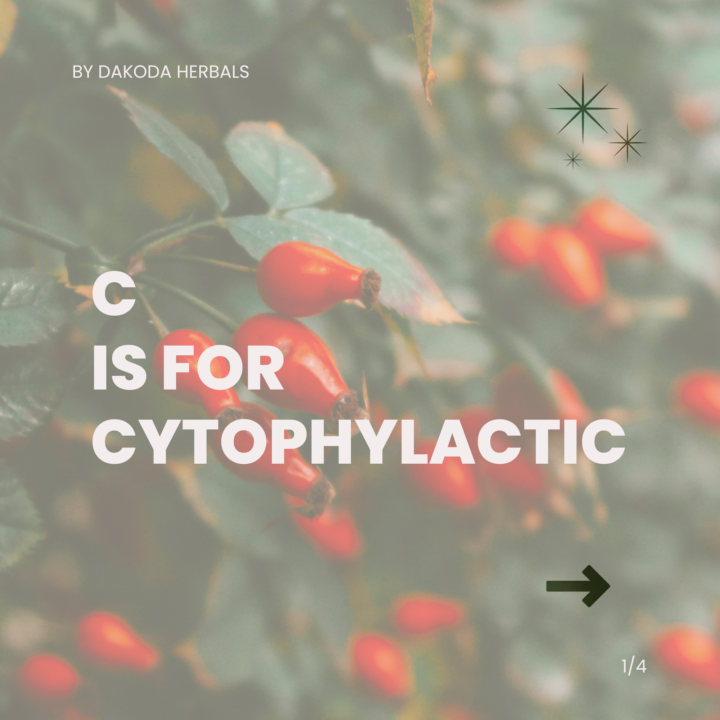
C is for Cytophylactic Welcome back to our Weekly Materia Medica: Therapeutic Terms A-Z series! One of the biggest hurdles when learning herbalism is all the unfamiliar terminology. My goal with this series is to break down these words into simple, practical concepts that you can actually remember and apply. This week's term is: Cytophylactic (sigh-toe-fill-AK-tik) The word comes from: - Cyto- = cell - -phylactic = protective So, a cytophylactic herb is traditionally described as one that helps protect cells and supports healthy tissue regeneration. Rather than magically creating new cells, these herbs are traditionally valued for supporting the body's own natural repair processes and maintaining healthy tissues. These herbs are often chosen to support: ✨ Skin health ✨ Tissue repair ✨ Healthy wound healing ✨ Connective tissue ✨ Overall cellular resilience Some classic examples include: Gotu Kola – Traditionally used to support connective tissue, collagen production, and wound healing. Rosehips – Rich in vitamin C, which plays an important role in normal collagen formation and tissue health. Lavender – Traditionally used topically to soothe irritated skin and support the healing environment of minor skin irritations. Frankincense – Traditionally prized in skincare and wound-care preparations for its soothing and skin-supportive properties. Let's discuss! Can you think of any other herbs that you would consider supportive for healthy tissue repair or skin health? Have you used any of these herbs yourself? Drop your thoughts below! 🌿👇 Stay tuned for nexts weeks term! As always, herbal traditions complement, not replace, professional medical care. Individual herbs have different safety considerations, so always research contraindications before use.
🔥
3 likes • 9d
Thank you for sharing... I focus on herbs for aging so fortunately I have used most above and several others. I take a frankincense supplement for joint health... rotate gotu kola in and out for the brain... rosehips about daily as it brings in a little sweetness and floral; others I use if you count moisturizing as skin health are oatstraw and marshmallow... first two that came to mind were calendula and plaintain... aloe vera is a classic burn healer and yarrow for tightening the skin like in bleeding... and then stinging nettle for mineral support and connective tissue. I look forward to the series.
🔥
1 like • 8d
@Tamara Flier hey Tamara
Jun 9 •
The Plant Chemistry Behind This Face Oil!
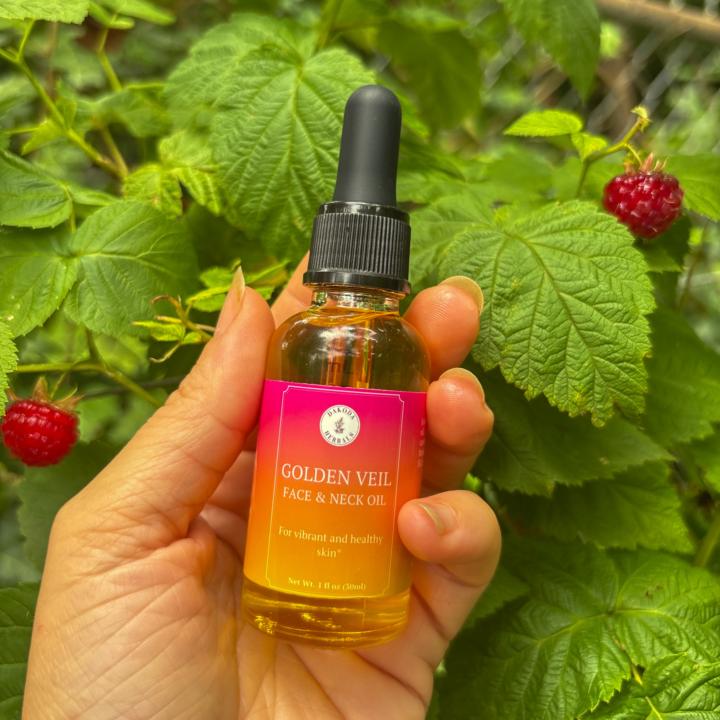
I thought it would be fun to share the formulation behind the botanical face oil I’ve been working on and explain why I chose each ingredient! I also wanted to share the face oil recipe exclusively with my Skool community if you want to make your own! I only have 2 bottles currently made, but if you don't want to make your own, feel free to grab one of the 2 bottles before they sell out! I will have pre-order set up if they do! 🤞 Lets dive in!! One of the things I love most about herbalism and botanical skincare is that every oil has its own texture, chemistry, history, and purpose within a formula. A good facial oil is not just random oils mixed together, it’s about balance, absorption, stability, skin feel, aroma, fatty acid profiles, and how the ingredients work together as a whole. Here’s the recipe I formulated for a 1 oz bottle: 2 tablespoons jojoba oil 2 teaspoons red raspberry seed oil 1 teaspoon carrot seed carrier oil 2/3 teaspoon castor oil 5-6 drops Vitamin E 10 drops frankincense essential oil 8 drops geranium essential oil Optional: 2 drops vetiver essential oil Why these oils? + Jojoba oil forms the base because it’s technically not a true oil, but a liquid wax ester that closely resembles human sebum. Because of this, it tends to feel balanced on the skin rather than overly greasy. It also has an excellent shelf life compared to many delicate botanical oils. + Red raspberry seed oil is incredibly rich in essential fatty acids and antioxidants. It helps support the skin barrier and gives the blend a silky, nourishing feel. There’s a lot of internet discussion around its potential UV properties, but it should never replace sunscreen. + Carrot seed carrier oil contributes antioxidants and carotenoids while adding warmth and richness to the formula. Historically, carrot preparations have been used in skincare for generations because of their nourishing properties. + Castor oil is fascinating because it contains a very high amount of ricinoleic acid, a unique fatty acid that gives castor oil its thick, almost glossy texture. In smaller amounts, it helps lock moisture into the skin without making the entire blend feel overly heavy.
🔥
2 likes • Jun 10
Good points... thank you for sharing...
🔥
1 like • 29d
@Alexandria Dierkes-Whitson :-)
Feb 2 •
Weekly Materia Medica Series: Therapeutic Terms (Starting with A!)
I’m so excited to officially kick this off inside our community ✨ Each week, we’ll be diving into Materia Medica through therapeutic terms, one letter at a time, starting with the A’s. This series is designed to help you: - Understand what herbal actions actually mean (not just memorize them) - Confidently read herb monographs and labels - Choose herbs with intention instead of overwhelm - Build a strong foundation that carries into formulation, blending, and safety ✨ How This Will Work Each Week Every week, we’ll focus on 1–2 therapeutic terms from the alphabet and explore them together through: - 🌱 A simple, clear definition - 🧠 What the action does in the body - 🩺 Which systems it supports - 🌿 Common herbal examples - ⚠️ Gentle safety notes or contraindications Why We’re Starting with Therapeutic Terms: You don’t need hundreds of herbs memorized. You need to understand what herbs do. Once you understand actions like alterative, analgesic, adaptogen, or astringent, everything else starts to click! Formulations make sense, herb choices feel intuitive, and confidence grows. This Week: The A’s We’ll begin with foundational “A” terms that show up everywhere in herbalism and Materia Medica.These are actions you’ll see again and again, and once you understand them, you’ll start noticing patterns across plants. ✨ Think of this as learning the language of herbalism. I encourage you to: - Ask questions - Share insights - Connect the dots to herbs you already use - Go slow. Mastery lives in repetition 💬 Comment below if you’re excited to start with the A’s or if there’s a term you’ve always wondered about!
🔥
1 like • May 13
[attachment]
Apr 22 •
Welcome to all our new members!!
I just wanted to take a moment to say how excited I am that you’re here. Truly! This space keeps getting more beautiful because of each of you joining ✨ I also want to share something honestly (and a little frustrating on my end 😅): When you request to join, I do see your answer to the membership question, but only once during the approval process. After that, it disappears on my side, which means I can’t go back and personally respond the way I would love to. And if you know me, you know I want to connect with you! So if you’re new here, I’d love for you to reintroduce yourself below: ✨ What drew you to herbalism? ✨ Are you just starting out or have you been on this path for a while? ✨ Is there anything specific you’re hoping to learn? This helps me get to know you better AND create content that actually supports you 💙 Thank you for being here, for caring about the plants, and for being part of this growing community. More goodness coming soon! — Alex
🔥
2 likes • May 13
@Alexandria Dierkes-Whitson of course it changes with the ails although mullein, turmeric, Krishna tulsi and oat straw usually the base. Hawthorn or gotu kola or dandelion or clever mix in… chamomile in the evening… gunpowder green tea in the morning… I drink about 2 qts at least 4 x a week…
🔥
3 likes • May 13
@Alexandria Dierkes-Whitson I’m pretty good at it… if anyone needs a blend for something in particular let me know and I’ll post to the group.
1-4 of 4
🔥
@james-flach-4044
Off-grid dad turned healthcare builder and disaster planner, now sharing calm, practical ways to grow food, use herbs, and build family readiness.
Active 14m ago
Joined May 13, 2026
ENTP
Cookeville, TN 38506