Activity
Mon
Wed
Fri
Sun
Jun
Jul
Aug
Sep
Oct
Nov
Dec
Jan
Feb
Mar
Apr
May
What is this?
Less
More
Owned by Jalil
Learn the commercial and executive skills used inside real luxury and fashion organisations.
Memberships
41 contributions to How Fashion Really Works

3d •
What is Mark-up? [Hint: Pricing Architecture]
Mark-up is how you price your product relative to cost. Definition Mark-up = Retail price ÷ Cost So if something costs £50 and you sell it for £150 then that’s a 3x mark-up. Why it matters Mark-up determines your potential margin but there’s an important distinction: - Mark-up is set before the market reacts - Margin is what you actually keep after discounting So yes you can have a strong mark-up… and still end up with weak margins if you discount heavily. What most people miss This is the trap. A lot of brands think pricing high automatically means profitability but it doesn’t! Because once discounting starts, your pricing architecture begins to weaken. And over time, you train the customer to wait. That’s how brands actually lose pricing power. Bottom line Strong brands protect mark-up at all costs because pricing discipline is brand discipline. Discussion - What mark-up structure are you currently working to? - Are your current price points truly sustainable without discounting? - Where are you seeing the most pressure on pricing?
2
0
3d •
Loro Piana
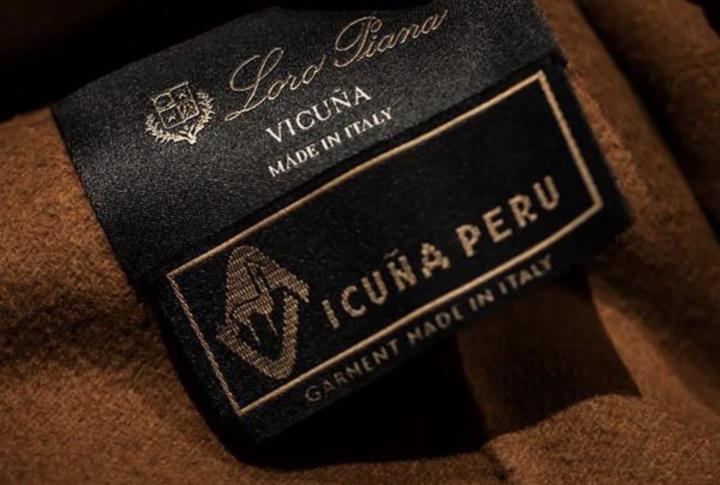
Loro Piana is one of the best examples of how supply chain control can become a luxury strategy in itself. The strategic pillar is vertical control of raw materials. This is a business built around owning and controlling access to some of the world’s rarest fibres: vicuña, baby cashmere, and ultra high-grade wool. Loro Piana controls the source material behind its products. That changes the entire economics of the business. The commercial insight is pricing power through scarcity. Loro Piana commands some of the highest price points in luxury, not through logos or overt branding, but through material exclusivity and supply constraints. When you control the input, you control the margin and more importantly, you control differentiation. The lesson is that supply chain advantage is a genuine competitive moat. Other brands can compete on marketing, campaigns, or even design direction. But securing access to rare materials is significantly harder to replicate over the long term. So if you’re building a brand, remember that competitive advantage doesn’t always sit in the final product. Sometimes it sits much further upstream. That’s what this brand gets right.
2
0
5d •
Tonight's Networking session
Afternoon everyone, Just a heads up, unless you have already pre-arranged some time with me this evening, I am going to use the Networking block in the calendar to record tonight's latest seminar "The Licensing Playbook" - personally one of my favourite ones so far. Feel free to message here or via WhatsApp if you'd like to chat tonight otherwise we have the pre-arranged Mentoring & Advice session tomorrow evening. I will probably also try a Tiktok Live session later this evening too if that's easier. Cheers Jalil
0 likes • 4d
@Mehdi Ali welcome to the community Mehdi!
6d •
Why Luxury Brands Don't Discount
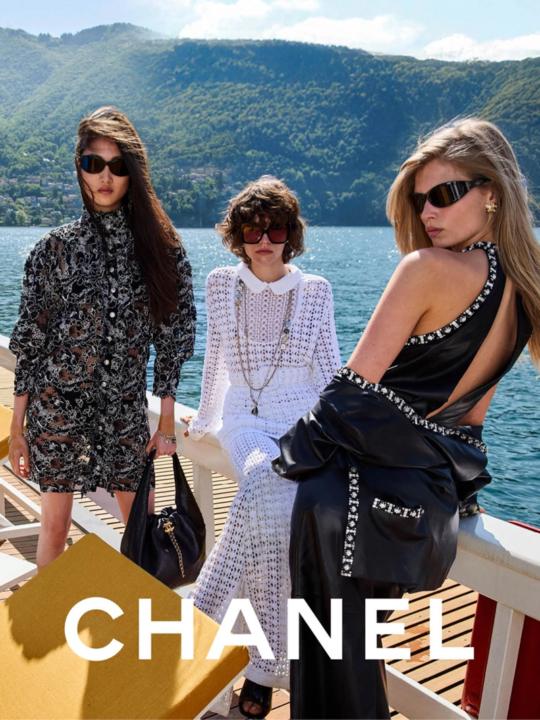
One of the consistent questions I'm asked on my Tiktok Live sessions is what makes a brand luxury. And whilst there is not an agreed definition, part of the operating system of a luxury brand relates to having discipline in all areas; distribution, design, product development, marketing and indeed even pricing. Now, most brands might discount to sell more units. But true, bonafide, luxury players do the opposite. You see, people think luxury is expensive because it costs more to make. That's genuinely not the case, I assure you. Luxury is expensive because demand is controlled. And a mechanism like discounting breaks that system. When a brand decides to discount it tells the customer that this price was always negotiable. And once that happens, that's a watershed moment because customer behaviour changes. They will wait. Your full-price sales slow down. And over time, your brand's pricing power disappears. No longer just margin loss, that is true brand erosion. So when I talk about discipline I want to reference the usual suspects like Hermès, Chanel, and Brunello Cucinelli. All three are undeniably minimal discounters. They maintain tight supply and controlled distribution. It's important to remind yourself that scarcity does absolutely drive desire. And that desire protects price. And then, that disciplined approach to price builds the brand, for the long-term. Discounting is a long-term strategic decision that can genuinely weaken everything you have built.
1 like • 6d
@Safwaan Mohmed hey Safwaan! That’s a really good question and worth correcting one thing: destruction was never a strategy (it was a fix for overproduction). Today, the best brands are avoiding that problem altogether: (1) they will produce less, more accurately (tighter demand planning, some even using AI in their planning) (2) they will avoid visible discounting (private sales, controlled channels) (3) and will build circularity (repair, resale, refurbishment programmes) From my perspective, luxury today isn’t necessarily about destroying excess but attempting to not create it in the first place ( brands like Hermes and Chanel are a testament to that).
8d •
Why Some Products Become Icons
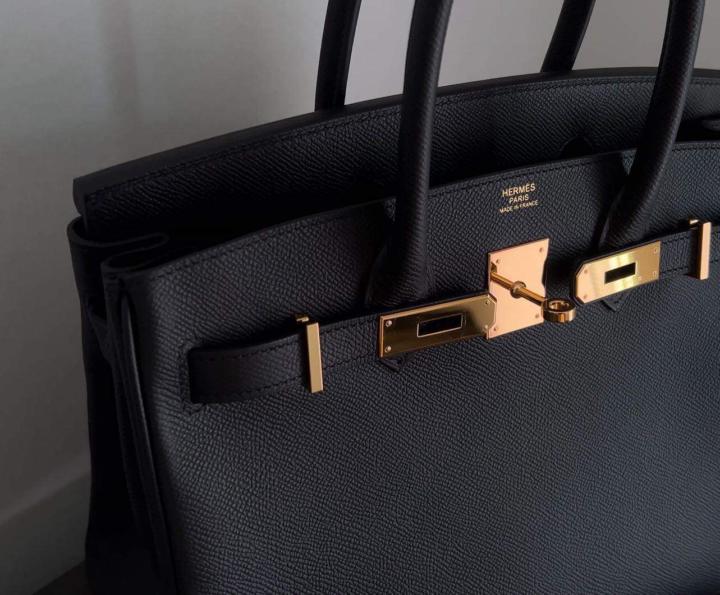
For fashion products to become iconic a lot of intentional actions and engineering occurs that mostly follow the same ruleset. The first is always consistency. True globally iconic products will not often change too much. The Hermès Birkin… the Rolex Submariner… even the Air Force 1… they might evolve slightly but generally the core stays intact. And that builds consumer recognition over time. The second is a word you might be sick of me saying: scarcity. Not everyone can access these products. As I've covered in previous videos (on my TikTok channel), Hermès uses waitlists and quota systems. And Rolex restricts supply through authorised dealers. That in itself creates tension between demand and availability. And that tension drives desirability. Third is cultural reinforcement. You can expect these product to show up everywhere. And I mean everywhere: celebrities. Collectors. Even street culture. And if you remember, that visibility will always compound demand. But let's also consider the HOW. These brands will actively protect their icons through limited production, price adjustments over time which are usually increases, tight distribution and minimal discounting So for example, Chanel has increased prices of its Classic Flap significantly since 2019, reinforcing its status as a luxury icon. An icon is not just a product. Like most things, It’s a system. Built through control and reinforced through culture and protected through business discipline.
2
0
1-10 of 41

Active 1m ago
Joined Dec 30, 2025
London
Powered by