Activity
Mon
Wed
Fri
Sun
Mar
Apr
May
Jun
Jul
Aug
Sep
Oct
Nov
Dec
Jan
Feb
What is this?
Less
More
Memberships
AvantGarde K9
8 members • Free
3 contributions to AvantGarde K9

0 likes • 19d
@Monique Boucher you’re tougher than me😩I hate this weather
2 likes • 19d
[attachment]
25d •
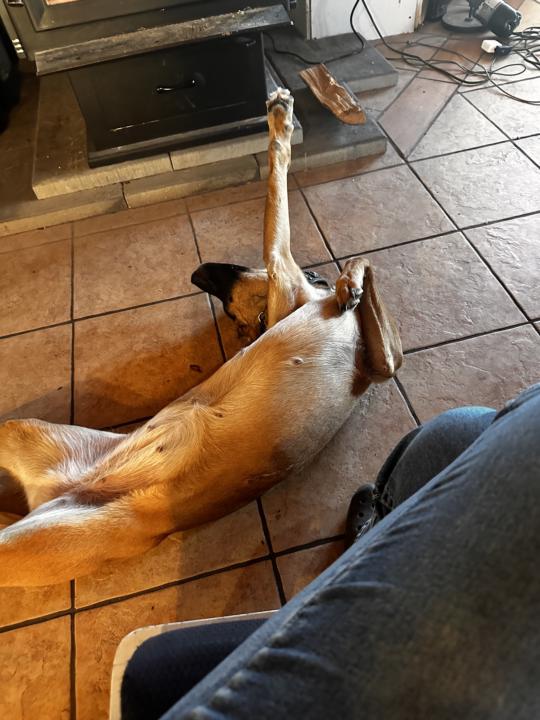
Taking it easy
What is everyone up too this Sunday?? Bam is just enjoying life by the fire. Show me in the comments what your pups are up too!!
1 like • 24d
It’s going good, but you’re right, it’s when it’s so cold
1 like • 23d
I will try, thanks for the advice
Jan 2 •
Why Your Recall Training Isn’t Working (And How to Fix It)
Teaching a reliable recall is one of the most important skills you can give your dog, but many owners unknowingly sabotage their own training. Here are the critical mistakes to avoid: Never Punish the Recall When your dog finally comes after ignoring you for five minutes, it’s tempting to scold them for making you wait. Don’t. From your dog’s perspective, they came to you and got yelled at. You’ve just taught them that coming when called leads to unpleasant consequences. Every single time your dog comes to you—no matter how long it took—should result in something positive. Always. Stop Repeating Yourself Saying “come, come, COME, COME!” teaches your dog that the first “come” is meaningless. They learn the command actually means “ignore me several times, then maybe respond.” Say it once, then make it happen (using a long line if needed during training). Your cue should mean “do this now,” not “do this eventually if you feel like it.” Don’t Set Your Dog Up to Fail Calling your dog when they’re mid-squirrel-chase before you’ve properly generalized the behavior is setting everyone up for frustration. Build the skill in low-distraction environments first, then gradually increase difficulty. If you call your dog in a situation they’re not ready for and they ignore you, you’ve just practiced failure and weakened your cue. Make Yourself the Best Thing Ever Coming to you should always be more rewarding than anything else in the environment. Yes, even more fun than that squirrel. Use high-value rewards, play, praise—whatever your dog finds most motivating. Create a history where responding to recall means something amazing is about to happen. The goal? Your dog should think, “When my human calls, I better sprint over there because I never know what incredible thing is waiting!” The foundation of recall training isn’t about control—it’s about building such a powerful positive association that your dog chooses to come to you, every single time.
1 like • Jan 2
Awesome advice
1 like • Jan 2
@Monique Boucher good, going out is good, in this cold its hard to do 4 coming in
1-3 of 3
Active 3d ago
Joined Jan 2, 2026