Activity
Mon
Wed
Fri
Sun
Aug
Sep
Oct
Nov
Dec
Jan
Feb
Mar
Apr
May
Jun
Jul
What is this?
Less
More
Owned by Flow State
Made by International high level athletes for athletes! Equipping you with tools to help self doubt, focus and injury comeback and enjoy the process
Memberships
Sprint University
7.1k members • Free
15 contributions to Flow state formula

Feb 10 •
Identity and performance
I was thinking lately about how many athletes attach their identity to their results, and how you can perform your best when you are free and relaxed. Inevitably, mistakes will happen and failures but when you realise the result is not who you are it’s what you do, you can achieve more in a happier way.
2
0

Jan 30 •
Being present
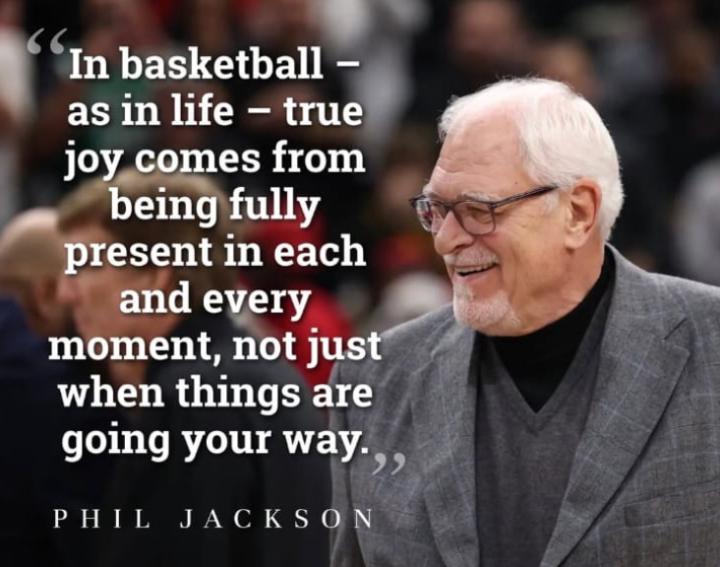
Time and time again we are always told to live in the moment, as an athlete your aim should be to “just be” let go of control, being in this moment fully. Living in the moment is powerful because peak performance only ever happens now, not in the replay of the last mistake or the anxiety of the next attempt. When an athlete stays present, their nervous system is calmer, reactions are faster, and movements become more fluid and instinctive. Being in the moment reduces overthinking, breaks fear loops, and allows training to express itself naturally. It’s where confidence lives — not as a thought, but as an experience — and it’s often the difference between forcing performance and letting it happen.
1
0
Jan 24 •
Athlete analysis!
https://youtube.com/shorts/0f7exhTwX8I?si=RFtqsfRjovW6IcWq Some key points from today’s athlete analysis ! A big takeaway from this is “if your focused on how you are doing you aren’t focused on what you’re doing” 1)Process mentality 2) Delayed gratification 3) Present moment playing
1
0
Jan 18 •
Athlete Analysis
Novak Djokovic one of the best tennis players of all time key mindset features Meaning, Purpose, and Faith Djokovic often frames performance as part of a larger life journey. “I believe there is a higher purpose in everything we do.” “When I connect with my purpose, I feel calm and clear.” Purpose-driven athletes show greater resilience, especially during adversity. Psychology link: Values-based motivation sustains long-term excellence. Pressure as a Challenge, Not a Threat Djokovic doesn’t try to eliminate pressure — he reframes it. “Pressure is a privilege.” — Novak Djokovic “The bigger the challenge, the bigger the opportunity.” This mindset keeps his nervous system in a challenge state, allowing better motor control and decision-making in clutch moments. Psychology link: Challenge appraisal → higher performance, lower fear response. Staying Present (Radical Attention Control) His dominance in long matches comes from extreme present-moment discipline. “Tennis is a game of one point at a time. You can only be in the now.” “If you think about the last point or the next one, you lose the moment.” This mirrors mindfulness-based performance training used by elite athletes and military operators. Psychology link: Attentional control + mindfulness = flow access. Emotional Regulation: Allow, Then Reset Djokovic doesn’t suppress emotion — he works with it. “I’m human. I feel frustration, anger, joy — but I don’t let it control the next point.” “The key is not to avoid emotions, but to recover quickly.” This acceptance-based approach prevents emotional spirals and keeps him grounded. Psychology link: Acceptance > suppression for emotional regulation. Identity Beyond Winning Djokovic’s self-worth is not dependent on trophies. “Tennis does not define me as a person. “I am more than a tennis player.” This identity stability allows him to compete freely, without fear of failure or ego collapse. Psychology link: Identity separation reduces performance anxiety. Adversity as Fuel
2
0

1-10 of 15

@flow-state-formula-2798
Welcome to Flowstate Formula dedicated to equip athletes with the tools to get in the zone, let go of doubts, overcome obstacles and enjoy the process
Active 105d ago
Joined Jan 1, 2026