Activity
Mon
Wed
Fri
Sun
Aug
Sep
Oct
Nov
Dec
Jan
Feb
Mar
Apr
May
Jun
Jul
What is this?
Less
More
Owned by Edemic
Decode your dog specific needs. Learn to build a custom diet and identify toxic foods guided by your personal vet-mentor.
Memberships
Learn to Cook for your Dog
87 members • $15/month
DAFY (Dog Advice For You)
115 members • Free
22 contributions to EDEMIC_PETS

17d •
"Human Grade" is Meaningless
"Human Grade" is a marketing term, not a legal definition for the final product. Once an ingredient enters a pet food plant, it technically loses its "human grade" status anyway. It sounds premium, but it doesn't guarantee your dog is getting better nutrients. Focus on the nutritional analysis, not the adjectives.
1
0

17d •
The "Ingredient Splitting" Trick
Ever see "Peas, pea flour, and pea protein" on a label? That’s ingredient splitting. By breaking one ingredient into three, the manufacturer can keep "Meat" as the first ingredient by weight, even if the total amount of peas is much higher. Don't just read the first item; read the whole list.
1
0

22d •
Large Breed vs. Small Breed Needs
A Great Dane puppy and a Chihuahua puppy have vastly different nutritional requirements. Large breed puppy formulas have lower fat and controlled calcium to prevent rapid growth. Small breed formulas are energy-dense to prevent hypoglycemia. Never use a "one size fits all" approach for puppies. What breed is your puppy, and do you choose their food based on their specific size and growth needs? Tell us in the comments!
1
0

22d •
Transitioning is a Marathon
Puppy GI tracts are incredibly sensitive. Switching foods overnight is a recipe for a "poop-pocalypse." Always transition over 7-10 days. Evidence shows that gradual introduction helps maintain a healthy microbiome and prevents long-term sensitivities. How did your puppy handle a food transition - smoothly, or did you learn the hard way why gradual changes matter? Share your experience in the comments!
1
0
26d •
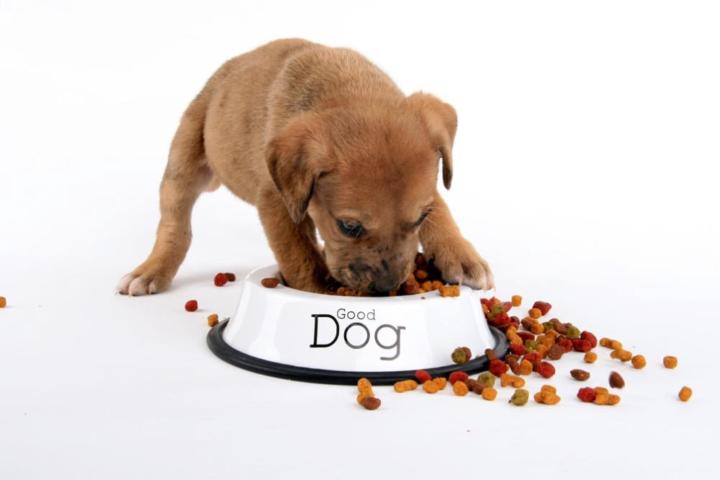
Brain Food (DHA)
Did you know that DHA (an omega-3 fatty acid) is crucial for puppy brain development and trainability? Look for puppy foods that specifically list DHA. It’s the difference between a puppy that "gets it" and one that struggles to focus. Science-backed nutrition starts with the brain.
1
0
1-10 of 22

@edemic-mentorship-4665
We educate pet owners to truly understand what’s in their dogs’ bowls - because health starts with nutrition!
Active 8d ago
Joined May 18, 2026