Activity
Mon
Wed
Fri
Sun
Aug
Sep
Oct
Nov
Dec
Jan
Feb
Mar
Apr
May
Jun
Jul
What is this?
Less
More
Memberships
Grow With Evelyn
3.6k members • $7/month
AI Money Lab
85.4k members • Free
Growers
2.3k members • Free
Coloring Book Academy
163 members • $50
AI ATM MACHINE
2.6k members • Free
Lifestyle Founders Group™
12.9k members • Free
SK8SHOT Society
3.3k members • Free
The Offer Lab
86 members • Free
14 contributions to 🔦 Skooler Spotlight

Mar 20 •
Hello Lurkers & Likers :)
I see you, and I want to thank you for being here. I just wanted to let you know that when you comment on something (and not only like) You are earning points, and in every Skool Community that gives you extra perks. You may just do GIFs if you do not want to say anything. Even those get likes (aka points)


🔥
2 likes • Mar 28
[attachment]
Mar 12 •
The Money Bundle is CLOSED 💰
From March 12–16, you can grab a curated stack of money-focused resources from a small group of creators who want you to actually use what you download. Inside you’ll find a mix of: income tools, money systems, budgeting and bookkeeping support, and the mindset pieces that make you follow through. 👉 Here’s the link to jump in A quick note: this is a short public window. If something looks helpful, grab it now so you have it. Have fun browsing, and tell me what you grabbed first. xo Laura

🔥
4 likes • Mar 12
How are you making these soo very cute characters?
Feb 17 •
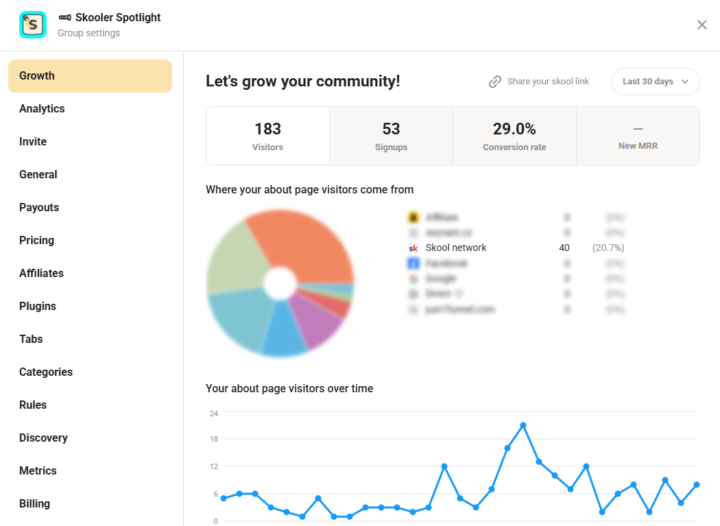
Skoolers, Check Your dashboard!
Even on the Hobby Plan they give you amazing insights on how your community is going! Skool is THE place to build your business! Don't have your own community yet? 👉 Use my affiliate link to create your community, and you will have me in your corner for direct support!
🔥
2 likes • Feb 18
@Laura Paulina Wow, how did you blur everything 'except' Skool?! You know alot of tricks!
🔥
3 likes • Feb 19
@Laura Paulina ohhhhh
Jan 19 •
Quick Check-In.
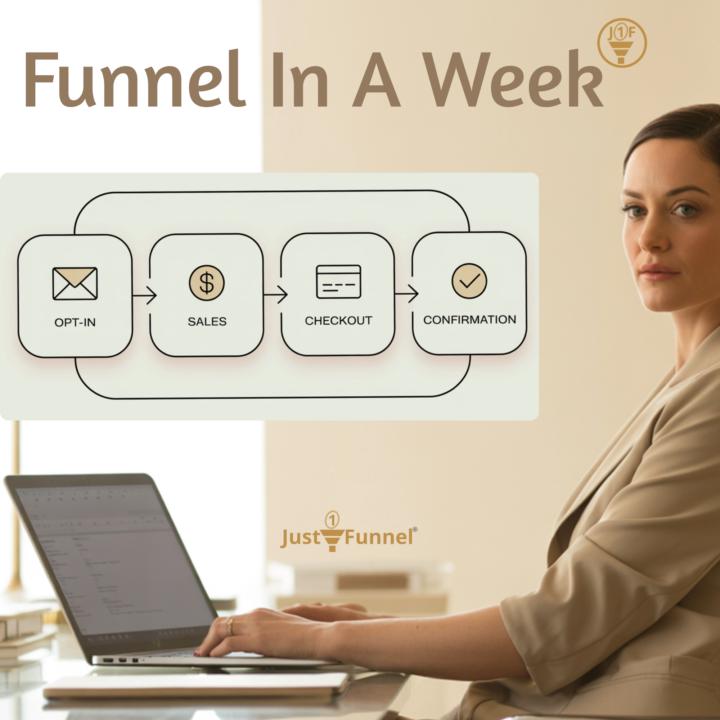
If your offer is clear but selling still feels harder than it should, there’s a good chance the problem isn’t your content or your consistency. It’s the funnel. Not because funnels are complicated. Because unfinished funnels quietly slow everything down. That’s exactly why Funnel in a Week exists. Not to teach funnels. To finish one. If you already know what you’re selling and just want a clean, tested conversion path you can actually send people to, this is the shortcut that removes months of friction. This sits outside the ABC Path on purpose. It’s DFY execution, not DWY execution. If you want details, check the Funnel in a Week page or drop a comment and I’ll point you to it. 👉 https://www.just1funnel.com/funnel-in-a-week
🔥
2 likes • Jan 19
@Laura Paulina Hi Laura. Do you use CF or GHL?
Dec '25 •
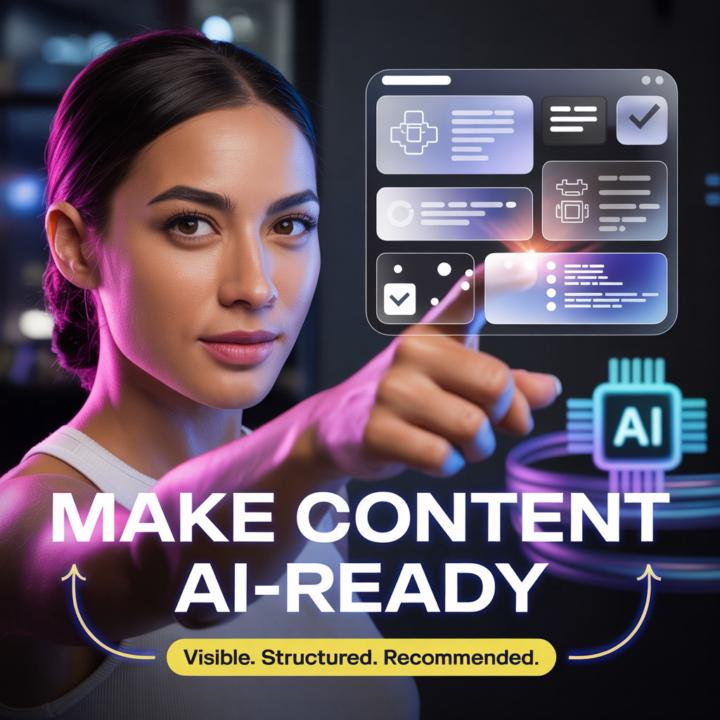
SEO vs AEO: The Shift That Changes How Your Offer Pages Get Found
Most people still build their pages like it’s 2015. They think in SEO terms. Keywords. H1s. Meta descriptions. But everything changed the moment ChatGPT and other LLMs took over how people search. Search engines don’t just “search” anymore. They interpret. They summarize. They decide what to show based on how clearly your information is structured. That’s where AEO comes in. Answer Engine Optimization. When I understood the difference, I rebuilt the way I structure every page in my business. 𝐇𝐞𝐫𝐞’𝐬 𝐭𝐡𝐞 𝐛𝐢𝐠 𝐬𝐡𝐢𝐟𝐭 Traditional SEO asks: “How do I rank on Google?” AEO asks: “How do I structure my content so AI understands it and recommends it as the best answer?” Two different goals. Two different outcomes. 𝐖𝐡𝐲 𝐀𝐄𝐎 𝐦𝐚𝐭𝐭𝐞𝐫𝐬 𝐞𝐯𝐞𝐧 𝐦𝐨𝐫𝐞 𝐟𝐨𝐫 𝐜𝐨𝐥𝐝 𝐚𝐮𝐝𝐢𝐞𝐧𝐜𝐞 This is the part almost everyone overlooks. SEO mainly helps you get found by people already searching for you. AEO helps you get found by people who don’t know you at all. Answer engines scan structured data across the internet and choose the clearest source to use. When your pages are AEO-optimized: • AI understands exactly what you do • It can summarize your offer accurately • It can recommend you inside related answers • It can place your content in “best options” or “top tools” style responses • It can surface your work to people with matching problems, even if they never heard of you That is cold reach without running ads. Not based on algorithms. Not based on hashtags. Based on clarity. If AI can read you, it can recommend you. If it can’t read you, you stay invisible. 𝐀𝐄𝐎 𝐫𝐞𝐪𝐮𝐢𝐫𝐞𝐬 𝐝𝐢𝐟𝐟𝐞𝐫𝐞𝐧𝐭 𝐛𝐮𝐢𝐥𝐝𝐢𝐧𝐠 𝐛𝐥𝐨𝐜𝐤𝐬 To make your offers readable to AI, you need: 1. Schema blocks Structured information that tells answer engines what your page contains. 2. FAQ blocks Short, direct answers AI can pull from. 3. JSON blocks Context about your business, your page, and your intent. Once you structure your pages this way, LLMs understand you instantly. That’s why I changed the order of every page I build. 𝐖𝐡𝐚𝐭 𝐭𝐡𝐢𝐬 𝐦𝐞𝐚𝐧𝐬 𝐟𝐨𝐫 𝐲𝐨𝐮𝐫 𝐛𝐮𝐬𝐢𝐧𝐞𝐬𝐬
🔥
2 likes • Dec '25
Crazy good!
1-10 of 14
Active 4h ago
Joined Nov 9, 2025