Activity
Mon
Wed
Fri
Sun
Nov
Dec
Jan
Feb
Mar
Apr
May
Jun
Jul
Aug
Sep
Oct
What is this?
Less
More
Owned by Dr
Plebs 2 Profits & FIRE (Financial Independence, Retire Early): Using Bitcoin with stocks for generational wealth!!
Skoolers
150.9k
Free
49 contributions to Plebs 2 Profits

8d •
Why Dave Ramsey fiat advice doesn't work today
I think this is a really important Ramsey show clip I covered and an important discussion in today's current environment. Please give your opinions and feedback and I feel a very important convo to have.
0 likes • 8d
Would love to have a discussion around this topic
Mar 10 •
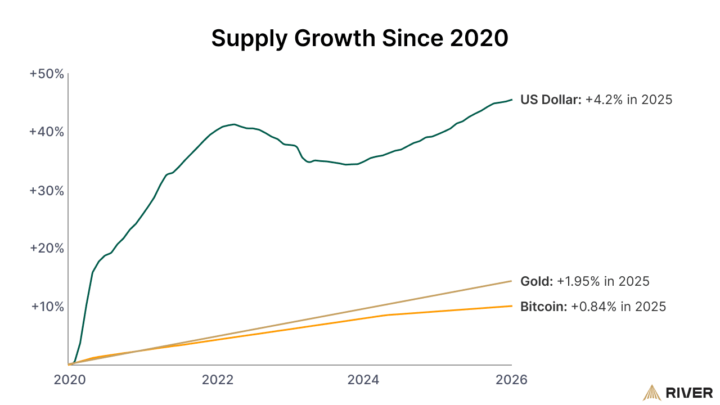
Only 1 million bitcoin left to be mined
https://river.com/content/1-million-bitcoin-left-mar-2026?utm_campaign=River%20Intelligence&utm_medium=email&_hsenc=p2ANqtz-9O0NJOMXxxP12HGQi6VYdvqmEdOLXJ799M6uZpyE8jDVdDJ5RSYGMwPAX952BuPxD2AbZaBS_Dy1GuA8YD8wXrrwDklw&_hsmi=407987653&utm_content=407987653&utm_source=hs_email
2
0
Feb 25 •
The BTC & FIRE Template I Wish I Had When I Started (Full Walkthrough)
In this video I do a walk through of this amazing tracker for anyone that is serious about building a FIRE portfolio & wants to stack BTC for their financial independence! Those that join my new Skool tier will get LIFETIME Founders Rates of access to this, give feedback on future iterations and have indepth discussions with other like minded who are serious about building a true portfolio for generations!
0
0
1-10 of 49

@dr-crypto-6828
Helping people escape the fiat money theft matrix by saving in Bitcoin & using F.I.R.E. (Financial Independence, Retire Early)
Active 1d ago
Joined Aug 21, 2025