Activity
Mon
Wed
Fri
Sun
Aug
Sep
Oct
Nov
Dec
Jan
Feb
Mar
Apr
May
Jun
Jul
What is this?
Less
More
Memberships
Japanese Language Learners
404 members • Free
20 contributions to Japanese Language Learners

Apr 8 •
Wednesday Welcome — 🌸vs🍁
ようこそ!🙇♂️ Welcome to all our new members this week! This is a place for us to learn Japanese together, step by step. There’s a lot to learn, but with consistency and support, we’ll get there. ❓ This Week’s Question 🌸 桜か紅葉か? 🍁 さくらかこうようか? sakura ka kouyou ka? Cherry blossoms or Autumn leaves? Spring beauty or autumn colours — which do you prefer? 🫵 Your Turn Answer in English or Japanese 😊 Examples: 桜が好きです。 Sakura ga suki desu. I like cherry blossoms. 紅葉が好きです。 Kouyou ga suki desu. I like autumn leaves. Bonus points if you tell us why! Looking forward to your answers 👇 Joe Sensei Welcome: @Trevon Augustin @Sarvesh Chaudhary @Ma Ri @Monique Francis @Sana Jazaery @Ronny Stein @Nichollas Hermann Fernandes Diélle @Abel da Silva @Julie Legrand @Riku Fujishima @Yanyan Liu @Michelle Momodu
Poll
11 members have voted

1 like • Apr 11
私はさくらとこうようがすきです、でもこうようが大好きです。because they even when they fall or lose there color sometimes they are still きれいです.
Apr 10 •
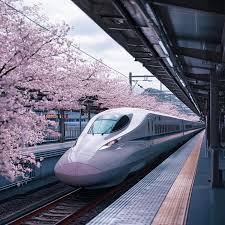
🚄 Japan Fact Friday — Shinkansen Etiquette
This week’s fact is about one of the most famous travel experiences in Japan. I once boarded the Shinkansen for the first time. I expected noise — announcements, chatter, phones ringing. Instead… it was quiet. Not silent, but calm. People sat neatly. Some were eating beautifully arranged 駅弁 (えきべん / ekiben) — train bento boxes. Others looked out the window, or rested. No loud phone calls. No music playing out loud. No one speaking across the aisle. Even when the train was full, it felt… peaceful. 🚄 The Unwritten Rules On the Shinkansen, there are a few important manners: 📱 Phone calls are avoided If you must take one, you step into the space between carriages. 🔇 Keep your voice low Conversations are quiet and respectful. 🍱 Eating is okay — even encouraged But it’s done neatly and without strong smells. 🧳 Be aware of space Luggage is placed carefully so others are comfortable. 🧠 Why This Matters This reflects something deeply Japanese: • awareness of others • shared responsibility for comfort • respect for public space Everyone helps create the atmosphere. That’s why even a high-speed train can feel so calm. 🧠 Language Lesson — On the Train 🚄 しずかにします。Shizuka ni shimasu. I will be quiet. 🚄 でんしゃでたべます。Densha de tabemasu. I eat on the train. 🚄 でんわをしません。Denwa o shimasen. I don’t make phone calls. 🫵 Your Turn What do you prefer on public transport? 🔇 quiet and calm🎶 lively and social And could you follow these rules easily? Answer in English or Japanese 😊 See you next Friday for another Japan Fact Friday
2 likes • Apr 11
でんしゃでおんがくをききます
Apr 7 •
Your Favourite Word - #JapaneseTopicTuesday
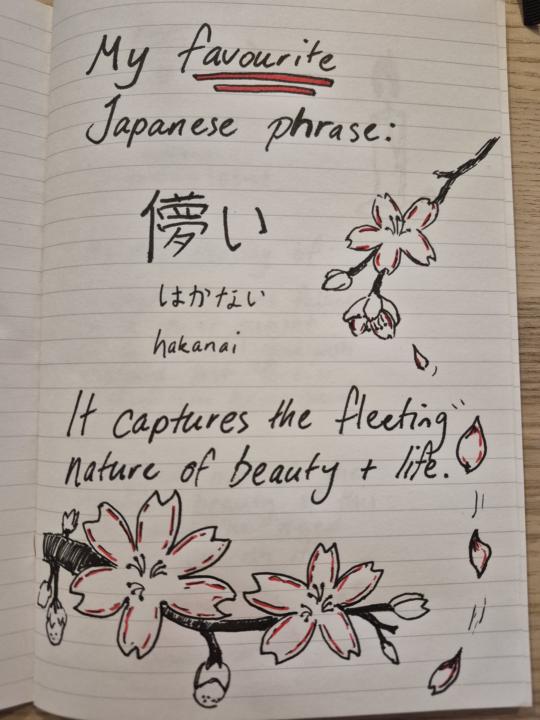
Konnichiwa, What's your favourite Japanese word or saying? Mine is 儚い - hakanai. Hakanai means evanescent, fleeting, ephemeral. It suggests the passing nature of moments, beauty and life. The delicate cherry blossoms blooming and shortly falling are hakanai. The crimson sky and the setting sun moments before night falls are hakanai. Each day spent with loved ones are hakanai. We must appreciate the beauty of these experiences that will come and go and cherish them all the more for it. The special things in life are hakanai and that's why it is my favourite Japanese word. What is your favourite Japanese word or saying? Arigatou, Joe Sensei.
3 likes • Apr 8
Mine is がんばってit motivate me whenever I feel tired
1 like • Apr 11
@Joe Bennett はい
Mar 24 •
What made you first interested in Japan/Japanese?
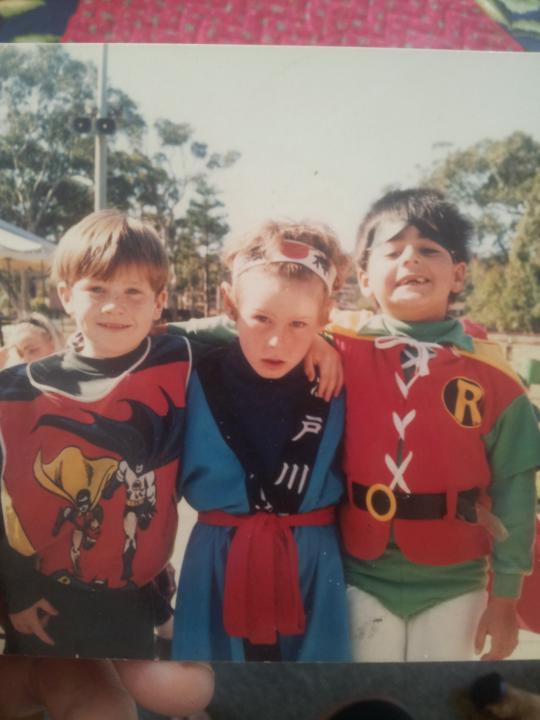
#JapaneseTopicTuesday What made you first interested in Japan/Japanese? In the photo, I'm the one between Batman and Robin. This is from kindergarten and I was wearing a Japanese happi from Edogawa and a kamikaze headband bought in Japan. I had a little sword too and thought I looked like a cool samurai. 😅 To be honest, I was borrowing them from my brother. He had been to Japan to play football (soccer) against Japanese high school boys his age. My brother got souvenirs and gifts from Japan and I thought they were so cool and fascinating. Everything from Japanese Coke bottles with cool writing on them and coins (with holes in them!), to toys like spinning tops and kendama. Then, we were lucky enough to host two Japanese boys from Japan as they visited Australia to play against my brother's team here. It was amazing to meet these kids from another country and culture. We couldn't speak much together not knowing each other's language, but we found a way to communicate and had so much fun, always laughing! That experience sparked my interest in Japan. It wasn't until university that I formally studied the language, but from meeting those Japanese boys and experiencing the generosity and kindness of their families too, I knew I always wanted to visit Japan. That was how I got interested in Japan and Japanese. How about you? Let me know in the comments!
3 likes • Apr 8
Beautiful story ,well for me it's Anime it's the first thing that linked me to japanese culture I used to watch Japanese anime since I was 5y.o or more they were translated in Arabic so it was until I grew up a little where I discovered the japanese culture through anime ,and once I started looking into japanese culture I like many aspect like their traditional clothes ,some of their dishes looks good too ,so I decided to learn japanese first to be able to read anime without subtitles and Secondly to be able to understand and discover the japanese culture more
Dec '25 •
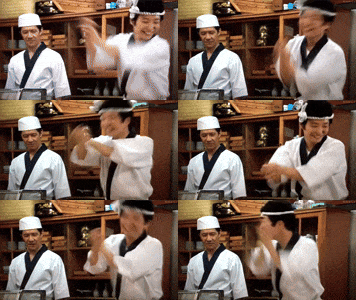
🍣🥢 Community Call-Out! 日本の食文化 (Nihon no Shoku Bunka)
Share your favourite food or restaurant! It's time for our next community call-out! Last time we shared our favourite Japanese songs and now let's talk about something delicious: Japanese Food Culture! 💬 Tell Us Your Food Story! Have you ever tried making sushi, slurpable ramen or maybe some classic onigiri? We want to hear about your favourite Japanese dish, snack or restaurant experience! What is your absolute favourite Japanese food? (e.g., Ramen, Takoyaki, Curry Rice, etc.) Do you have a favourite restaurant in your area that serves authentic Japanese food? Have you tried making a Japanese dish yourself? What was it, and how did it turn out? (Photos welcome!) 📝 You Can Use Some Japanese! If you're feeling brave, try to answer using some of the Japanese words you know! 私の好きな食べ物は [Your Food] です。 Watashi no suki na tabemono wa ____ desu. (A food I like is...) [Your Food] が一番好きです。 ________ ga ichiban suki desu. ([Your Food] is my favorite/number one.) {美味しい!} (Oishii! - Delicious!) Let's share our gastronomic adventures! Post your answer below! 👇
1 like • Dec '25
i like tempura ,watashi wa tenpura ga suki desu
1-10 of 20

@diyaa-es-souissy-9682
hi there my name's Diyaa i speak arabic, french and english and I'm learning japanese and Chinese.
Active 96d ago
Joined Oct 6, 2025
Powered by