Activity
Mon
Wed
Fri
Sun
Aug
Sep
Oct
Nov
Dec
Jan
Feb
Mar
Apr
May
Jun
What is this?
Less
More
Memberships
Toeka & NOU Permaculture Farm
51 members • Free
26 contributions to Toeka & NOU Permaculture Farm

🔥
Mar 10 •
Community Rules / Gemeenskapsreëls 🎯
English: - Stay On-Topic: Limit comments strictly to the video and webinar content. - Political Neutrality: This is a non-political space. Propaganda or political content is strictly prohibited and will be removed without prior notice. - No Promotion: Outside products, services, or irrelevant topics will be removed. - Training: This is an introduction. Advanced training is available for those wanting more. Vision: We are committed to actively planning and building our collective future. Purpose: We empower one another through community-based training, trade initiatives, housing support, and job security. Code of Conduct: We uphold a standard of mutual respect. Discrimination, verbal abuse, cryptocurrency promotions, or exploitative schemes are not permitted. Posting Threads + High quality artwork + Authentic human engagement Afrikaans: - Bly by die Onderwerp: Beperk kommentaar slegs tot die video- en webinaar-inhoud. - Geen Politiek: Geen propaganda of politiek. - Sulke plasings word sonder waarskuwing verwyder. - Respek: Geen diskriminasie, slegsê, crypto of skemas nie. - Geen Promosies: Eksterne produkte, dienste of irrelevante onderwerpe sal verwyder word. - Opleiding: Hierdie is slegs ’n inleiding. Gevorderde opleiding is beskikbaar vir diegene wat meer wil leer. Toeka & NOU Mastermind Think Tank 🧠 Visie: Ons beplan en bou aktief aan ons toekoms. Doel: Ons ondersteun mekaar met gemeenskapsopleiding, handeldryf, behuising en werksekerheid.

4 likes • Mar 10
Dink ons gaan dalk die ding in engels moet sit ook vir die nie afrikaans sprekende mense
1 like • Apr 1
@Heidie Kriegler wel dit is moontlik en ek probeer maar goed doen in twee tale maar soms raak die lees werk te lank
🔥
Mar 25 •
Wat 'n lekker kuiertjie....
Dit was nou 'n baie lekker kuiertjie gewees. Ons het behoorlik gesels oor klomp lekker onderwerpe wat so in Toeka & NOU se naam pas. Baie dankie @CC Kriegler , @Heidie Kriegler , @Amadea Knoetze , @Dirk V zyl , @Marie Wessels , @Marinda Marx en @Jaco van Biljon al het die klank so nou en dan met Wi-Fi probleem gemaak en die video nie so lekker saam wou speel nie het ons gesels en gekuier vir sommer ver vir by tyd, is as of die tyd stil gaan staan het.

2 likes • Mar 25
Klink my baie van ons het bietjie gestoei met die netwerk vanaand

Mar 24 •
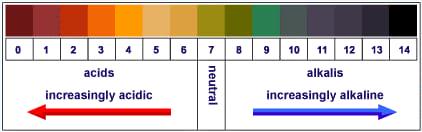
pH toets
DIY Grond pH toets al wat jy benodig is Koeksoda en Asyn en 2 Glas bottels. Grondsuurheid of Alkaliniteit: Plaas 2 eetlepels grond in 'n Glas bottel en voeg ½ koppie asyn by. As die mengsel bruis, het jy alkaliese grond. Plaas 2 eetlepels grond in 'n bottel en maak dit nat met gedistilleerde water. Voeg ½ koppie koeksoda by. As die mengsel bruis, het jy suur grond. As dit nie op enige van die toetse reageer nie, het die grond 'n neutrale pH. 'n Baie hoë of baie lae grond pH kan lei tot 'n tekort aan plantvoedingstowwe of toksisiteit. 'n pH-waarde van 7 is neutraal; mikrobiese aktiwiteit is die grootste en plantwortels absorbeer/toegang voedingstowwe die beste wanneer die pH in die 5.5 tot 7 reeks is. Sodra jy jou grond pH vasgestel het, kan jy dit verander of aanpas. Suur (suur) grond word teenwerk deur fyn gemaalde kalksteen toe te dien, en alkaliese (soet) grond word behandel met gemaalde swael.
2 likes • Mar 24
Mens moet net versigtig wees, want oggend, middag en aand ph vlakke in verskil in grond, ph is nooit konstant nie so beste is om middag die grond monster te trek en dan te toets
3 likes • Mar 24
@CC Kriegler net so ja, sand, leem en klei grond kan soms tricky wees met n toets want die grond is nie ewe gemeng oorals nie so mens kan op een hoek n suur grond kry en op n ander hoek alkaliese grond kry, maar as mens n swembad ph toets kit het werk dit ook lekker om n ph lesing te kry
🔥
Mar 24 •
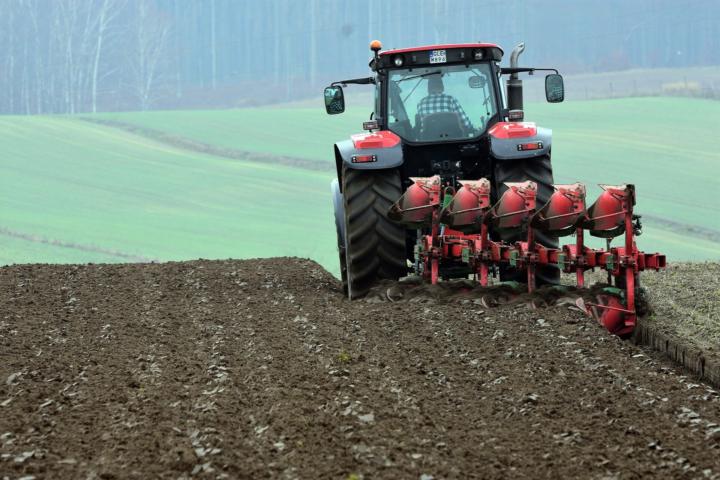
Fiber-optic sensors reveal how farming destroys soil's natural structure
by Chinese Academy of Sciences Soil is often perceived simply as "dirt," but in reality, it is a dynamic, living system that acts as Earth's natural sponge. Unfortunately, common agricultural practices—including deep plowing and the use of heavy machinery—can severely disrupt this natural system, according to a new study led by Dr. Shi Qibin from the Institute of Geology and Geophysics of the Chinese Academy of Sciences, in collaboration with international partners. The study, published in Science, shows that healthy soil contains a natural internal "plumbing" network of microscopic pores and channels that allow water to infiltrate deeply into the ground, where it becomes available to plant roots. Frequent plowing or heavy tractor traffic not only disrupts soil structure but also reduces its ability to help crops withstand both flooding and drought. The team used a novel technique to observe subsurface soil processes without excavation. The researchers converted standard fiber-optic cables—similar to those used in high-speed internet networks—into a large-scale sensor array installed across an experimental farm at Harper Adams University in the United Kingdom. By using the array to detect tiny ground vibrations generated by water flow, the researchers were able to monitor water movement through the soil minute by minute. Using high-resolution fiber-optic data, they observed that rainfall tends to pool near the surface in heavily cultivated soil. Because water remains shallow, it evaporates rapidly in sunlight, leaving deeper soil layers dry.
1 like • Mar 24
The capillary effect is basically how water moves through your soil, so it's basically a wicking method if you want to do a simple plant test you can cut a 2L coke bottles top off and then flip the top part around and fit it back into the bottle, by using a old shirt or rag you can place it into the bottle and fill the bottle to just below the cap and then plant a common plant in the top section, the plant will grow beautifully because the wick method allows the plant to only draw as much water as needed, the rest falls back into the "reservoir".
🔥
Mar 18 •
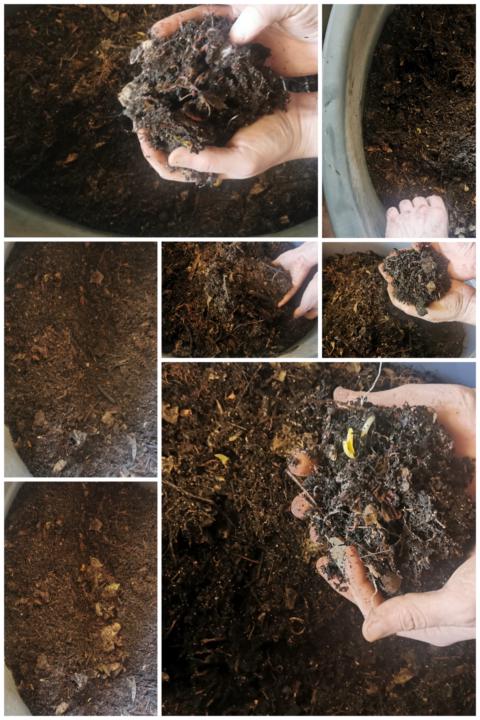
Healthy Soil | Gesonde Grond
Healthy soil produce good results. Gesonde grond produseer goeie resultate
1 like • Mar 22
@Christo Kriegler ek wonder soms hoeveel keer dwing ons, onself nie weg van die natuur af nie
1 like • Mar 22
@Christo Kriegler dis ook die ander kant van die mintstuk
1-10 of 26

@dirk-v-zyl-9291
Fondling something is a way of learning
Active 95d ago
Joined Mar 10, 2026