Activity
Mon
Wed
Fri
Sun
Sep
Oct
Nov
Dec
Jan
Feb
Mar
Apr
May
Jun
Jul
Aug
What is this?
Less
More
Owned by Derick
Frequency therapy for tinnitus, sleep & cognitive support — built by a certified music therapist. Research-informed. Faith-anchored.
We created a space for His voice to be the Biggest voice in the room. Join us Sundays 11am EST
GOOSIFY: Skool Made Fun
13.1k members • Free
Skoolers
161.8k members • Free
185 contributions to Watermusicology

2d •
Help us grow — and dive into the 30 Day Immersion 🌊
Hey Watermusicology family, If Watermusicology has meant something to you, I’d love your help spreading the word. Head over to our About page and leave a review — it makes a huge difference for people discovering us for the first time and helps them feel confident joining our community. While you’re at it, if you haven’t already, dive into the 30 Day Immersion: 👉 https://www.skool.com/watermusicology/classroom/da27cb3f And don’t be shy — share, comment, and like as much as you want. The more you participate, the more you climb the leaderboard. Whether you love the app or prefer the classroom content, use whatever works best for you — just keep showing up. That’s what builds this community. Thank you for being part of this journey with us. With gratitude, dT
1
0

6d •
Where Does This Sound Hit You?
Sound moves in our bodies in interesting ways. Where does this hit you?
1-10 of 185
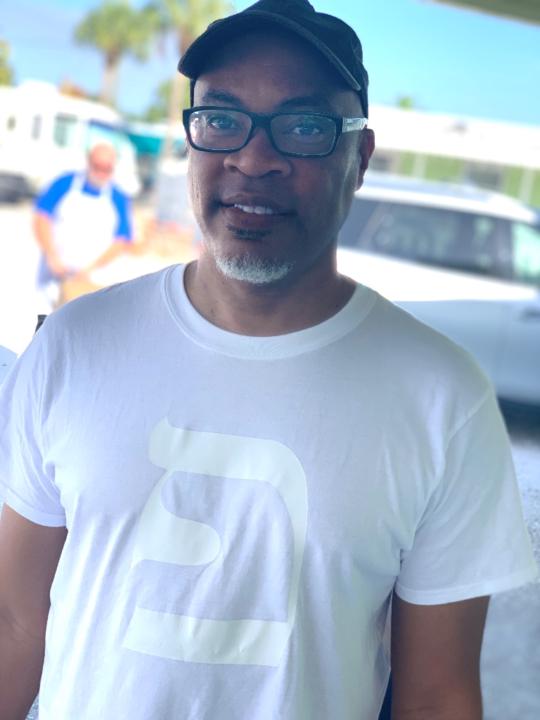
@derick-thomas-1754
Sound Therapist/Music Therapist/Professional Musician/Creator/Author/Dove Nominee/God Lover/Husband/Father
Active 4h ago
Joined Feb 16, 2026
ISTJ
Powered by