Activity
Mon
Wed
Fri
Sun
Aug
Sep
Oct
Nov
Dec
Jan
Feb
Mar
Apr
May
Jun
Jul
What is this?
Less
More
Memberships
Health Leaders Community
105 members • Free
GC
Growthworks Community
24k members • Free
1 contribution to Health Leaders Community

May 12 •
Ancient Wisdom Vs Modern Chaos
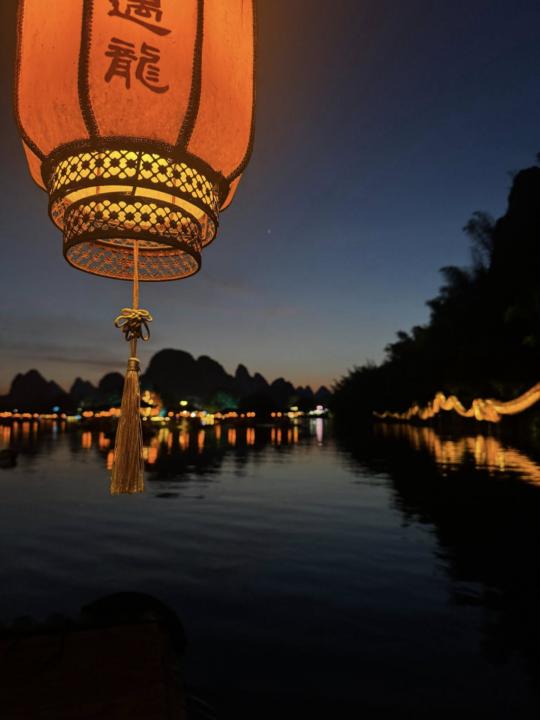
There’s something special about a land with so much ancient history. We’ve been travelling through China and this past week we visited the ancient village of Fenghuang, a place with over 1,300 years of living history woven into its streets. During the day you can see the ancient stonework, temples, bridges and waterways. And at night, everything comes alive. Lanterns illuminate the riverbanks. Old wooden buildings glow softly against the water. Music drifts through the alleyways. The river becomes a moving canvas. With performers, dancers & musicians in boats. Every detail feels intentional. But what surprised me most wasn’t just the beauty and cultural celebration. It was the continuity. An almost unbroken lineage of music, poetry, medicine, philosophy, architecture, food and spiritual tradition that has somehow survived the rise and fall of dynasties, wars, industrialisation, revolutions and modernity itself. You can feel that this civilisation remembers something, many other countries have missed. We witnessed tea ceremony with a tea master, a Guqin performance from a Guqin master, elite dancers and performance artists of all kinds - all honouring a very ancient tradition, and most of it developed to improve health, wellbeing & longevity. When I studied Chinese Medicine years ago, I remember being in awe of how truly ancient many of the classical texts were. Some of these texts span millennia and have been referenced, debated, interpreted and taught continuously by generation after generation of physicians and scholars. Century after century, over thousands of years. One of the most profound examples is the Huangdi Neijing (The Yellow Emperor’s Classic of Internal Medicine). A foundational Chinese medical text compiled at least 2,300–2,500 years ago during the Warring States period. And even that is likely a conservative estimate. What fascinated me most when I first studied this text…was that many of the ideas are still relevant today. One of the opening passages says:

0 likes • 10d
This must be beautiful at night. One day I’ll be there to see it
1-1 of 1
Active 21d ago
Joined Jun 16, 2026
Powered by