Activity
Mon
Wed
Fri
Sun
Sep
Oct
Nov
Dec
Jan
Feb
Mar
Apr
May
Jun
Jul
Aug
What is this?
Less
More
The Grow Renaissance Skool
808 members • Free
IKONIC MARKETER
283 members • Free
21 contributions to The Grow Renaissance Skool
Jul 12 •
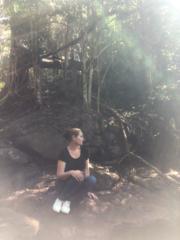
Roadside stalls
How cool is the little roadside stall outside a farm. It had fruit and veggies, snacks, refreshing drinks and some dog treats

Jul 10 •
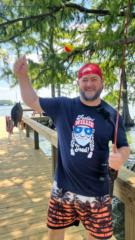
Grow AMA - July 9, 2026
Fun call tonight where we talked about GROW, farmers markets and some trading. Including GROW now be available to purchase on the BASE Network through Coinbase! Check it out: https://www.coinbase.com/price/grow-base-0x1223334444a7466fbf985b14e1f4edaf3883bca6-token Not Financial Advice - just shown as educational information.

1 like • Jul 10
If you are interested in a Grow shirt/hat or both send me a message.
Jul 6 •
Aussie Grow Shirts & Caps
Last Call for Grow shirts and Caps. Hey Aussie Grow family! 👋 Earlier this year I had a batch of GROW shirts printed, and I'm thinking about doing another run. If there's enough interest, I'll also get some GROW caps made. If you'd be keen on a shirt, a cap, or both, let me know in the comments so I can gauge the numbers!
0 likes • Jul 9
@David Gaule are you in the Aussie Grow whatsapp chat?
1 like • Jul 10
@David Gaule Just sent you a message
Jul 10 •
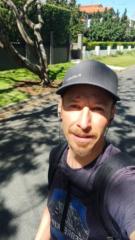
Let's keep spreading the word
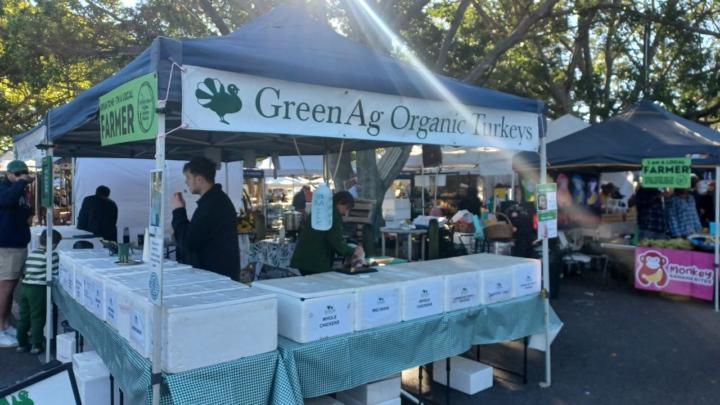
Ewart and his incredible staff at GreenAg are the first stall to jump onboard the Grow blockchain at my local Brisbane market! They are in full support of putting the power right back to where it belongs! 😎
1 like • Jul 10
They have the best chicken, so much flavour in it. His eggs are also amazing
Jul 3 •
GROW AMA - July 2, 2026
Thanks to all who joined! A great conversation about farmer's markets, on chain transactions and purple sweet potatoes! Here's the "GROW FOMO Form" - Take actions, get GROW tokens! https://forms.gle/Fnk1KFa41hjmpycm8 Again the challenge this week is: - Go to a Farmer's Market - Talk to a Farmer - Support them - Take a picture - Share it here! Thanks y'all!

1 like • Jul 3
Another great call. FOMO done ✅
1-10 of 21
@deb-voll-1243
I have three dachshunds and lover of hiking and the outdoors.
Active 11d ago
Joined Sep 28, 2025
Powered by