Activity
Mon
Wed
Fri
Sun
Aug
Sep
Oct
Nov
Dec
Jan
Feb
Mar
Apr
May
Jun
What is this?
Less
More
Memberships
The Herb Witch
352 members • Free
6 contributions to The Herb Witch
Mar 4 •
The Witch’s prosperity Plant
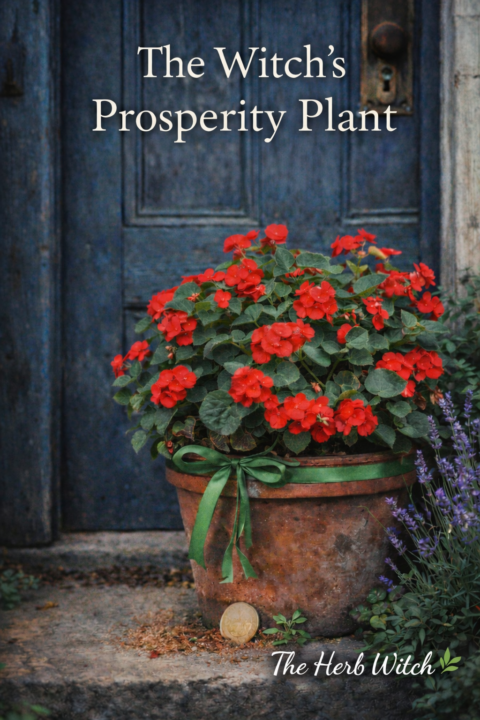
The Witch’s Prosperity Plant A simple prosperity working for your home Many garden witches believe that the red begonia at the doorway not only guards the home, it also draws prosperity toward it. Red carries the energy of life, movement, and attraction. When placed at the entrance of a home, it quietly calls abundance across the threshold. This working takes only a few minutes. What you need • A red begonia plant • A coin (any coin will do) • A small pinch of cinnamon or basil • A little green ribbon or thread Step 1 — Prepare the plant Place the begonia near your front door or porch where people enter. Witches have always placed prosperity plants near entrances because the doorway is where energy flows into a home. Step 2 — Feed the roots Take the coin and hold it in your hand for a moment. Think about money flowing toward you easily. Not struggle. Not chasing it. Just steady flow. Then press the coin gently into the soil near the roots. Sprinkle the cinnamon or basil over the soil. These herbs have long been used by herb witches to wake prosperity energy. Step 3 — Tie the charm Tie the green ribbon around the pot or one of the stems. Green represents growth and continuing flow. As you tie it, say: “Root below and bloom above, Call prosperity to the door I love. Steady coin and fortune grow, Through this home let abundance flow.” Step 4 — Keep it alive Water the plant regularly. Each time you do, remember that prosperity spells are like gardens. They grow when they are tended with attention. A thriving plant becomes a living charm at your doorway. Herb Witch's tip If the begonia blooms heavily, it is traditionally taken as a sign that prosperity energy is active around the home. Old herb witches would smile when they saw that. Because the plant was whispering: Money is on its way. The Herb Witch

1 like • Apr 3
I have a scarlet begonia tatt'd on my right arm.
Jan 21 •
Question of the day!
Quick question for everyone: What’s the one herb you reach for the most in real life?
2 likes • Jan 22
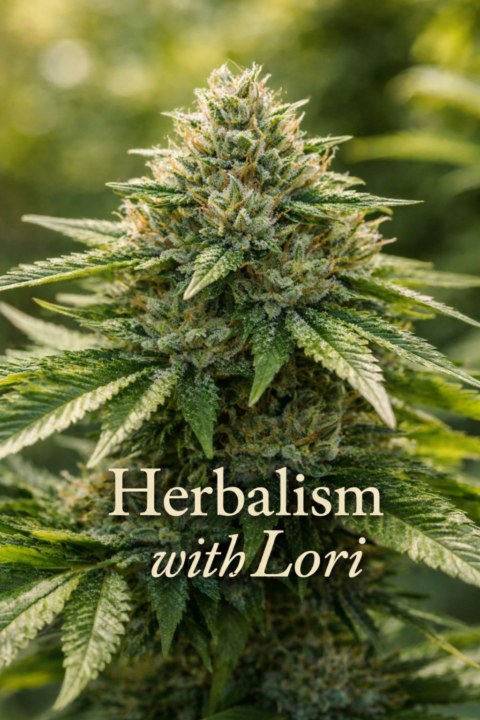
Cannabis is a lifesaver.
3 likes • Jan 26
@Diana Riley same here 👍
Jan 22 •
Lavender, the Overachiever of Herbs
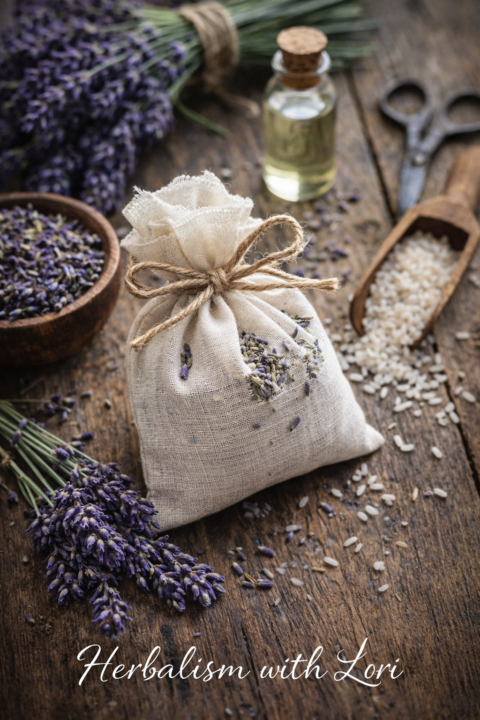
Lavender, the Overachiever of Herbs Lavender is that calm friend who shows up early, smells amazing, and somehow fixes the mood without asking for credit. It’s been used forever for relaxation, sleep, and general nervous-system babysitting. Also, it makes your house smell like you have your life together, which is frankly powerful. Here’s a ridiculously simple lavender recipe that requires zero talent and almost no effort. Lavender Calm Sachet (a fancy name for “smells nice, works hard”) You’ll need: 2 tablespoons dried lavender 1 tablespoon uncooked rice (yes, rice. It keeps things dry and obedient) A small cloth bag, sock, or scrap of fabric you refuse to throw away String, ribbon, or “whatever is within arm’s reach” What you do: Mix the lavender and rice. Put it in the cloth. Tie it shut like you mean it. That’s it. You’re done. Seriously. How to use it: Toss it in a drawer, pillowcase, car, gym bag, or anywhere that smells like stress and regret. Gently squeeze when needed. Inhale. Exhale. Marvel at how something so small is doing more emotional labor than most people. Why it works: Lavender is known for supporting relaxation and sleep, while the rice absorbs moisture so the scent lasts longer. Translation: it stays fresh and keeps showing up. Optional upgrade: add a few drops of lavender essential oil if you’re feeling ambitious, but honestly, it’s already pulling its weight. Simple. Useful. Smells like peace with boundaries. Enjoy 😉 Lori
3 likes • Jan 22
I think cannabis is the overachiever of herbs.
Jan 16 •
Tinctures what are they
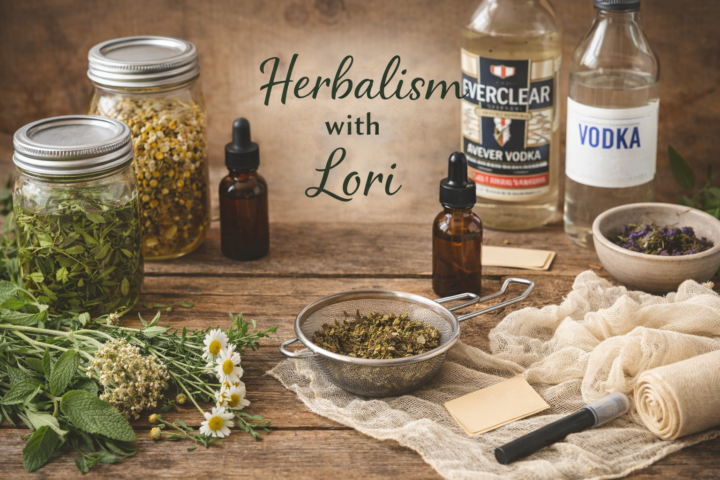
Alright, gather round the metaphorical kitchen counter. We’re talking herbal tinctures, aka “how humans figured out how to trap plant goodness in a jar and call it medicine.” Just plants, patience, and a little alcohol doing the heavy lifting. So… what is a herbal tincture anyway? A tincture is basically herbs soaking in alcohol long enough to give up their secrets. The alcohol acts like that one friend who gets everyone talking at a party. You end up with a strong, shelf-stable liquid extract that lasts years, not weeks like tea. This is why herbalists love tinctures and why your cabinet starts to look suspiciously like a bar. What you need (nothing dramatic) A clean glass jar with a lid Mason jars are fine. No crystal required. Herbs Fresh herbs (chopped) Or dried herbs (even easier, less water) Alcohol Vodka is the crowd favorite. Brandy works. Everclear if you’re feeling bold and respectful of math. A label Because “mystery brown liquid” is not helpful later. Time. Not much effort. Just time. How to make it (the no-nonsense version) Step 1: Fill the jar If using fresh herbs: loosely fill the jar about ¾ full. If using dried herbs: fill about ½ full. Do not pack it like you’re stuffing a suitcase. Step 2: Add alcohol Pour alcohol over the herbs until they are completely covered, plus about an inch on top. Herbs floating above the liquid = sad herbs. Step 3: Seal it and wait Put the lid on. Shake it gently like you’re reassuring it. Store in a dark cabinet. Shake it once a day if you remember. If you forget, the herbs will forgive you. Step 4: Wait some more Let it sit 4–6 weeks. Yes, weeks. This is herbalism, not instant coffee. Step 5: Strain Strain through cheesecloth, a coffee filter, or a fine strainer. Squeeze the herbs. They’ve given everything they had. Pour the liquid into a clean bottle. Step 6: Label it Write: Herb name Alcohol used Date Future-you will thank present-you. How people actually use tinctures A few drops in water or tea
2 likes • Jan 18
What about rubbing alcohol? Not to drink of course.
2 likes • Jan 18
@Lori Jackson I'd like to learn about the vinegar.
Jan 18 •
Top leader board for the week
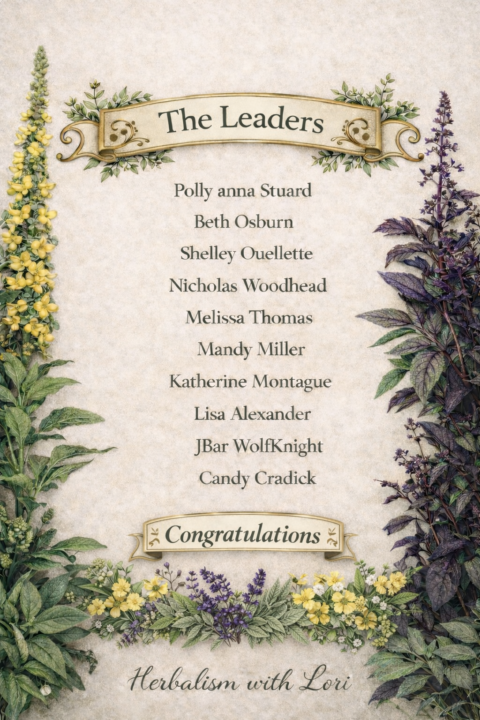
CONGRATULATIONS to our Herbalism with Lori Leaders! You magnificent plant-loving overachievers have officially risen to the top of the herb pile. How did you do it? By doing the absolute unthinkable: You liked things You commented like actual humans You showed up, said words, and didn’t lurk silently in the shadows like a suspicious fern Every like, every comment, every bit of interaction earns you points. Points lead to levels. Levels lead to glory. Glory leads to… well, bragging rights and my eternal appreciation, which frankly is priceless. This leaderboard isn’t about perfection, fancy words, or knowing Latin plant names. It’s about: Being curious Being kind Being present And clearly having excellent taste in herbal groups So if you see your name up there, strut a little. If you don’t yet, start tapping those likes and dropping comments like seeds in fertile soil. This is a living, breathing, growing garden. And participation is how the majick spreads. Now go forth, my herbal troublemakers. Touch the buttons. Earn the points. Climb the chart. 🌿 Herbalism with Lori
4 likes • Jan 18
Are you going to be covering cannabis?
1-6 of 6

Active 64d ago
Joined Jan 17, 2026