Activity
Mon
Wed
Fri
Sun
Sep
Oct
Nov
Dec
Jan
Feb
Mar
Apr
May
Jun
Jul
What is this?
Less
More
Owned by Daniel
For high-performing professionals 35+ who want fat loss without muscle loss and a structured training, recovery and performance
Memberships
Set The Standard
2.5k members • $10/month
🏛️ Coaching Academy
4.2k members • Free
Biohacking Peptide Playground
6.7k members • Free
GLP-1 Real Talk Community
1k members • Free
Free Skool Course
71.5k members • $1
Skoolers
162.2k members • Free
AI Automation Agency Hub
330.4k members • Free
Virtual Income School
255 members • $10,000
Impact Fitness Coach Academy
476 members • Free
49 contributions to Ascend Method

Jun 20 •
Boat Ready 1.0 done!!
60 days.... you showed up and finished where most people fold. genuinely, thank you. this first group set the standard for everything that comes next. one thing left before we close it out: your final check-in. it's the one that locks in your 60-day numbers. look at your phone, i texted everyone the link. 3 minutes and you're done. if you don't see the text, check your spam or filtered messages, it sometimes lands there. heads up: your app access closes in 48 hours. locking in your legacy spot at the founders rate is how you keep it. i'd hate to see you lose the structure right when it finally became a habit. if you want to stay in, jump on the link i texted you, or ask thor for the details. and one more thing. boat ready 2 is already loaded and goes live monday. stay in and you're not coasting into the offseason. you're back to work day one. lets gooo.
0
0

Jun 14 •
the one thing from friday i want you to remember.
friday was a real one. thank you for showing up. for everyone who couldn't make it live, the recording is below. watch it when you have a quiet 45 minutes. ▶ recording link attached ──────────────── if you take nothing else from the call, take this: rationalization is rational lies... we all go in with good intentions. then small things start showing up. i'm busy. i had to travel. i couldn't get out of bed. one missed workout, not a big deal. you've done so good. it's fine. then your brain starts telling you it's okay. here's the scary part. it's a self-defense mechanism. if you can tell yourself it's okay, that you're overworked, then it doesn't feel like quitting. it feels like you made an adult decision. you decided. you handled it. except whatever plan you had ahead of you, the version of you your kids and your partner were going to get, you never hit it. and you don't even remember when you stopped. just be aware when those small lies start creeping up this week. make sure you don't rationalize. ──────────────── if this hits and you want to talk through where you're getting stuck, text Thor or schedule a 1:1 call with me. Thor is our new AI assistant coach in your text messages. he's read every check-in submitted across the cohort, he can pull yours up in seconds, and he'll meet you where you are. any question you have about training, nutrition, sleep, or what's coming up next, he's your first stop. ▶ text thor: +1 (704) 413-3690. (fair warning: he's been known to drop a dad joke when the moment calls for it.) talk soon. Daniel
1
0
Jun 10 •
Get Boat Ready Cohort | Graduation Call (This Friday)
60 days ago you said yes. I didn't know if you'd actually show up. I didn't know if you'd stick after week 3 when the novelty wears off and life starts pushing back. Most people quit. They say they want to change. They buy programs, hire trainers, they do it for four days, and then life gets hard and they fold. you showed up! here's what this cohort actually did across the last 7 weeks (as of last check in): - 88 check-ins submitted (87% of you, week after week) - 360 workouts logged - 220 days of tracked food - 251 days where you hit your protein target - 54 check-ins where you reported a lift went up - 33+ lbs of confirmed weight loss across the loss leaders - a cohort that rates itself 6.8 out of 10 on energy, sleep, mood, and alignment with goals - energy up. sleep up nearly a full point. mood up The wins don't fit on a leaderboard. some of you crushed the scale. some of you held steady while building muscle (the harder game). some of you white-knuckled through life stuff. moves and still showed up week after week. men and women, every gym setup, every starting point. 33+ lbs combined of confirmed loss, 54 reported lift progressions, 87% participation. all of it counts. This Friday at 12:30 Eastern we close the chapter together. graduation call. one hour. i'll walk through what we built, what comes next, and how anyone who wants to keep going gets to lock in a founders rate that will never exist again. heads up on what is launching: - new workout drops monday - Swole Patrol - the 5-day hypertrophy stack for anyone wanting to push lean mass harder - Train With Me - the program where you literally do the split i am doing each week - the AI coach in your text messages is rolling out (and gets smarter next week) - Macro Snap available to the Legacy crew - monthly group office-hours call - audit call access on request friday. be there. Get Boat Ready Cohort | Biweekly Coaching Call Friday, June 12 · 12:30 – 1:30pm Time zone: America/New_York
1
0

May 28 •
You don't have a nutrition problem. You have a visibility problem.
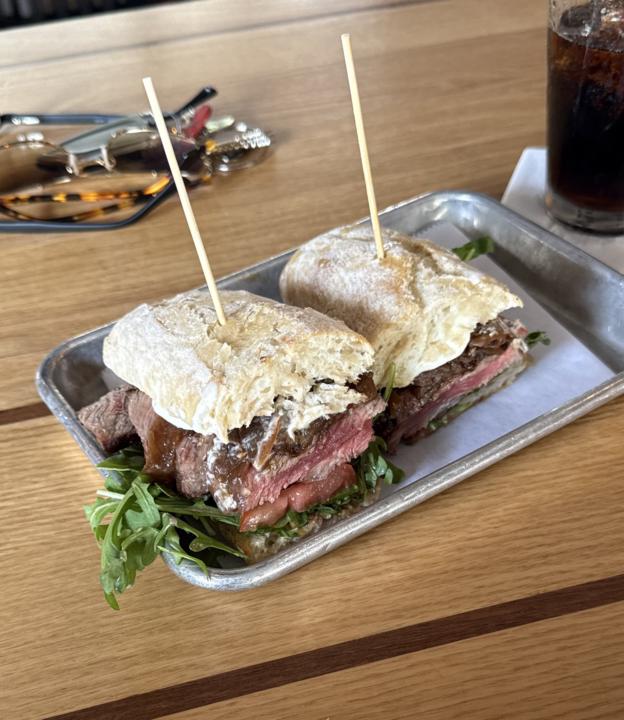
Real quick before Tomorrow's Cohort meeting....@12:30PM ET. Quick question.. and remember I see your check in forms :-) When was the last time you actually logged everything you ate for a full week? Not three days. Not "mostly." Every meal, every snack, every coffee with cream. A full seven days? If you are like most of the people I coach, the answer is somewhere between "a long time ago" and "I have never done it." Here is the thing. It is not because you do not care. It is not because you are lazy. Logging food is a friction problem, and friction wins every time it goes up against a busy day. You skip breakfast logging because the kids need to be at school. You skip lunch because you are in back-to-back meetings. By dinner you are guessing, so you just skip the whole day. That guess-or-skip cycle is what kills nutrition results for almost everyone I work with. Not knowledge. Not willpower. Friction. This is the part where I usually tell people we have to white-knuckle the logging until it becomes a habit. That has been the only answer for a long time. Until now. Everfit just released a tool called Macro Snap. You take a photo of what you are eating. The AI identifies what is on the plate and pulls the macros automatically. No typing. No scrolling through a database. No barcode scanner. 90% detection accuracy from internal testing. 3.5 times higher logging engagement than the old methods. Here is me using it on my lunch. Took a photo of a steak sandwich from the NY butcher shop.. yum. In about five seconds it identified the ingredients (ciabatta, steak, arugula, tomato, mayo) and gave me the full macro breakdown: 757 calories, 49.7g protein, 62g carbs, 34.5g fat. Photos below. Five seconds replaced what used to be five minutes of logging. I will walk through the functionality tomorrow, the good and the limitations. I will also be laying out what continuing with us past June 19 looks like. Get Boat Ready Cohort | Biweekly Coaching Call Friday, May 29 · 12:30 – 1:30pm
3
0
May 27 •
CAAAARRRDDDIIIOOOO... but in the way I like it...
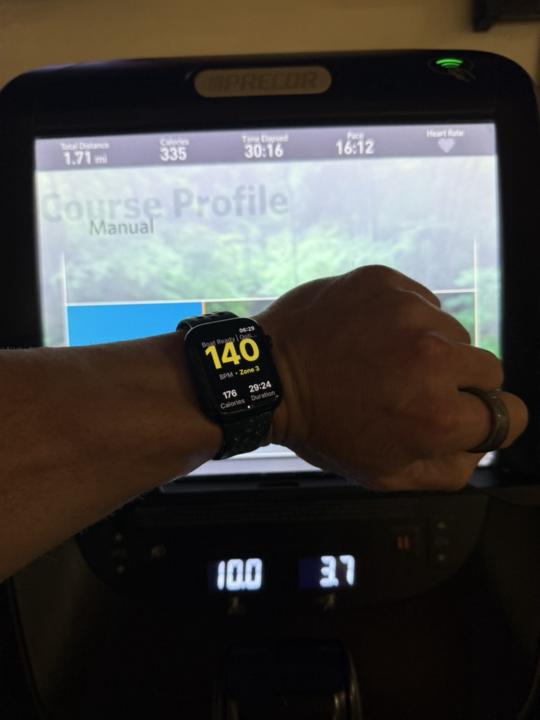
Hi Team! Two reminders before the real topic. 1. If you haven't checked your check in email since Sunday, do that today. Your individual coaching feedback from last week's check-in went out and there are things in there worth seeing. 2. Friday this week is our second-to-last cohort call. 12:30 to 1:30pm ET, the regular Google Meet link. Put it on your calendar if it's not already: https://calendar.app.google/5UykePoY2X8yLyzM6 Now the actual topic... I want to talk about why incline walking is in your program. Two sessions a week, 30 minutes, 10% incline, steady pace, mostly Zone 2 with a little Zone 3 work near the end. A lot of times when people see "cardio" on a program, they assume it has to destroy them to work. That's the social media version of fitness. Sprints, intervals, get on the ground gassed out, that kind of thing. Looks great in a clip. But for most of us, especially those of us who are also lifting hard, that style of training creates more cost than benefit. Excessive fatigue. Joint pain. Burnout. Hunger spikes that wreck your nutrition adherence the same day. Inconsistent follow-through because nobody actually wants to do it twice a week. Incline walking sits in a different zone. Enough intensity to meaningfully improve cardiovascular fitness and burn real calories. Low enough fatigue that you can still lift hard, recover, stay active, and sustain it for years. That last part is the keyword. Sustainability. The "perfect" program that destroys your joints and burns you out is not perfect for anyone who has to keep doing this past age 50. From a longevity perspective, this is one of the highest ROI things you can do. Heart health. Recovery. Fat loss. Work capacity. Joint preservation. Daily energy. Mental clarity. Stress reduction. Personally, my incline walk window is also where I do a bunch of the rest of my life. Sometimes it's motivational content. Sometimes I study, lately a lot of that has been AI and Claude certification material. Sometimes I pray, sometimes I meditate, sometimes I just think. It has become a small investment in physical health, mental health, emotional health, spiritual health, and personal growth all at the same time. A 30-minute window I actually look forward to instead of dread.
1
0
1-10 of 49

@daniel-lindberg-8873
Entrepreneur & former business owner, now building a life beyond corporate. Fitness enthusiast & open-heart survivor, focused on resilience & growth.
Active 5d ago
Joined Dec 30, 2025
Charlotte NC
Powered by