Activity
Mon
Wed
Fri
Sun
Aug
Sep
Oct
Nov
Dec
Jan
Feb
Mar
Apr
May
Jun
Jul
What is this?
Less
More
Owned by Dan
A photography community for people who want to get off Auto, understand their camera in plain English, and take better photos with confidence.
Memberships
Strong Confident Living
3.5k members • Free
Daily Profit Income System
209 members • $19/month
GREAT Community Leaders
772 members • $49/month
Photography Community
4k members • Free
Google Ads Masterclass
14.2k members • Free
MyArtMarketplace.com
227 members • $67/month
The Confident Photographer
109 members • Free
Community Builders - Free
11.6k members • Free
Lifestyle Founders Group™
12.9k members • Free
24 contributions to Dan Cleary Camera Coach

8d •
How to Photograph Fireworks
With the Fourth of July coming up, it is a great time to practice photographing fireworks. The good news is that you do not need a fancy setup, but you do need to take control of your camera. You must use a tripod. Fireworks photography usually requires a slow shutter speed, and handholding the camera will almost always result in blurry images. If you have an off-camera shutter release, use it. Set your camera to Manual Mode. A good starting point for your camera is: ISO: 100 or 200 Aperture: f/8 to f/11 Shutter Speed: 2 to 6 seconds Focus: Manual focus, set near infinity Our modern digital cameras have shutter speeds that go down to 30 seconds, and what you are trying to do is capture 2-4 fireworks in the air at the same time. Turn off your flash. It will not help with fireworks and can distract people around you. Compose your photograph where you think the fireworks will appear in the sky before they begin. Look for something interesting to include in the frame, such as trees, water, buildings, a skyline, or people watching the show. Fireworks by themselves can be beautiful, but adding a sense of place often makes the photograph stronger. Once the fireworks begin, take a few test shots. If the fireworks are too bright, use a smaller aperture, such as f/11 or f/16. If they are too dark, open your aperture up to F5.6 or increase your ISO to 400. The biggest lesson is this: do not just point your camera at the sky and hope. Think about your composition, use a tripod, slow your shutter speed, and adjust as you go. Fireworks are a great way to practice manual exposure because you can immediately see how shutter speed affects the look of the photograph.
1
0

12d •
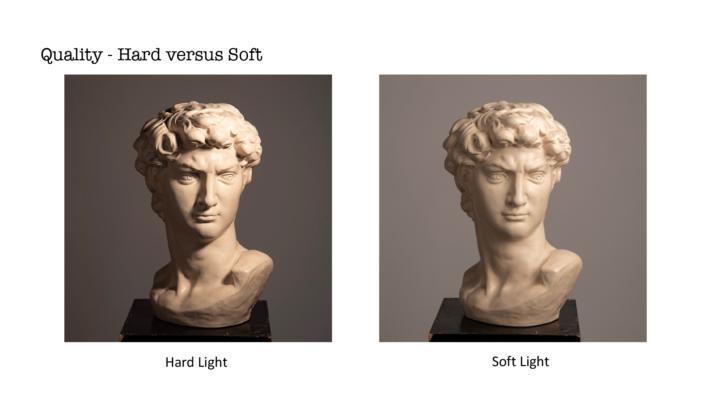
Hard Light vs Soft Light
One of the biggest differences in how your photographs look comes down to the quality of light. In the photography world, we refer to the quality of light as either hard or soft. You look outside, and all you see are clear blue skies. It’s a beautiful day, a great day to go out and take photographs. That might be true. We would call the light produced on this day hard light. The sun appears small in the sky relative to the Earth, producing hard light. Hard light creates strong shadows, bright highlights, and sharp edges between light and dark areas. You often see hard light in direct midday sun. Hard light also comes from the small flash on top of your camera, pointed straight at your subject. It can create drama, texture, and contrast, but it can also be harsh on faces. On another day, the sky is completely overcast. No blue skies. The atmosphere might almost be called gloomy. What is happening? The sun is hitting the tops of the clouds, and now the clouds are the light source. It is a very large light source compared to the Earth. This is soft light. Soft light creates gentle shadows and smoother transitions from light to dark. You often see soft light on an overcast day, in open shade, or near a large window. In the studio, I use a large “Soft Box” light when creating portraits because it provides a diffused, more flattering light. Here is an easy way to remember it: Small light source = harder light Large light source = softer light The sun is huge, but because it is so far away, it appears as a small light source and creates hard shadows. A cloudy sky spreads the light out, making it much softer. For your next photo assignment, photograph the same subject in direct sunlight, then again in open shade or near a window. Look closely at the shadows. That is one of the best ways to see the difference between hard and soft light. Once you learn to see the quality of light, you will immediately start creating better photographs.
1
0
19d •
“How can I do that?” — Understanding Close-Up vs. Macro Photography
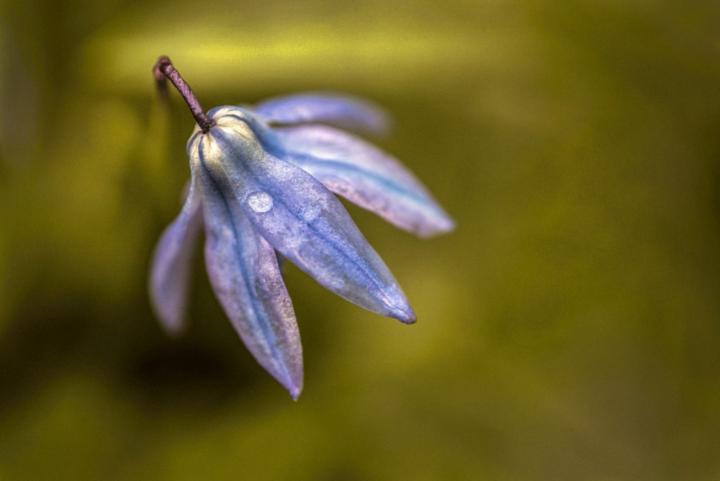
In my last in-person photography class I showed this photograph of a close-up image of a bluebell with a single drop of water on the leaf. Bluebells are a ground cover and flower for a couple weeks in the spring here in Ohio. The flower leaves are about an inch long. One of the students looked at this close-up flower photograph and asked, “How can I do that?” My answer was simple: to create this kind of image, you need to understand the difference between a lens that focuses close and a true macro lens. Many zoom lenses have a close-up feature or may even say “macro” on the lens. That means the lens can focus closer than normal about a foot away from the subject. This is helpful for flowers, leaves, small details, and product shots. But most zoom lenses do not create a true life-size image on the camera sensor. A true macro lens is different. A real macro lens can usually reproduce the subject at 1:1 magnification, meaning the subject appears life-size on the camera sensor. My Nikon 105mm f/2.8 Micro lens is a true macro lens. Nikon uses the word "micro," but in practical photography, it means macro. The other big difference is control. A true macro lens gives you sharper close-up detail, better background blur, and more working distance so you are not right on top of your subject. This photograph works because the flower is small, the lens focuses very close, and the background falls beautifully out of focus. Macro photography opens up a whole new world of details that most people walk past without noticing. A photo challenge for you is find a flower, leaf, coin, watch, or small object and photograph it as close as your current lens will allow. Then notice how close your lens can focus, and how much of the background becomes soft. You may not need to buy a macro lens right away, but understanding what your lens can and cannot do is one more step toward getting off Auto and taking the photographs you imagine.
1
0
22d •
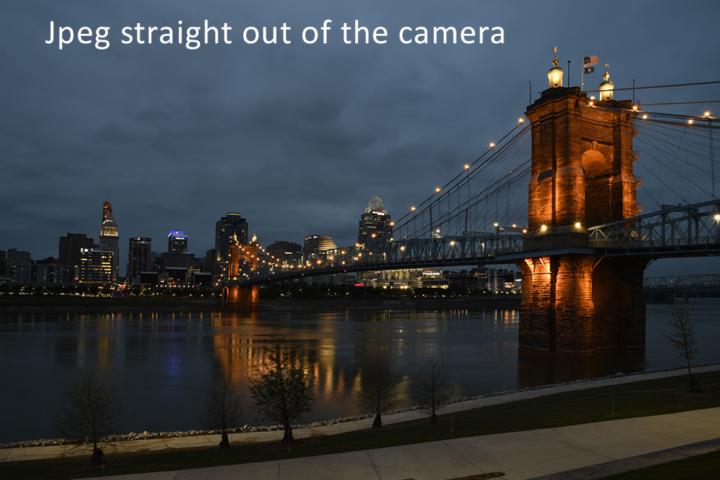
Raw vs. JPEG: What’s the Difference?
One camera setting that can confuse new photographers is the difference between shooting in Raw and shooting in JPEG. A JPEG file is processed by your camera. The camera makes decisions about color, contrast, sharpening, white balance, and compression. JPEG files are smaller because they are a compressed file and are smaller. Compression is the process of making a digital photo file smaller so it takes up less space on your memory card, computer, or website. With JPEG photos, compression reduces file size by removing some image information, which can slightly lower quality if the file is compressed too much. JPEG photos are easy to share, and ready to use right away. They are great for snapshots, quick sharing, and situations where you do not plan to do much editing. A Raw file is different. It is like a digital negative. It keeps much more information from the camera’s sensor, which gives you more control when editing your photograph later. With a Raw file, you can usually recover more detail in bright highlights and dark shadows, adjust white balance more easily, and create a higher-quality final image. The downside is that Raw files are larger and need to be edited before they are finished. Each camera manufacturer has their own Raw file opening software or you’ll need to use Photoshop of Lightroom. If you are using one of the online photo editing website like PhotoPea.com, you can’t open a Raw file there. My recommendation is if you are just starting out and am comfortable using software, try shooting Raw + JPEG. This gives you a JPEG to use right away and a Raw file to practice editing later. Photography is about learning one step at a time. Understanding file types is one more way to take control of your camera and create better photographs. Post any photographs that a Raw file helped create a much better image.
1
0
28d •
Portrait Photography: More Than Just a Picture of a Person
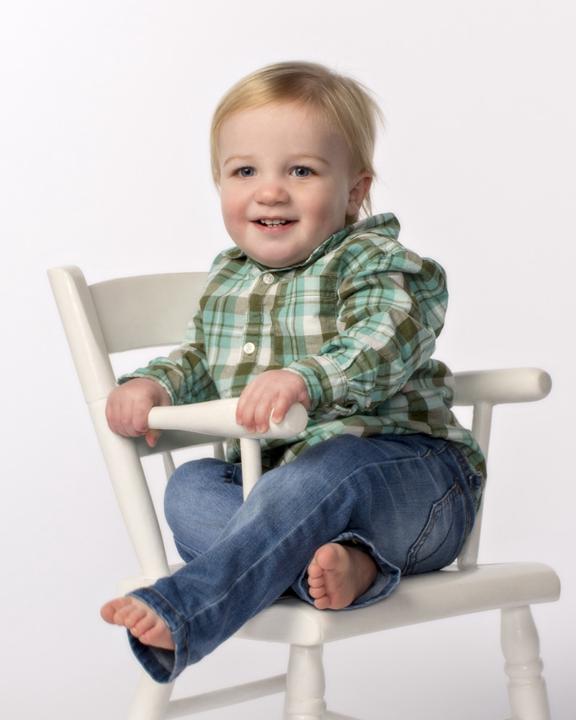
I’ve spent a career photographing people. A good portrait should tell us something about the person, the relationship, or the moment. You can see how different choices create different feelings in these portraits. The family portrait uses a natural outdoor setting to show connection and warmth, the professional business portrait uses soft light and a clean background to communicate confidence, and the children’s portraits focus on expression, innocence, and personality. I always enjoy creating portraits. Before your subject is in front of the camera, make sure all your camera settings are correct so all you have to think about is expression and posing your subject. When you are taking a portrait, think about three things before you press the shutter. What’s my light, background, and expression? Soft light is usually more flattering, a simple background keeps the attention on the subject, and a genuine expression is often more important than a perfect pose. Also notice how the camera angle changes the feeling of the photo. With children and babies, getting down to their eye level makes the portrait feel more personal and natural. With professional portraits, good posture, clean clothing, and a relaxed expression help create a sense of trust and approachability. What’s your challenge? The next time you take a portrait, don’t just ask, “Is this person smiling?” Ask, “What do I want this portrait to say about them?” That small shift in thinking can make your portraits much stronger. Post some of your portraits, and we can talk about what you did correctly and what questions you have.
1
0
1-10 of 24
Active 2d ago
Joined Feb 21, 2026