Activity
Mon
Wed
Fri
Sun
May
Jun
Jul
Aug
Sep
Oct
Nov
Dec
Jan
Feb
Mar
Apr
What is this?
Less
More
Owned by Cody
Free Multifamily Deal Desk + waitlist for our 90-Day Multifamily Sprint. See real deals, trainings, and get first shot at new cohorts.
Memberships
FasterFreedom RE Launch
10.4k members • Free
Skoolers
194.7k members • Free
92 contributions to Haven Investor Network

3d •
Interested in Learning Through Real Deals
Hey everyone, happy to be here. I joined because I want to learn multifamily by seeing real deals and understanding how they are analyzed and structured. I am focused on building a strong foundation and learning what actually works in practice. Looking forward to learning and connecting here.

0 likes • 2d
Awesome John we’ve got some great trainings coming up make sure to keep an eye out! 👀
7d •
🏆 Biggest LOI in Haven's history — just submitted.
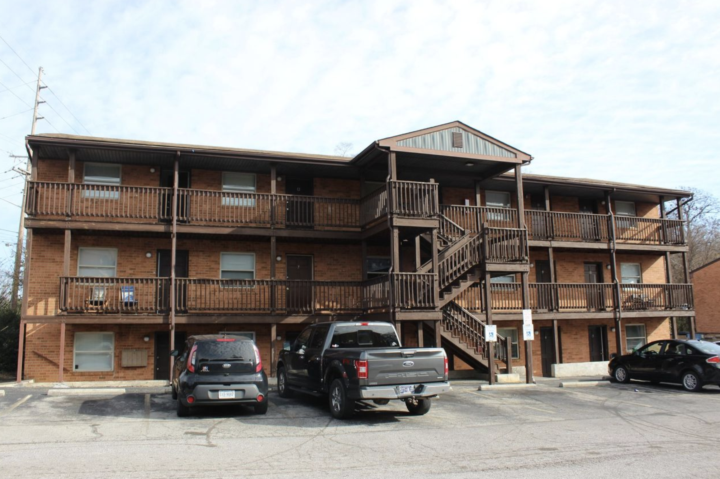
Three years into building our company and today we crossed a threshold I wasn't sure when we'd ever hit. Is there fear? Absolutely. This is the biggest swing we've taken. But fear doesn't get to drive. Faith goes first. We trust the process we've built, the team we've assembled, and the God who opened this door. We just submitted a Letter of Intent on an 81-unit, two-property multifamily portfolio in Roanoke, Virginia — $6,800,000 combined purchase price. Valley View Gardens and Forest Hill. Two properties, one transaction, one vision. This is a true syndication. Here's how the deal is structured: Purchase price $6,800,000 LP equity raise ~$1,985,400 Preferred return 6% non-cumulative Profit split 70% LP / 30% GP Target IRR 17% – 19.5% Target equity multiple 2.10x – 2.25x The waterfall is clean: investors receive their 6% preferred return first, then full capital return at the Year 3 liquidity event (FH sale + VV agency refinance), then 70/30 on everything after that — no further capital hurdle. Year 3 is the inflection point. Forest Hill gets sold at stabilized value, Valley View gets refinanced into agency non-recourse debt at a lower rate — and the combined event targets returning over 100% of investor capital in a single distribution before we ever get to the long-term VV hold. The underwriting is sound, the market is right, and the people around us are the right ones to execute. If we ink this LOI and move to contract — this community will have the opportunity to invest alongside us. That's the whole point of building this together. More updates as they come. Pray it up. 🙏
0 likes • 7d
@Jay S Thanks! Time will tell if we get this worked out but it's an exciting opportunity

Mar 19 •
Land needed in Texas
I talked to a MHP developer over the weekend, that's looking for land to plop down 300 pads. Here's his criteria. Parker and wise county 80-100 acres. Up to 17,500 an acre. Would need to back up to a FEMA flood zone. North Houston is a possibility. I can send anything there his way also, and let him look at it.
1 like • 7d
@Charles Rice give @Lexi Gilbert a shout!

8d •
120-Acre Development Opportunity in Benton, AR
I have a solid 120-acre parcel available in Benton, Arkansas, located right across from the airport. It’s currently zoned Residential Ag and is a great play for a large-scale project. The Breakdown: 📍 Location: Benton, AR (Airport adjacent) 📐 Size: 120 Acres 💰 Price: $50k/acre If you’re a serious investor or buyer looking for a development play in this area, drop a comment or shoot me a DM and I’ll share the full details!
1 like • 7d
Love it Lexi! 🤜🤛
9d •
Reporting/Banning Users
Thank you to those that notify us of anyone in the community trying to self promote or sell lending services. While we like to collaborate as much as possible, we're trying to foster a constructive community inside Haven Investor Network. If you see any posts that do not seem to be legit or someone offering crazy financing terms that seem to good to be true. Please continue to report!

1-10 of 92
Active 2h ago
Joined Jun 8, 2025
Virginia
Powered by