Activity
Mon
Wed
Fri
Sun
Oct
Nov
Dec
Jan
Feb
Mar
Apr
May
Jun
Jul
Aug
What is this?
Less
More
Owned by Cody
Untrained dogs into trusted, loyal companions.
3 contributions to Dog Nutrition & Wellness Hub

Mar 5 •
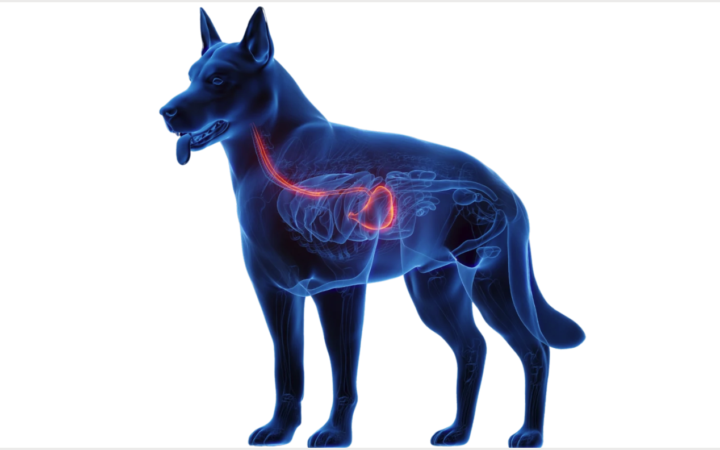
Twisted Stomachs, Stolen Lives Recognizing the Warning Signs of GDV 🤯
Imagine your dog’s belly ballooning in just minutes; this is GDV, a terrifying twist on ordinary “bloat.” One minute your pup seems fine; the next, life-threatening shock can hit. Without emergency surgery, GDV is often fatal. 🤯 ✅ What Is GDV — and How Is It Worse Than Simple Bloat? 🤔 The term “bloat” sometimes just refers to gas buildup (gastric dilatation). But GDV is a far scarier scenario: not only does the stomach fill with gas, but it also twists, cutting off blood flow and wreaking havoc on internal organs, quickly. 🔥 ✅ Who’s at Greatest Risk? Large, deep-chested breeds are top of the list; especially older dogs or those with a family history of GDV. Commonly affected breeds include Great Danes, Dobermans, Irish Setters, Weimaraners, Standard Poodles, Saint Bernards that top the list, but many other large breed dogs can be victims. Neutered male dogs have a slightly higher risk than females, and dogs with anxious or fearful temperaments are more prone, too. 😕 ✅ What Raises the Odds? Research shows that GDV-prone breeds that gobble food quickly or swallow a lot of air while eating can have an increased risk if fed from raised feeding bowls1 or eat once a day2. I feed Homer, my slow-eating terrier (not a high-risk breed), once daily to create a “feeding window” of calories that stimulates autophagy (cellular detoxification), which comes with a cascade of other beneficial health outcomes, including lower incidence of GI, dental, orthopedic, kidney/urinary, and liver/pancreas disorders3, but always from a porcelain slow-feeder bowl. If I owned a higher risk breed, I would split daily calories into two meals, 6-8 hours apart, which still allows for ample time to “rest and digest” (and cellularly repair the body). 🐶 In one study, Great Danes fed home-prepared meals with larger sized meat chunks (>30mm) had a lower bloat risk than dogs fed canned/pureed food or smaller-sized kibble pieces4. A 2006 study found dogs eating ultra-processed kibble with oils listed among the first four ingredients also increased the risk. There’s no good reason to over supplement seed oils to pets (other than the small amounts necessary to meet alpha linolenic acid, ALA, nutrient requirements in homemade diets), and they certainly shouldn’t appear among the first four ingredients of any thoughtfully formulated pet food.

🍀
0 likes • Mar 5
One rule I have, and you can tell me if this is a good idea or not, is that I always exercise dogs before they eat and not right after. I usually give them 30 minutes to an hour after they eat a meal before we go out to be more active.
Feb 26 •
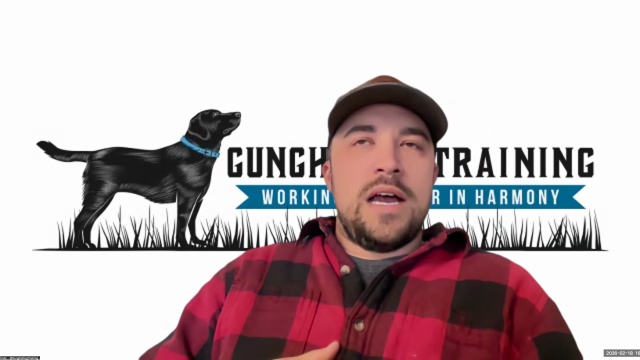
1st Zoom Call with Trainer Cody! 😎
This is a live recorded training session featuring Cody Axtelm, owner of Gung Ho Dog Training, sharing his expertise on dog training fundamentals. Cody discusses his background growing up in a family that bred Labrador retrievers and how losing his childhood dog Midnight motivated him to learn proper training techniques. He covers essential topics including when to start training puppies (as early as 8 weeks), the differences between training hunting dogs versus family pets, and addresses common behavioral issues like resource guarding and the 'leave it' command. The session includes practical advice on puppy socialization, the importance of structured training phases, and how to work with dogs of different ages and breeds. https://rickmaraj67.wistia.com/medias/rt929ajrk8
🍀
1 like • Feb 27
Great to jump on a call with you and talk dogs and life! thank you for having me.
Dec '25 •
Ask your most concerning question live!!
I am planning on having weekly “live” zoom sessions starting in Jan 2026! Stay tuned for schedule! You will be able to ask your most concerning questions directly to pet-professionals-vets, trainers and pet nutritionists!! Drop your comments here for any suggestions!

🍀
0 likes • Dec '25
What are the major side effects we see when people do not pay attention to their dog’s nutrition?
1-3 of 3
🍀
@cody-axthelm-7902
Transforming dogs into trusted, loyal companions.
- Gungho Dog Training
Active 2h ago
Joined Dec 30, 2025
INTJ
Ellensburg, WA