Activity
Mon
Wed
Fri
Sun
Aug
Sep
Oct
Nov
Dec
Jan
Feb
Mar
Apr
May
Jun
Jul
What is this?
Less
More
Owned by Clinton
BBQ Smoker Builders Community is a community focused on helping members build or repair their BBQ Smokers and Grills.
Memberships
Let it shine welding academy
31 members • Free
Welding/Fab SKOOL
527 members • Free
Welding for Beginners
60 members • Free
Smoke, Flow & Grow
318 members • Free
Low & Slow BBQ/Smoking Group
151 members • Free
Texas Backyard BBQ and More
39 members • Free
The secret ingredient
19 members • Free
Backyard SmokeMaster Society
103 members • Free
Texas Smoke Skool
25 members • Free
17 contributions to BBQ Smoker Builders Community

May 21 •
BBQ Heat Deflector
A BBQ heat deflector (also known as a heat setter, plate setter, or diffuser) is a critical accessory used to turn a direct-heat grill into an indirect-convection oven. It acts as a physical barrier between the fire and your food, preventing the intense radiant heat from charring the exterior while allowing hot air to circulate and cook the food evenly. Why You Need One Without a deflector, food placed directly over coals or burners receives intense, focused heat. A deflector is essential for: - Low and Slow Smoking: Ideal for brisket, ribs, or pulled pork. - Roasting: Perfect for whole chickens, turkeys, or large roasts. - Baking: Allows you to use your grill like a traditional oven for pizza, bread, or even cookies.
0
0
May 12 •
Does your BBQ Smoker Need A Collector.
Whether you need a collector (often called a "smoke collector") on your BBQ smoker depends entirely on the design of the smoker and your goals for airflow and temperature management. Collectors are primarily used on offset smokers to bridge the gap between the cooking chamber and the exhaust stack.
0
0
May 4 •
Building a BBQ smoker
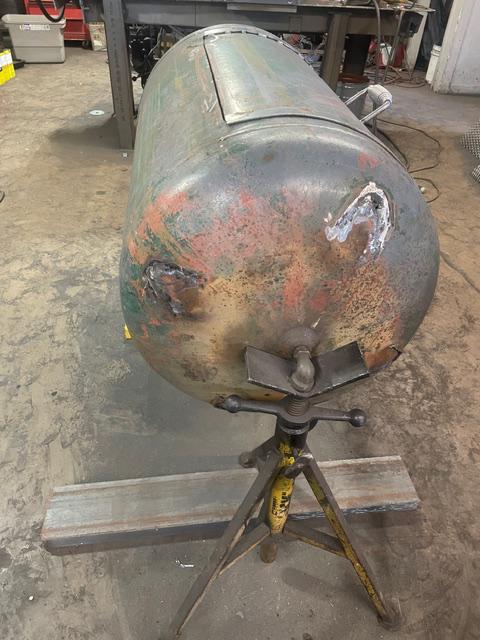
Building a BBQ smoker can be a challenging yet rewarding project that tests and improves your welding skills. I can help with your project. https://www.skool.com/bbq-smoker-builders-community-1300/about
0
0
May 4 •
Repairing your Smoker
Sometimes building a new smoker is not in the cards. You may have a heavy-duty unit that just needs touching up. You may have questions that I can answer or help with.
0
0

1-10 of 17
@clinton-parker-8767
I am a metal fabricator with over 20yrs experience. I build BBQ Smokers and Grills. I help people turn their desire to build their own smoker.
Active 34d ago
Joined Apr 29, 2026
Hammond, IN