Activity
Mon
Wed
Fri
Sun
Aug
Sep
Oct
Nov
Dec
Jan
Feb
Mar
Apr
May
Jun
Jul
What is this?
Less
More
Owned by Christina
A Belizean woman’s unfiltered diary. the good, the bad, & beautiful. My journey back home to my roots, my people, and myself. Come sit with me.
Memberships
AI That Works For Businesses
286 members • $5/m
Ghost Operator Method
5 members • Free
Women Speakers Launchpad
1k members • Free
GHL Foundry
485 members • Free
Automate With Agents
51 members • Free
9 months to $1 Million
91 members • Free
AI Money Group | Learn AI = $
457 members • $49/month
The AI Creators Club (Public)
185 members • Free
The Ai Agency - Free Resources
1.6k members • Free
19 contributions to The School of Thyme & Wisdom

Apr '25 •
Worms in Your Garden: Who's the Pest and How Bt Can Help
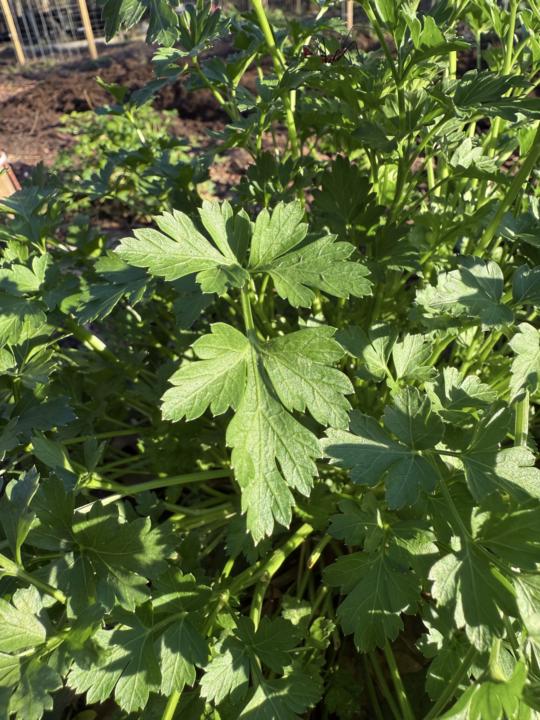
Herb gardens are a delight—fresh basil, fragrant rosemary, zesty cilantro—until some uninvited worms crash the party. Not all worms are troublemakers, but a few pesky culprits can turn your herbs into a buffet. Let’s meet the usual suspects and see how Bacillus thuringiensis (Bt) can save the day! The Worms 1. Cutworms: These sneaky little larvae love to chew through tender herb stems at soil level, toppling your plants overnight. Basil and parsley are prime targets. 2. Armyworms: True to their name, these voracious eaters march through your garden, stripping leaves from dill, chives, or anything green in their path. 3. Cabbage Worms: Don’t let the name fool you—they’ll happily munch on more than cabbage. These green caterpillars adore cilantro and other leafy herbs. 4. Tomato Hornworms: While they’re famous for tomatoes, these chunky pests won’t say no to nearby herbs like basil or oregano if they’re in the mood. Earthworms? They’re the good guys, aerating soil and breaking down compost—no need to worry about them! Bt to the Rescue Enter Bt, the garden’s natural bouncer. This soil-dwelling bacterium produces proteins that are toxic to these leaf-munching pests but safe for humans, pets, and beneficial bugs like bees and ladybugs. It’s like a VIP list—only the bad worms get kicked out. To use Bt, pick up a spray or powder form from your garden store. Mix it as directed, then lightly coat your herb leaves, focusing on areas with nibble marks. The pests eat the treated foliage, and within a day or two, they’re done for—no harsh chemicals needed. Apply it in the early morning or late afternoon to avoid sun breakdown, and reapply after rain or if you spot new invaders. With Bt in your toolkit, those herb-munching worms won’t win this year. Your herbs will stay lush, flavorful, and ready for your next culinary masterpiece or herbal tincture! BUT- do not spray herbs or plants (like the parsley pictured) who are hosting the butterflies you love!

2 likes • Apr '25
@Holly Ross yikes
Jan '25 •
Help A Fellow Academy Member!
@Julie Robinson Broussard is trying to unlock level 3! So, go like her posts and comments! She only needs 4 more points!
2 likes • Jan '25
@Julie Robinson Broussard whoop
3 likes • Jan '25
@Allison Creighton same
Dec '24 •
What are you most proud of in 2024?
This is not an herb or gardening post, its a people post- As we wrap up 2024, what are you most proud of that happened or you accomplished in 2024? My proudest moment was when my daughter #3 graduated from law school having already signed up to join Navy as a JAG lawyer. She went on to pass the bar first try. She is pictured below with my husband and me along with my 94 year old grandmother.

2 likes • Dec '24
@Allison Creighton whoop whoop ! 💗
2 likes • Dec '24
@Allison Creighton I love the sound of that! He sure does. Can’t let that fear step in.
Dec '24 •
NEW COURSE! How To Make An Herbal Tincture!
Good Morning! New course added! Click the classroom tab above and find the new course for making a tincture there. I love tinctures, they are my go-to for herbal medicine. You can make a powerful healing tincture with common herbs you can grow in a pot on your patio- such as rosemary and oregano.
2 likes • Dec '24
@Holly Ross yeay !!!!
3 likes • Dec '24
@Holly Ross i have been wanting to know how to do this
Nov '24 •
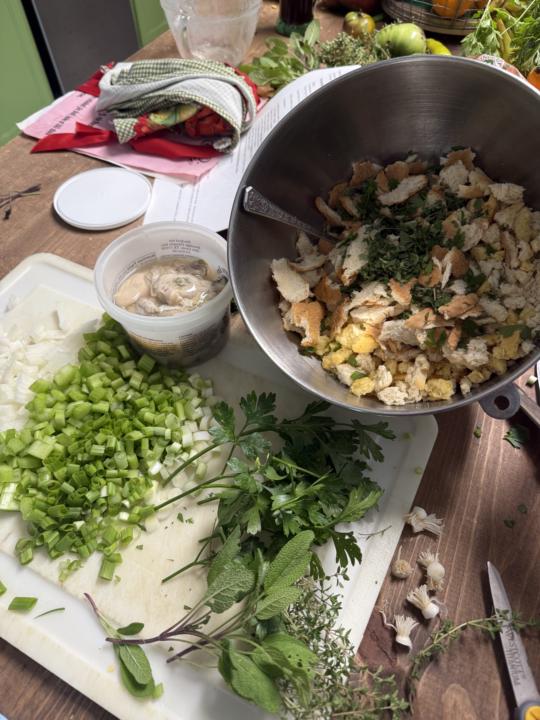
Thanksgiving Herbs
Here in America, today is Thanksgiving! In the South, parsley, sage, and Thyme are essential to a good dressing (sort of like stuffing). What are your Thanksgiving herbs?
2 likes • Nov '24
Happy Thanksgiving my beautiful friend @Holly Ross
1 like • Dec '24
@Holly Ross I did ❤️
1-10 of 19

@christina
Lost my mind and found my soul. 🪷⚪️
The journey back to self through heartbreak and disappointment. 💔🫶🍋
Follow the yellow brick road 🇧🇿🏝️
Active 13d ago
Joined Oct 3, 2024
New Orleans
Powered by