Activity
Mon
Wed
Fri
Sun
Aug
Sep
Oct
Nov
Dec
Jan
Feb
Mar
Apr
May
Jun
What is this?
Less
More
Owned by Channing
Music feel confusing? Boring? Learn it painlessly and quickly, apply it on your instrument, and get REAL coaching that makes it click.
Anyone who wants to learn how to play the sax or relearn, learn music theory, or learn how to ace auditions. 1:1 coaching and personalized instruction
Memberships
Music Educator Success Online
161 members • Free
Creator Conservatory
216 members • Free
Business Builders Club
8k members • $33/month
OBB1 Community Navigator
227 members • $7/month
The Content Revenue Lab
1k members • Free
the skool CLASSIFIEDS
1.9k members • Free
Start Your Skool Community
108 members • $79/month
The Cosmic Calm Sanctuary
66 members • Free
Gluten Free Cooking
81 members • Free
312 contributions to Mack's Music Collective


🔥
0 likes • 4h
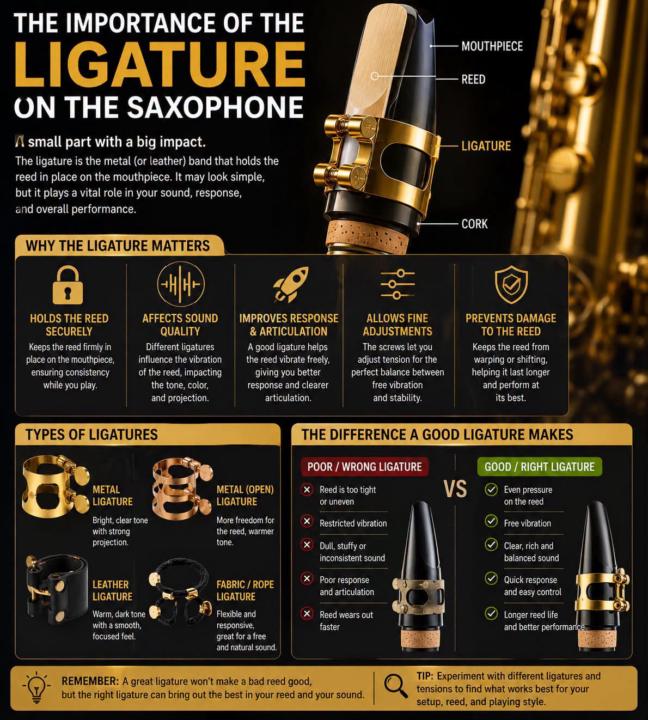
Interesting find. In my 25 years of playing the sax, I can honestly say I haven't messed with different ligatures too much. Different types of mouthpieces, Yes. But haven't given much thought to the ligatures.
🔥
4h •
WELCOME NEW MEMBER!!!
Welcome @Aaa Qqq !! Feel free to introduce yourself, post, comment, and discuss!! We are glad you are here with us!
0
0

🔥
1 like • 2d
@Isa Kuromiya It's all good. I'm usually up at 3am when I post these things. Lol. I sleep very much lol
🔥
0 likes • 1d
@Isa Kuromiya I've been told that before lol. Its all good. I think it's a side effect of 17 yrs in the military. Lol.
🔥
4d •
Good Monday Morning Everyone!! 🎉
Hope everyone had a restful weekend and are ready for another exciting week! Hopefully the week doesn't turn out to be too long for anyone. Is there anything anyone is looking forward to this week or hoping to accomplish?

🔥
2 likes • 3d
@Isa Kuromiya Tomplay is a good resource. I use it a lot for myself and for my beginner students (better selection of songs than a lesson book). Tomplay also has the ever fun pratice scales and such if you haven't found those on their yet to add to your routine. Lol.
🔥
1 like • 2d
@Isa Kuromiya Chromatics...usually gets a lot of groans from my younger students. Lol.
🔥
3d •
Some Chords Pull Harder Than Others
Harmony creates emotional gravity. Some harmonies feel: - Stable - Final - Restful Others feel: - Pulled - Suspended - Unsettled Professional composers control how long gravity is resisted. Challenge: Create a harmonic moment that: - - Avoids resolution longer than expected - OR - Resolves sooner than expected Discussion How did expectation shape the tension?
1
0

1-10 of 312

🔥
@channing-mack-6082
Musician/Certified Teacher. Helping you realize your musical potential with expert guidance and personalized instruction without the BS.
Active 4h ago
Joined Oct 11, 2025
Columbus, IN