Activity
Mon
Wed
Fri
Sun
Aug
Sep
Oct
Nov
Dec
Jan
Feb
Mar
Apr
May
Jun
Jul
What is this?
Less
More
Owned by Celenia
A Safe Place To Talk About Your Grief.
Memberships
Amplif-AI Your Business™
754 members • Free
DIGITAL SUCCESS HUB
257 members • Free
Lazy Sales/AI Closing Code Hub
2.5k members • Free
Simcha Healthcare
97 members • Free
AI for Beginners
1.3k members • Free
Simcha Hub of Pet Physiology
41 members • Free
SKOOL PARTNERS ⭐️🚀
1.5k members • $9/month
2nd Act Now
78 members • Free
🔹Digital Boss Skool Hub🔹
749 members • Free
12 contributions to Simcha Hub of Pet Physiology
🔥
14d •
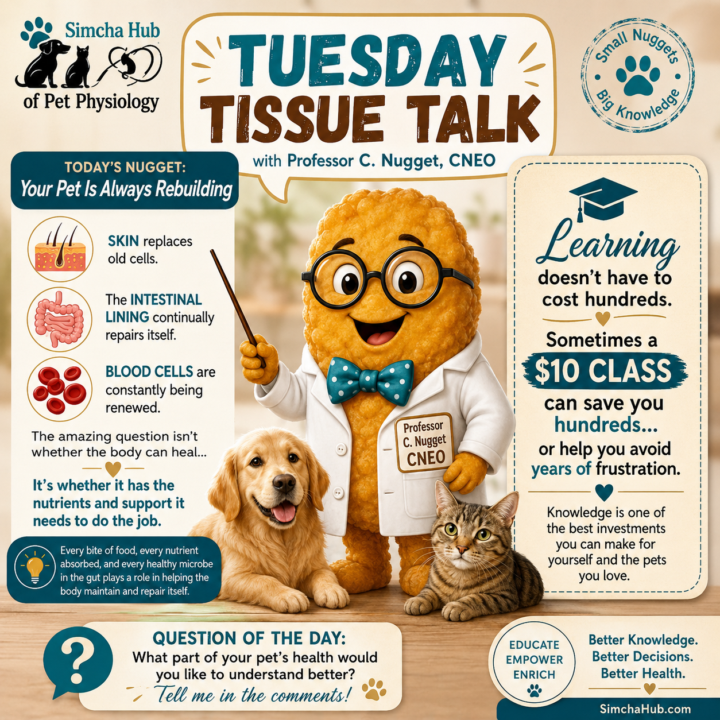
Tuesday Tissue Talk with Professor C. Nugget, CNEO
Today's Nugget: Your Pet Is Always Rebuilding Did you know your pet's body is constantly repairing and renewing itself? Skin replaces old cells. The intestinal lining continually repairs itself. Blood cells are constantly being renewed. The amazing question isn't whether the body can heal... It's whether it has the nutrients and support it needs to do the job. Every bite of food, every nutrient absorbed, and every healthy microbe in the gut plays a role in helping the body maintain and repair itself. What you feed your pet is so important. Don't always believe the marketing of pet food. Learning doesn't have to cost hundreds. Sometimes a $10 class can save you hundreds in unnecessary expenses, or help you avoid years of frustration by giving you the knowledge to make more informed decisions. Knowledge is one of the best investments you can make for yourself and the pets you love. Question of the Day: What part of your pet's health would you like to understand better? Tell me in the comments! — Professor C. Nugget, Chief Nugget Education Officer (CNEO)
2 likes • 14d
Itching. Flea control. It’s really bad here. So many remedies I’ve used. And they still come back!
2 likes • 14d
[attachment]

0 likes • 14d
[attachment]
🔥
15d •
Professor C. Nugget's (IP) - 4th of July Nugget
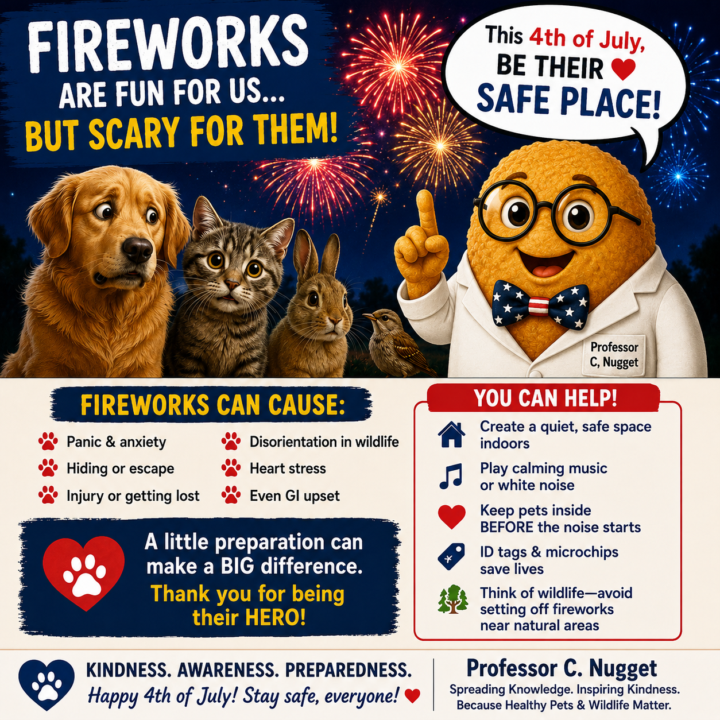
You may have noticed a cheerful little chicken nugget that I created (IP) showing up in my posts last week. I actually joked about making him a mascot. Well..... 🤣 Allow me to introduce him. Professor C. Nugget (IP) is the official mascot of the Simcha communities. His mission is simple: Turn complex science into bite-sized knowledge.🐾 Make learning about pet physiology engaging. Help people better understand their own health, nutrition, the microbiome, and wellness. And remind us that learning doesn't have to be boring. Don't laugh. I have big plans for the little Professor 😁 Whether the topic is the gut microbiome, nutrition, behavior, physiology, pets, or seasonal safety, Professor C. Nugget will be sharing practical tips, evidence-based insights, and an occasional smile along the way. Because when knowledge is easy to understand and fun, everyone benefits. Today's Nugget - the 4th of July is just days away. Fireworks may only last a few minutes for us, but for many animals, the fear and effect on their physiology, can last much longer. Every year, thousands of pets run away and go missing after being startled by fireworks. One in five pets, dogs and cats, disappear due to fireworks. Birds abandon nests, wildlife flee into dangerous areas, and many animals experience extreme stress from the loud explosions. Before the fireworks begin: Keep pets indoors in a quiet room. Play calming music or white noise. Make sure collars, ID tags, and microchip information are up-to-date. Teach your children about keeping pets safe and secure during fireworks. Make sure doors, fencing and gates are secure. Children are not paying attention. Stay with anxious pets if you can. Don't forget wildlife. The woods, fields, and parks are home to countless animals who have no idea what's happening. Fireworks near natural areas can disrupt nesting birds, separate young animals from their parents, and trigger dangerous panic responses. A little planning can save lives, and reduce suffering.
2 likes • 14d
[attachment]
🔥
14d •
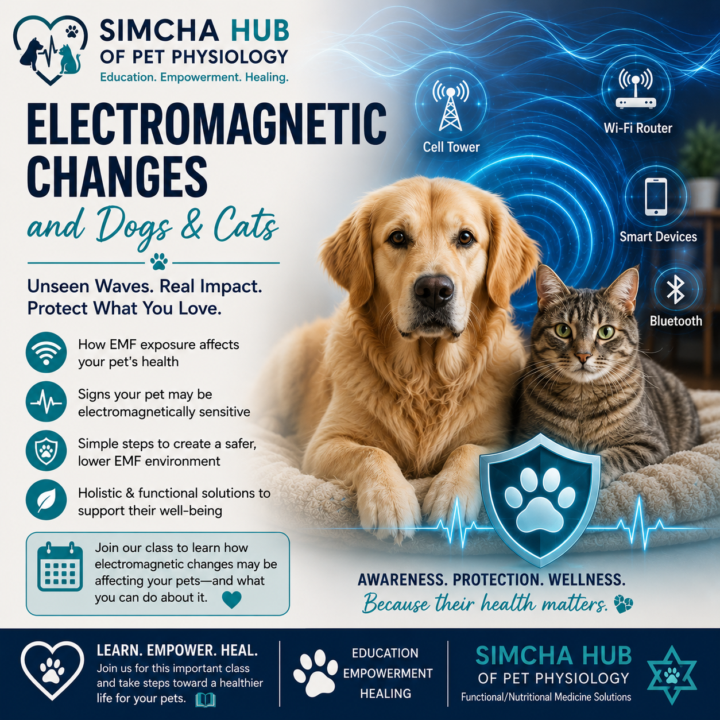
NEW CLASS HAS DROPPED IN THE CLASSROOM
How Electromagnetic Changes Hit Dogs and Cats This class will REALLY make you think about your pets. You will look at them totally different. It includes a section on fireworks. Enjoy!
1 like • 14d
[attachment]
1-10 of 12
@celenia-figueroa-3452
Mother of an Angel in the sky. No one knows that pain more than a parent. I created Grief In Full to Honor My Daughter taken too soon.
Active 10d ago
Joined May 4, 2026
Lawton, Oklahoma (Ft.Sill)
Powered by