Activity
Mon
Wed
Fri
Sun
Aug
Sep
Oct
Nov
Dec
Jan
Feb
Mar
Apr
May
Jun
Jul
What is this?
Less
More
Memberships
Dakoda Herbals Academy
133 members • Free
2 contributions to Dakoda Herbals Academy

11d •
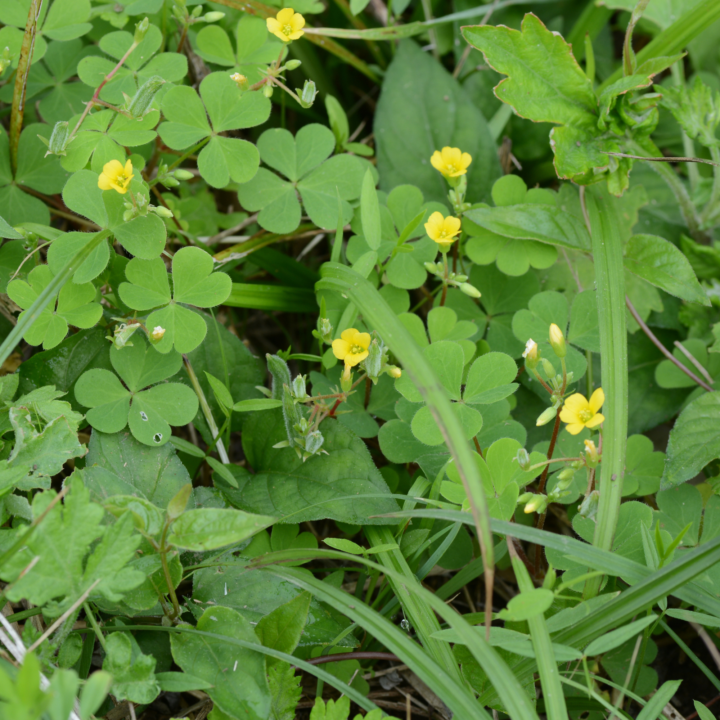
Plant Spotlight, Wood Sorrel (Oxalis)
If you've ever seen tiny heart shaped leaves carpeting the ground and thought they were clover, there's a good chance you were actually looking at wood sorrel. Despite its common name, wood sorrel isn't related to true sorrel (Rumex species). Instead, it belongs to the genus Oxalis, a group containing hundreds of species found around the world. How did it get its name? The name Oxalis comes from the ancient Greek word oxys, meaning "sharp" or "acid," referring to its pleasantly tart flavor. The common name "wood sorrel" comes from both that sour taste and the fact that many species naturally grow in woodlands and shady forests. What does it taste like? The leaves have a bright, lemony, tangy flavor thanks to naturally occurring oxalic acid. Many people enjoy nibbling a leaf while hiking or adding small amounts to salads, soups, pestos, herb butter, or as a garnish. The cheerful flowers are edible too. Different types you may encounter: There are hundreds of Oxalis species, but these are among the most common: • Yellow Wood Sorrel (Oxalis stricta), one of the most widespread wild species in North America. • Creeping Wood Sorrel (Oxalis corniculata), a low growing species that often develops reddish stems and can spread quickly. • Violet Wood Sorrel (Oxalis violacea), a beautiful native species with striking lavender flowers. • Pink Wood Sorrel (Oxalis debilis), commonly grown as an ornamental in warmer climates. Although they vary in appearance, many species share the same characteristic heart shaped leaflets and tart flavor. Traditional herbal uses: Historically, wood sorrel has been used in small amounts in traditional herbal practices as: • A cooling herb. • A gentle digestive bitter and appetite stimulant. • A mild diuretic. • A source of vitamin C before citrus fruits became widely available in some regions. • A fresh poultice in some folk traditions for minor skin irritations and insect bites. Modern clinical research on wood sorrel as an herbal medicine remains limited, so most medicinal uses are based on historical and traditional practice rather than strong clinical evidence.

0 likes • 8d
@Alexandria Dierkes-Whitson just dug up some corms yesterday when repotting mine.. freakin SCORED
9d •
Weekly Materia Medica Series: Therapeutic Terms A-Z
C is for Cytophylactic Welcome back to our Weekly Materia Medica: Therapeutic Terms A-Z series! One of the biggest hurdles when learning herbalism is all the unfamiliar terminology. My goal with this series is to break down these words into simple, practical concepts that you can actually remember and apply. This week's term is: Cytophylactic (sigh-toe-fill-AK-tik) The word comes from: - Cyto- = cell - -phylactic = protective So, a cytophylactic herb is traditionally described as one that helps protect cells and supports healthy tissue regeneration. Rather than magically creating new cells, these herbs are traditionally valued for supporting the body's own natural repair processes and maintaining healthy tissues. These herbs are often chosen to support: ✨ Skin health ✨ Tissue repair ✨ Healthy wound healing ✨ Connective tissue ✨ Overall cellular resilience Some classic examples include: Gotu Kola – Traditionally used to support connective tissue, collagen production, and wound healing. Rosehips – Rich in vitamin C, which plays an important role in normal collagen formation and tissue health. Lavender – Traditionally used topically to soothe irritated skin and support the healing environment of minor skin irritations. Frankincense – Traditionally prized in skincare and wound-care preparations for its soothing and skin-supportive properties. Let's discuss! Can you think of any other herbs that you would consider supportive for healthy tissue repair or skin health? Have you used any of these herbs yourself? Drop your thoughts below! 🌿👇 Stay tuned for nexts weeks term! As always, herbal traditions complement, not replace, professional medical care. Individual herbs have different safety considerations, so always research contraindications before use.
2 likes • 8d
Comfrey.. just transplanted my seedlings to a proper container like literally 2 minutes ago 🙏
1-2 of 2

@carisa-minturn-9325
50yr old single mom with a 19yr old full-time college student. I'ma GenXer, so I live off sarcasm and organic coffee. Also quite the "Ghetto MacGyver"
Active 8d ago
Joined Jun 16, 2026