Activity
Mon
Wed
Fri
Sun
Nov
Dec
Jan
Feb
Mar
Apr
May
Jun
Jul
Aug
Sep
What is this?
Less
More
AI Tools & Training Club
7.9k
$33/m
The Raw Course Launch Lab
610
5.0
Free
The Closers Network
22.4k
Free
Skool Course
36.7k
$29/m
Connect & Collab with Éva+
605
5.0
Free
Éva's Skool Growth Blog
70
Free
KDP Publishing
2k
5.0
$59/y
the skool CLASSIFIEDS
2.1k
5.0
Free
Next Level
317
Free
7 contributions to KDP Publishing

🔥
Mar 22 •
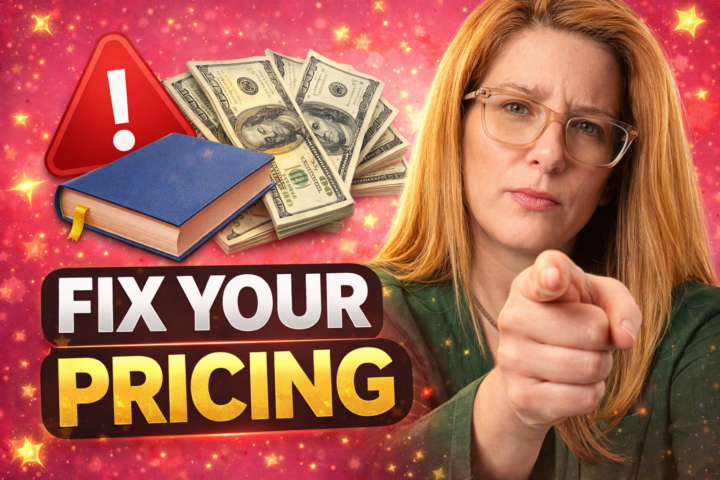
I Screwed Up My Pricing (Learn From My Mistakes)
I’m going to be real with you for a second because I messed up… and it cost me money. This month alone, I likely missed out on an extra $64–$128+ in royalties. If I really sat down and calculated this over the past year… yeah, we’re not doing that math today 😅 But here’s what happened...and more importantly, what you can learn from it. When I launch a new book, I usually price my ebook low (around $2.99) to get early traction. The goal is to drive initial sales, build momentum, and help the algorithm start picking it up. That part? Solid strategy. The problem is… I never went back and updated the pricing on a bunch of my books. And that’s where I dropped the ball. My usual pricing strategy is to bump ebooks up to $4.99–$5.99 after the launch phase. Not only does that increase royalties per sale, but it also helps position the paperback as the better value, which is where I like to drive most of my revenue. But I had multiple books just sitting there… still priced at $2.99… while continuing to get consistent ebook sales. So every single one of those sales? I was leaving $1–$2 on the table. That adds up FAST. Today, I finally paused, reviewed my numbers, and caught it. I went back through my catalog and updated my pricing across the board. Lesson learned. 👉 Don’t just focus on launching your books—manage them like assets. 👉 Set a reminder to revisit your pricing after your promo period ends. 👉 Small tweaks like this can quietly increase your income without creating anything new. Mistakes happen. But if you’re paying attention, they turn into opportunities. Go check your pricing… you might find some hidden money sitting there 👀
2 likes • Mar 23
Excellent strategy. I do that with my courses - start some low or even free - then get a few dozen students, a few reviews an then raise the price. That has worked very well for me for years - with courses. Now I will follow your lead and try the same with my books.
🔥
Mar 20 •
This Could Go Completely Off the Rails 😂
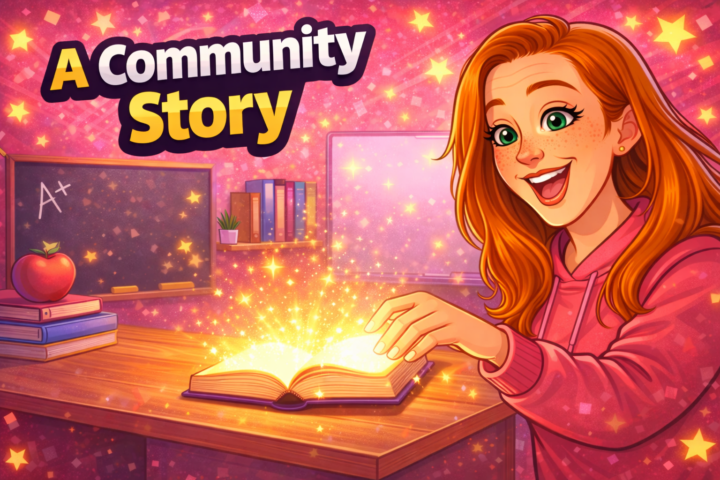
Let’s build a story together 👀 I’ll start with one sentence…and each person adds the NEXT sentence in the comments. Build on to the story by creating the next sentence. If you see someone typing, wait for their sentence and then type yours out, building on theirs Let’s see where this goes 😂 Here's the first sentence: 👉 The moment she touched the glowing book, she was transported to a magical place. Your turn 👇 (Only ONE sentence per comment—no overthinking it, just keep it going)
8 likes • Mar 20
Then she woke up... and thought what a strange dream.
🔥
Feb 17 •
Confession: I Don't Write Books
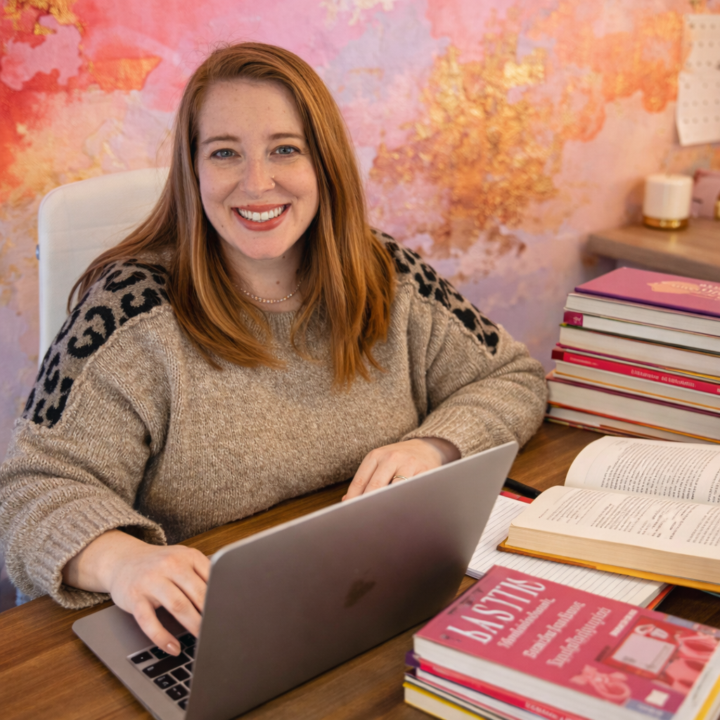
You might not know this about my process, but I outsource a lot of the work that goes into creating a book...and that’s intentional. I approach books with a publisher mindset, not an “I need my name on everything” mindset. My time matters, and for many projects, I hire ghostwriters and publish under pen names. I’m not trying to be a public expert on every topic I publish in—I’m focused on building assets. Outsourcing does cost money, and it’s always a choice, not a requirement. It depends entirely on your goals. I’ve worked with ghostwriters, cover designers, narrators and professional formatters depending on the project and timeline. That said, here’s the part I think matters most 👇 Before you outsource anything, you should learn every step of the process. I can do 100% of it myself if I need to. 👉 And because of that, I know: - Which parts I don’t enjoy - Which parts take me way too long - Which parts are better left to professionals for a more polished result That clarity only comes after you’ve done the work at least once. So I’m curious… If budget wasn’t a factor, what part of the book process would you outsource first? 👀 Drop it below 👇
4 likes • Feb 17
I like that process and that's what I am working to build. I have written a few books and so far have done it all myself - with a little cover design and formatting help from my office manager (wife). She is a graphic artist - I am not - so I prefer not to design covers or any other graphics (other than give the description and the idea of it to an artist to create). I love the ideas, the information, the stories, and the content - I would outsource every other part of it if not an issue. Ideally though to my own TEAM if I had one... I like the way Patterson writes his books (as a BUSINESS) and seek to model that to an extent. Editing and formatting I really do NOT enjoy - hence why my finished novel is still not published yet... ; )
🔥
Feb 6 •
Let's Talk Legal - Copyright
If you’re self-publishing, your book absolutely needs a copyright page. This is one of those small details that signals “this is a real book,” not a rough draft. 👉 What a copyright page does: - Establishes legal ownership of your work - Tells readers how the content can (or can’t) be used - Protects you if someone copies or republishes your content - Makes your book look professional and complete The good news? You don’t need to write this from scratch. 🛠️ Formatting Tools Make This Easy If you’re using a formatting tool like Atticus- this is the one that I used for text-heavy books, but they do have built-in copyright page templates. 💥 Atticus includes built-in copyright page templates that: - Auto-populate standard copyright language - Let you quickly add your author name, pen name, or publisher name - Keep everything formatted correctly for Amazon KDP In most cases, you just select the copyright page, fill in a few fields, and move on. No guesswork. No Googling random templates. ❓ Do You Need to Buy a Copyright? Short answer: No, not to publish your book. In the U.S. (and many other countries), copyright is automatic the moment you create original work and put it in tangible form (like a manuscript). That said, there is an optional extra step. 🔐 When You Might Want to Register Your Copyright You can officially register your copyright through the U.S. Copyright Office. This is optional, but some authors choose to do it because: - It gives you stronger legal protection if someone steals your content - It allows you to seek statutory damages in court If you want to do this, you can get started at copyright.gov. Most authors publish first and only register later if their book gains traction or contains high-value content. ✅ Bottom Line - Your book needs a copyright page - You do not need to purchase a copyright to publish - Tools like Atticus already include templates so you don’t have to think about formatting - Official registration is optional, not required

1 like • Feb 7
Great information. This is also needed by many people and a good reminder for all others. I see copyright violations every single day across all types and platforms - and it's a wonder far more people do not get sued. YouTube is just one example - great platforms - but so accessible (which is good!) that many that publish content there have no clue at all what they are doing and just blatantly copy and steal other peoples work and publish it as their own. The other end is many authors/creators who wrongly think it must be registered to be copyrighted (NOT TRUE as your post clearly indicates). This is an area of information and training where lots of people need to spend more time and effort in learning what is and is not correct. Thanks for the information!
🔥
Jan 28 •
What Kept You Stuck Before You Started?
Most people in here are building (or planning to build) an online business. But let’s be honest—almost none of us started right away. 😱 Was it: - Fear of failing (or being judged)? - Not enough money? - Feeling like you didn’t know enough yet? - Being way outside your comfort zone? Now here’s the interesting part 👀 When you started thinking about writing your book… did the same thing show up again? Fear, overthinking, waiting for the “right time,” second-guessing yourself? 👉 Drop a comment: - What held you back then? - And did you notice any overlap when it came to starting your book? No wrong answers—patterns are where the breakthroughs usually start. **Funny side note I searched "stuck" in the GIFs and saw this image pop up and this is exactly why my son has a fear of the BIG POTTY. I'm actively in a potty training process and he only insists on using the kids potty**

2 likes • Jan 28
Excuses. I hate to admit it. I could have already had 100 or more books published (I have a few and my first 500 page novel is written - I am editing and getting ready to publish it - a month and counting late past my own deadline). I like to say (to myself) other work and responsibilities took up time I needed, but truly that's all BS. I MAKE time for things I choose to do... I just put off doing the work that needed to be done. Why? IDK... other than just making excuses and not getting it done. It's weird... 99.5% there and just holding. Dragging it out and taking much longer than it needs to take.
1-7 of 7
@louis-sewell-4136
Author, Designer, Publisher, Instructor and Entrepreneur. I write books, create online courses, teach live training classes.
Active 26d ago
Joined Jan 9, 2026
Powered by