Activity
Mon
Wed
Fri
Sun
Aug
Sep
Oct
Nov
Dec
Jan
Feb
Mar
Apr
May
Jun
Jul
What is this?
Less
More
Owned by Blu
Addict II Athlete helps individuals overcome addiction by replacing negative habits with fitness, healing, and community support.
Memberships
38 contributions to Addict II Athlete


5d •
The Power of Showing Up
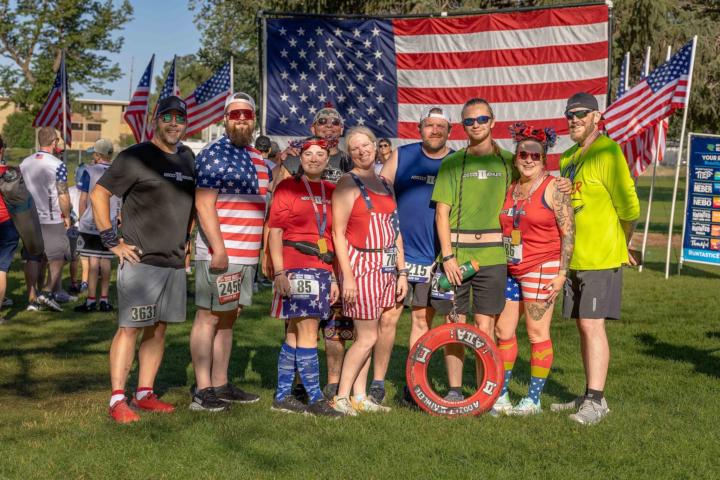
Hey Athletes! Have you ever noticed some days you don’t “fix” anything, you just kind of arrive? That’s what showing up is: not performing recovery, but being present with your people while recovery does its slow, honest work. Thats the The Power of Showing Up for your team. We like to talk about breakthroughs. But the truth is, a lot of recovery looks like this: - You show up even when you don’t feel brave - You text even when you don’t know what to say - You listen even when you want to solve - You run your part of the relay even if your legs are heavy Because teammates don’t only celebrate the win. They hold the line when someone’s doubt gets loud. “Showing Up” Isn’t a Mood, It’s a Choice. When you’re part of a team, you learn something recovery teaches fast: feelings change. But commitment can stay. So what does showing up do for Addict II Athlete teammates? It creates a bridge where words fail. It turns “I’m alone” into “I’m still here.” It reminds each other that the next exchange matters because the next exchange is how the relay moves forward. A Simple Challenge for This Week; Choose one teammate. Then do the smallest version of showing up: - Send a “thinking of you” message - Share one thing you did today (even if it’s tiny) - Offer a ride, a check-in, or a seat at the table - Say, “I’m in this with you,” and mean it The goal isn’t to be perfect. The goal is to be present long enough for hope to catch. Recovery isn’t built only in the moments you’re shining. It’s built in the quiet, repeated decision to show up for the person next to you. That’s what teammates do. That’s what Addict II Athlete is.
10d •
Roll Call
Hey Athletes; How are you all doing out there? The good, the bad, the ugly, lets talk.
0 likes • 10d
@Loki Skarsgard Awesome brother, see you at the starting line!!
2 likes • 10d
@Tyson Anderson Leave the heat down there will you!!
11d •
The Holiday Plan That Keeps You on Track (Even When It Gets Loud)
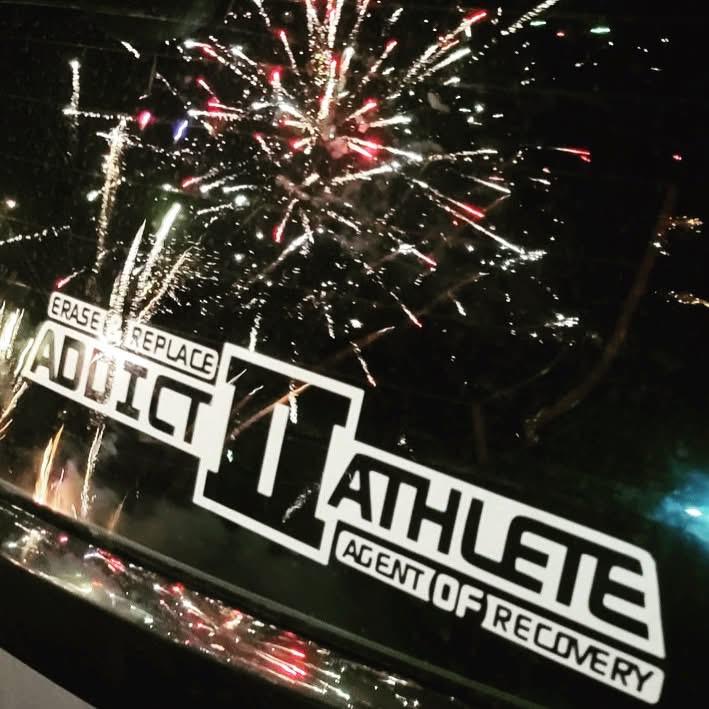
Hey Athletes, holidays can feel like “just one day,” until your nervous system, routines, and support system get thrown off track. In recovery, that’s exactly when impulsive choices become more likely especially when alcohol, late nights, emotional triggers, and social pressure show up at the same time. This piece is a practical guide for building a simple plan going into this Saturday’s Fourth of July, so you’re not negotiating with your cravings in real time. Why a holiday plan matters (especially when relapse risk is real) A plan protects you from the most common trap in early recovery: waiting until you feel like “you can handle it” to decide what you’re doing. Holidays compress decision-making into narrow windows: you wake up later, eat differently, travel farther, sleep less, and you spend more time around people, places, or moods that previously powered unhealthy patterns. When that happens, your brain isn’t operating from “principles” it’s operating from *states*. And states don’t care about what you meant to do. A clear plan before the holiday matters because it: - Reduces decision fatigue. The more choices you leave for the moment, the more your willpower has to do backflips. - Prevents “mood overrides.” Feelings don’t ask permission. A plan tells you what to do before the mood gets loud. - Keeps you aligned with your recovery identity. You’re not “someone who can’t handle weekends.” You’re someone who trains recovery on purpose. - Creates boundaries before people test them. If you decide your limits at 9:47 PM with everyone talking over you, you’ll be negotiating while overwhelmed. The real enemy isn’t the holiday, it’s impulsive decision-making. In the moment, your brain often frames the next choice like it’s the only choice. That’s the illusion. The Addict to Athlete framing: recovery is training, not punishment Athletes don’t rely on motivation to show up they rely on routines, warm-ups, and pre-game strategy. Recovery works the same way. Think of this Fourth of July like a competition moment. Your job isn’t to erase feelings. Your job is to respond with training. When cravings show up, they’re not a verdict. They’re information. When emotions rise, they’re not instructions. They’re signals. Your plan turns signals into actions. And this matters: you don’t need a “perfect” day. You need a day that keeps you moving in the direction of your goals, one small clean decision at a time.
1 like • 10d
@Jason Gonzales love it brother!!
13d •
Breaking the Stigma: Why I Reject the Once an Addict, Always an Addict Mentality
More doc footage for you to see as I talk about my journey challenging the harmful stigma surrounding addiction and why I founded Team Addict to Athlete with a completely different philosophy. I share a pivotal moment in 2011 when I heard professionals dismiss people struggling with addiction, which sparked my realization that the old tough love model doesn't work. Instead of teaching powerlessness, I focus on empowering individuals to reclaim their lives and see their potential. I explain why I believe recovering out loud rather than staying silent is crucial anonymity, while helpful for some, perpetuates stigma and prevents people from connecting with the support they need. I highlight how the running community has embraced our athletes, recognizing them not as addicts, but as resilient individuals who have survived unimaginable trauma and pain.

1-10 of 38
@blu-robinson-1853
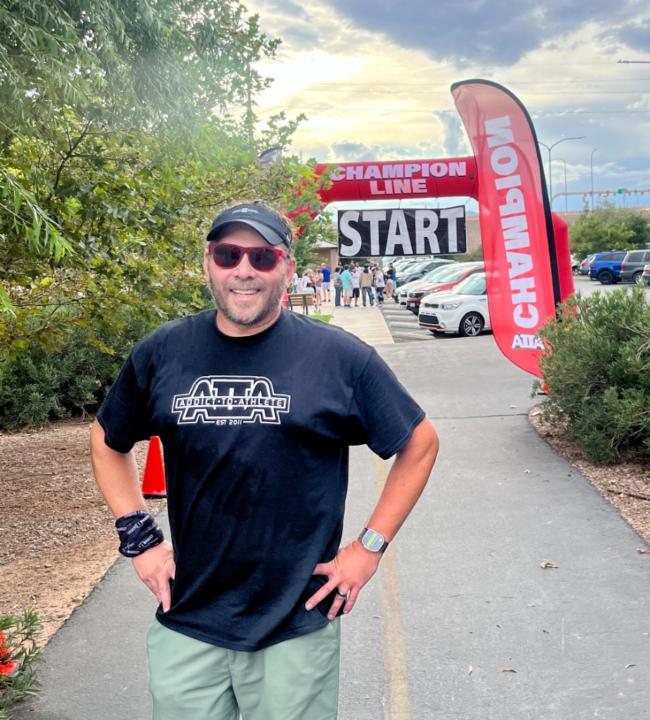
Blu Robinson, CMHC & SUDC, founder of Addict to Athlete, sober since 1996, turns his past struggles into a message to help others heal.
Active 14h ago
Joined Sep 8, 2025