Activity
Mon
Wed
Fri
Sun
Aug
Sep
Oct
Nov
Dec
Jan
Feb
Mar
Apr
May
Jun
Jul
What is this?
Less
More
Memberships
Ask Lynne: Health Educator
19 members • Free
24 contributions to Ask Lynne: Health Educator

🔥
3d •
Summer Stomach Bug - 18 States
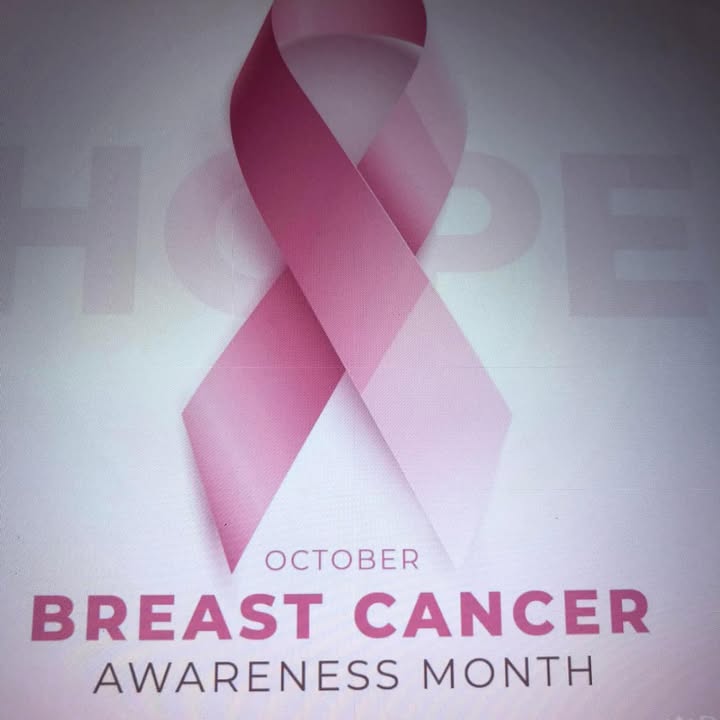
*From time to time, Ask Lynne will focus on health news that's affecting a large population — either globally, in the USA, or in Canada* The CDC is investigating a surge of parasitic illness across 31 states this summer. Confirmed cases currently: 843 cases of cyclosporiasis acquired in the United States, reported across 31 states, with Michigan alone accounting for a huge share of that spike. 𝐂𝐲𝐜𝐥𝐨𝐬𝐩𝐨𝐫𝐢𝐚𝐬𝐢𝐬 𝐢𝐬𝐧'𝐭 𝐚 𝐧𝐞𝐰 𝐢𝐥𝐥𝐧𝐞𝐬𝐬 𝐠𝐥𝐨𝐛𝐚𝐥𝐥𝐲, but this year's case count is notably higher than usual for this time of year, which is why it's making headlines now. 𝐅𝐨𝐫 𝐦𝐨𝐬𝐭 𝐡𝐞𝐚𝐥𝐭𝐡𝐲 𝐚𝐝𝐮𝐥𝐭𝐬, 𝐭𝐡𝐢𝐬 𝐢𝐥𝐥𝐧𝐞𝐬𝐬 𝐢𝐬 𝐮𝐧𝐩𝐥𝐞𝐚𝐬𝐚𝐧𝐭 𝐛𝐮𝐭 𝐧𝐨𝐭 𝐝𝐚𝐧𝐠𝐞𝐫𝐨𝐮𝐬 - watery diarrhea sometimes described as "explosive" - cramping and nausea - fatigue and low-grade fever - loss of appetite 𝐓𝐡𝐞 𝐭𝐫𝐢𝐜𝐤𝐲 𝐩𝐚𝐫𝐭 𝐢𝐬𝐧'𝐭 𝐭𝐡𝐞 𝐬𝐲𝐦𝐩𝐭𝐨𝐦𝐬 — 𝐢𝐭'𝐬 𝐭𝐡𝐞 𝐝𝐢𝐚𝐠𝐧𝐨𝐬𝐢𝐬. 🟢 𝐘𝐨𝐮𝐫 𝐭𝐞𝐬𝐭 𝐫𝐞𝐬𝐮𝐥𝐭𝐬 𝐦𝐢𝐠𝐡𝐭 𝐜𝐨𝐦𝐞 𝐛𝐚𝐜𝐤 "𝐧𝐨𝐫𝐦𝐚𝐥." This is the part I really want people to understand, 𝐢𝐭'𝐬 𝐭𝐡𝐞 𝐤𝐢𝐧𝐝 𝐨𝐟 𝐠𝐚𝐩 𝐭𝐡𝐚𝐭 𝐥𝐞𝐚𝐯𝐞𝐬 𝐩𝐚𝐭𝐢𝐞𝐧𝐭𝐬 𝐜𝐨𝐧𝐟𝐮𝐬𝐞𝐝. Cyclospora isn't picked up by a standard stool culture. If your doctor orders routine lab results (blood work and stool tests) and Cyclospora isn't specifically part of the panel, it can slip right through — even if it's what's actually making you sick. ASK "𝐂𝐚𝐧 𝐲𝐨𝐮 𝐭𝐞𝐬𝐭 𝐬𝐩𝐞𝐜𝐢𝐟𝐢𝐜𝐚𝐥𝐥𝐲 𝐟𝐨𝐫 𝐂𝐲𝐜𝐥𝐨𝐬𝐩𝐨𝐫𝐚?" That one question is a small, but powerful piece of healthcare navigation. Spead is through food or water contaminated with it — not from person to person. Past outbreaks have been linked to - Fresh cilantro and basil - Spinach and mixed lettuce blends - Raspberries and other fresh berries. Geography offers some clue about where cases are showing up, but it's 𝐧𝐨𝐭 𝐚 𝐫𝐞𝐥𝐢𝐚𝐛𝐥𝐞 𝐬𝐡𝐢𝐞𝐥𝐝. The beginning of this spread has not been pinned down. See a doctor when: diarrhea lasts more than a few days — you have ongoing fatigue or loss of appetite — symptoms improve and return. 𝐓𝐡𝐞 𝐛𝐞𝐬𝐭 𝐞𝐯𝐞𝐫𝐲𝐝𝐚𝐲 𝐩𝐫𝐞𝐜𝐚𝐮𝐭𝐢𝐨𝐧 𝐢𝐬 𝐬𝐢𝐦𝐩𝐥𝐲 𝐰𝐚𝐬𝐡𝐢𝐧𝐠 𝐟𝐫𝐞𝐬𝐡 𝐩𝐫𝐨𝐝𝐮𝐜𝐞 𝐭𝐡𝐨𝐫𝐨𝐮𝐠𝐡𝐥𝐲. Most people recover on their own eventually, but treatment (a specific antibiotic) can shorten the illness considerably — which is exactly why getting the right test results matters.
1 like • 3d
This is so good to know, thank you!
1 like • 2d
@Lynne Vella i’ve always just washed my food with water, however, after reading the information from Ryeden, I may go that route.
🔥
7d •
Tuesday Term: Cortisol
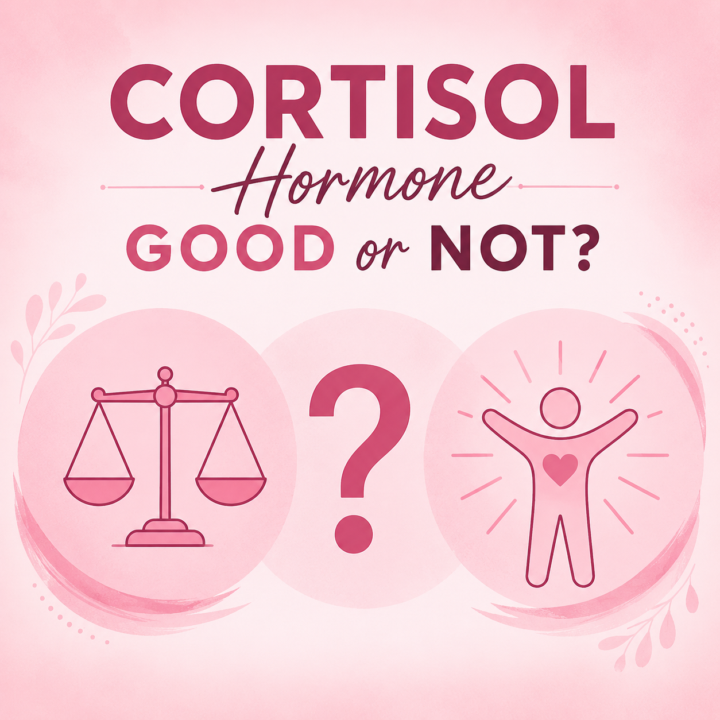
Do you think stress was only in your mind? Now you can understand that cortisol affects the whole body—and there are healthy ways to respond. Cortisol is often called the body's "stress hormone." It's made by your adrenal glands and plays an important role in helping your body respond to stress. In the short term, cortisol is helpful. It increases your energy, helps regulate blood sugar and blood pressure, and prepares your body to deal with a challenge. The problem begins when cortisol stays high for long periods because of ongoing stress. Over time, this can affect your mood, sleep, memory, immune system, blood pressure, weight and heart health. What can help keep cortisol in a healthy balance? 😴 Get enough quality sleep. 🚶 Move your body regularly, such as walking or gentle exercise. 🧘 Practice relaxation techniques like deep breathing or meditation. 🥗 Eat regular, balanced meals ☕ Limit excess caffeine if it increases your stress or anxiety. 🤝 Stay connected with supportive family and friends. 🌳 Spend time outdoors, go outside to relieve immediate stress 🎨 Make time for activities you enjoy. 💚 Talk to a healthcare professional if stress feels overwhelming or doesn't improve. 𝐇𝐞𝐚𝐥𝐭𝐡 𝐄𝐝𝐮𝐜𝐚𝐭𝐨𝐫'𝐬 𝐍𝐨𝐭𝐞: Cortisol isn't a "bad" hormone. Your body needs it every day. The goal is balance—not eliminating stress completely. Understanding medical terminology like this is a simple way to build your own health literacy. 𝐂𝐨𝐦𝐦𝐮𝐧𝐢𝐭𝐲 𝐍𝐨𝐭𝐞: The "Tuesday Term" will most often relate to the Monday Theme. We will visit the theme on and off throughout the week. Remember: regardless of theme you can ask any questions you need answered always. That is the center of what Ask Lynne is about! How Can I Help More? Reach out if I can help you more. Quick questions and topic ideas are always welcome. If you want a private conversation, DM Lynne Vella and your questions and answers will remain private if that is your preference. 💚 It's Safe to Ask Here
0 likes • 4d
I was subjected to an environment that created very high cortisol levels, I can only imagine, in my body for many years, and only recently have been trying to lower those levels as much as possible. It was not something I understood at the time when I was in that environment, and it took removing myself from it that I was able to actually realize the damage it had caused and how high my cortisol levels must’ve been.
🔥
4d •
Ask Lynne Trivia Poll (2)
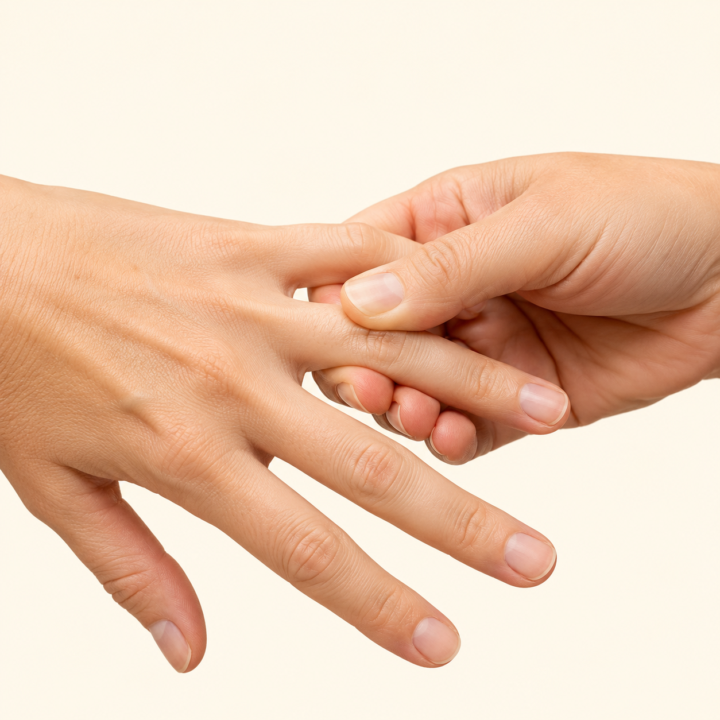
🩺 Is cracking your knuckles harmless, or are you damaging your joints? What do you think? Are we dooming ourselves to arthritis when we do this? 𝐌𝐲𝐭𝐡 𝐨𝐫 𝐅𝐚𝐜𝐭? Cast your vote before you look up the answer! 👇 You can just cast a vote, but a brief explanation of why you are choosing true or false in the comments would be fun. It's ok to guess! A little health literacy trivia never hurts. 💚 It's Safe to Ask Here.
Poll
4 members have voted
1 like • 4d
Personally, I have always thought that cracking your knuckles cannot be good. However, I am pretty sure that the sound that you hear is actually air and not the actual joint, so that’s why I chose false. But I could be wrong!
🔥
4d •
🎉 Big milestone for Ask Lynne — we just hit 20 members!
What started as a small idea has grown into a real community of people helping each other make sense of confusing diagnoses, bloodwork, and everything in between. Health information shouldn't feel like a foreign language, and every question asked here helps someone else feel less alone in figuring theirs out. Here's to the next 20, 200, and beyond — as we keep breaking down the jargon and helping more people walk into their doctor's appointments feeling informed and confident. 💙 How Can I Help More? Reach out if I can help you more. Quick questions and topic ideas are always welcome. If you want a private conversation, DM Lynne Vella and your questions and answers will remain private if that is your preference. 💚 It's Safe to Ask Here.

1 like • 4d
Congratulations!
🔥
11d •
Why Do I Have Both Bad & Good Cholesterol
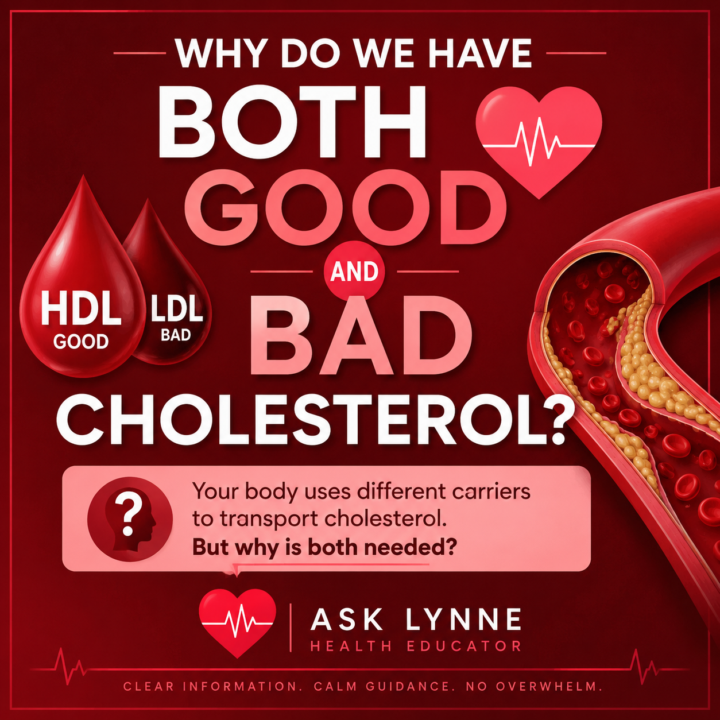
Cholesterol is a fat that does not mix well with blood, which is mostly water. To move it through your bloodstream, your body packages it into tiny carriers. When too much cholesterol is carried in the wrong way, it builds up in your arteries over time, increasing the risk of heart attack and stroke. HDL (High-Density Lipoprotein) is the "good" cholesterol. It is the cleanup crew. It collects excess cholesterol and carries it back to the liver, to be recycled or removed from the body. Generally, the higher your HDL, the better. LDL (Low-Density Lipoprotein) is the "bad" cholesterol. But, it has an important job, delivering cholesterol to cells to build cell walls, make hormones, and produce vitamin D. The problem begins when there is too much LDL. This can leave cholesterol behind in your artery walls, and plaque gradually builds up. Triglycerides are another type of fat found in your blood. They store excess calories for later use. High triglycerides often go hand in hand with high LDL or low HDL and can further increase your risk of heart disease. These are all common blood work (lab result) measurements that help assess heart health. So, how can you have both good and bad cholesterol? Because your body uses different carriers to transport cholesterol. 𝐎𝐧𝐞 𝐝𝐞𝐥𝐢𝐯𝐞𝐫𝐬 𝐢𝐭 𝐰𝐡𝐞𝐫𝐞 𝐢𝐭'𝐬 𝐧𝐞𝐞𝐝𝐞𝐝, 𝐰𝐡𝐢𝐥𝐞 𝐭𝐡𝐞 𝐨𝐭𝐡𝐞𝐫 𝐫𝐞𝐦𝐨𝐯𝐞𝐬 𝐭𝐡𝐞 𝐞𝐱𝐜𝐞𝐬𝐬. The important thing isn't simply whether you have HDL or LDL— 𝐢𝐭 𝐢𝐬 𝐭𝐡𝐞 𝐛𝐚𝐥𝐚𝐧𝐜𝐞 𝐛𝐞𝐭𝐰𝐞𝐞𝐧 𝐭𝐡𝐞𝐦. 𝐇𝐞𝐚𝐥𝐭𝐡 𝐄𝐝𝐮𝐜𝐚𝐭𝐨𝐫'𝐬 𝐍𝐨𝐭𝐞: Cholesterol itself isn't the enemy. Your body needs it every day. The goal is to keep the different types in a healthy balance, not to eliminate cholesterol altogether.
1 like • 10d
I have naturally low cholesterol so I consider myself very fortunate.
1-10 of 24
Active 4h ago
Joined May 15, 2026