Activity
Mon
Wed
Fri
Sun
May
Jun
Jul
Aug
Sep
Oct
Nov
Dec
Jan
Feb
Mar
Apr
What is this?
Less
More
Owned by Benjamin
I just want to share in my passion for swimming , teaching swimming and more so teaching people to be water confident........
Memberships
Action For Health Living
156 members • Free
1 contribution to Action For Health Living

Feb 15 •
Knotts
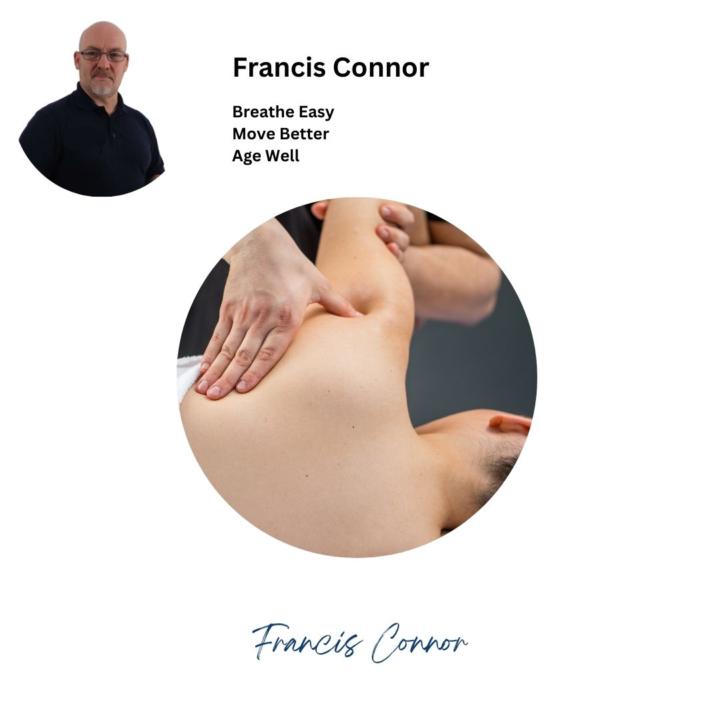
Oh you've got knots in the muscles! How many times have you heard this? Have you ever really understood what they are? This was a conversation I had last week and feel that understanding what they are can help with the treatment, rehab and prevention of injuries... "knots," are technically referring to myofascial trigger points. In easy terms, a knot isn't a literal tangle of muscle fibres; it’s a localised patch of "stuck" muscle. Inside your muscle, tiny units called sarcomeres are designed to contract and relax like an accordion. A knot occurs when these units have to adapt to a status or applied stimulus and may become overstimulated, often due to repetitive strain, poor posture, or "inflammaging"and get locked in a state of constant contraction. This creates a "micro-cramp" that compresses nearby capillaries. The lack of fresh, oxygenated blood flow causes metabolic waste to build up, which irritates local nerves and creates that familiar "bruised" or aching sensation. When a therapist applies specific pressure they manually encourage the fibres to release and fresh blood to flush out the area. It is less about "ironing out" a lump and more about restarting the muscle's natural circulation and function. And luckily.... Osteopathic treatment significantly reduces pain intensity and improves physical quality of life for patients suffering from chronic muscle and "soft tissue" pain. Combine this with exercise a primary clinical intervention, has the ability to improve the functional capacity of the musculoskeletal system. This is why we prescribe the right exercise to assist recovery, management and ultimately prevention. Treat, rehabilitate, strengthen and prevent.. Keep Well, Stay Active Francis References: Schleip, R. (2003). Fascial plasticity – a new neurobiological explanation: Part 1. Journal of Bodywork and Movement Therapies, 7(1), 11–19. doi.org.
1 like • Feb 16
Great Information Francis 👍🏻👍🏻👍🏻 I’m due a visit I think 💪🏻 see you soon hopefully
1-1 of 1

@benjamin-hamlett-7590
Just following my main passion with others to build a water confident community wherever you may be.....
Active 6d ago
Joined Jan 31, 2026