Activity
Mon
Wed
Fri
Sun
Aug
Sep
Oct
Nov
Dec
Jan
Feb
Mar
Apr
May
Jun
Jul
What is this?
Less
More
Memberships
The Common Cents
31 members • Free
9 contributions to The Common Cents
Feb 5 •
Week 2!!
1. My HYSA: I opened my account with Well Fargo and I still in progress with Phase 1. 2. My savings are at 10% still need work around it since I am paying of my college debt
Feb 4 •
Quick Market Pulse and Update
The "Black Friday" Breakdown (Jan 30, 2026) 🦢 - The Metals Meltdown: Gold and silver, which had been on a vertical run, suffered a historic "Flash Crash." Gold futures plummeted 11%, while silver had its biggest daily fall on record—losing more than 30% in a single session. - The "Warsh" Shock: The catalyst was the surprise nomination of Kevin Warsh to lead the Federal Reserve. The market immediately interpreted this as a move toward higher interest rates and a stronger dollar, causing a "cascade of panic" for anyone holding gold or silver as a hedge. - The Tech Stray: While the S&P 500 showed some resilience, the Nasdaq ended lower as "AI skepticism" started to creep in, with Microsoft falling 10% in a single week following its earnings. This is a "Black Swan" event. It’s the unexpected news that triggers a panic. But here is the "Common Cents" reality: If we stay in our lane, we are fine. This is why we don't chase the "hype of the month." We build a machine that survives the storms. Today’s Practice: Watching the Aftermath The market is still "choppy" as it processes everything going on. This is the perfect time to: 1. Watch the VIX: The "Fear Index" is still elevated. Notice how it moves when the news mentions interest rates. 2. Practice "Emotional Distance": Look at that 30% silver drop. If that was your real money, how would you feel? This is exactly why we use Paper Trading right now—to build the "nerve" to stay calm during the next Black Swan. It's been extremely volatile. Share what you've been doing.
1 like • Feb 4
I am worried on how silver and gold is raising up and down in value in today’s market, my question is what is the best source to keep track of that? Is the new market is AI now or virtual coins like Bitecoin?
1 like • Feb 5
@Jeannine Liang thank you!!!
Feb 4 •
You did it! 14 days down 🎓
The roadmap is officially over. Take a second to look back. Two weeks ago, you might have been stressed just thinking about your bank account. Now, you’ve got a real system running. You picked your brokerage, plugged the leaks, and actually started the engine!! You’re ahead of pretty much everyone else just because you actually took the steps. What’s next? Even though the 14 days are done, the "Common Cents" habit is just starting. - Autopilot is on: Your recurring buys are doing the work for you. - Deadline set: You know exactly when that debt is going to be gone. - We’re still here: This group is where we’ll hang out, share wins, and talk through crazy market weeks like the one we're having now.
0 likes • Feb 4
Yessir! I am currently on Phase 1 continuing, getting started was hard but it all becomes easier once it’s a habit 🫶
Jan 29 •
Week 1!
My biggest leak is spend money on restaurants and not conserving much on the food at home (when I go play Vball or tourneys) My biggest 3 wins: created a budget sheet, saved some lunch money by grabbing a second free lunch for the next day, and really assessed on my finances (actually sit down and analyze)!
Jan 22 •
ARE YOU ON THE LEADERBOARD?
Giving a little shout out to our community! Top 3 on our Leaderboard!! @Mikayla Amber Samiano, @Jessica La, and @Artem Novoselov. Thanks for keeping it alive in there! Really truly appreciate the support. Let's keep it going! The more action you take, the more you get out of it. The more results you'll see! (And the more classes you'll unlock in the classroom to learn)

1 like • Jan 25
Yessir! I will work on more of the budgeting and financing, going to Calculate all the spending tom
1-9 of 9
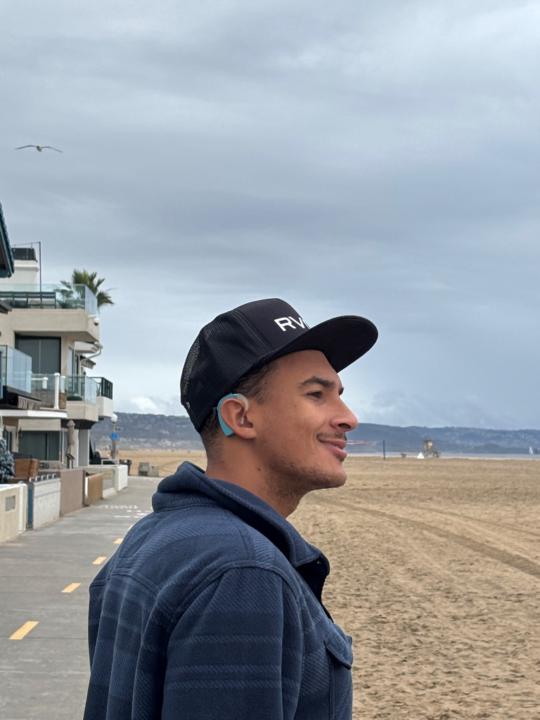
@artem-novoselov-6625
Artem Novoselov - USA Deaf Beach Volleyball Player
Civil Engineer I - Water Resources
Starting out Content Creator - IG & YT
Active 117d ago
Joined Jan 11, 2026