Activity
Mon
Wed
Fri
Sun
Aug
Sep
Oct
Nov
Dec
Jan
Feb
Mar
Apr
May
Jun
Jul
What is this?
Less
More
Memberships
The Round Table
8 members • Free
Vagyonépítés Bitcoinnal
380 members • $21/month
Böjt | TestTudat | 14nap Reset
512 members • $15/m
Operation Dubai
190 members • Free
Operation Dream Job
190 members • Free
2 contributions to Cancer Warriors
Sep '24 •
Cancer Warriors ❤️
This group exists so no one has to walk this path alone. Share as much or as little as you feel comfortable: - Your diagnosis or a loved one’s journey - What brought you here - Questions you’re exploring - Therapies or strategies you’re researching - Or even a photo — faces help turn stories into connection Every share matters. It helps others feel less isolated and strengthens the collective wisdom of the group. 📌 Post Categories — How to Share To keep the community organised and easy to navigate, please choose the category that best fits your posts: 📢 Announcements: Official updates from the Admin team. 👋 Introductions: Say hello and share as much (or as little) as you’re comfortable with about your journey. ❓Questions: Questions and thoughtful answers from the community. 💬 General Discussion: Open conversation on cancer, healing, mindset, and community-related topics. 💡Research & Protocols: Research, studies, resources, protocols, and learning materials. 📝 Journeys & Experiences: Personal stories, protocols being explored, progress updates and testimonials. ❤️ Community Lounge: Anything that doesn’t clearly fit another category. If you’re unsure, don’t worry — just choose your best guess. The goal is sharing, learning, and supporting each other, not perfection.
3 likes • Oct '25
Agreed😊
Sep '25 •
Natural Pro-Oxidants in Cancer Research
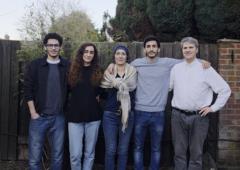
A recurring theme in oncology is that many conventional chemotherapies work—at least in part—by creating oxidative stress inside tumor cells. Cancer cells already live close to the “redox tipping point,” with high baseline ROS (reactive oxygen species) and weakened antioxidant defenses. Push them just a bit further, and they collapse. Interestingly, several natural compounds and therapies explored in the metabolic and integrative cancer field also appear to act through pro-oxidant mechanisms—but often in a way that spares healthy cells. ✅ Natural Pro-Oxidants Reported in Research 1. Vitamin C (high-dose, IV) - At nutritional levels, vitamin C is an antioxidant. - At pharmacologic IV levels, it flips to a pro-oxidant, generating hydrogen peroxide that selectively stresses tumor cells. 2. Artemisinin & Derivatives (e.g., artesunate, artemether) - Activated by iron, which tends to be higher in cancer cells. - Generates ROS bursts that damage mitochondria and DNA. 3. Polyphenols at High Concentrations (EGCG, Quercetin, Curcumin, Resveratrol) - Known as antioxidants at low doses. - In cancer’s iron-rich, unstable redox environment, they can flip into pro-oxidants and trigger oxidative stress. 4. Methylene Blue (with light or redox cycling) - Acts as a redox cycler in mitochondria. - When combined with near-infrared light (photodynamic style therapy), it produces singlet oxygen and ROS. 5. Hyperbaric Oxygen Therapy (HBOT) - Increases oxygen pressure in tissues. - Can elevate ROS, especially in cells with weak antioxidant defenses. 6. Ozone Therapy - O₃ is a direct oxidant. - Produces peroxides and secondary ROS, creating oxidative stress signals in cells and blood. 7. Sulforaphane & Isothiocyanates (from crucifers like broccoli, mustard) - At higher doses, can deplete glutathione and drive ROS-mediated apoptosis. 8. Hydrogen Peroxide - Direct ROS donor. - Used in certain IV protocols to induce oxidative stress.
Poll
8 members have voted
2 likes • Sep '25
@Bernardo Henriques thank you! I was not aware that other antioxidants can be pro-oxidant as well in high doses!😮 this is very exciting new info. I have done vit C in high doses to reach a pro-oxidant level, the recommendation was liposomal capsule every 4 hours+ 1 gram of powder until bowel tolerance.
1 like • Sep '25
@Bernardo Henriques there is a researcher in Hungary (where I live) who claims to have achieved it (tested in lab) with this protocol+doxycycline😊
1-2 of 2
@anna-konyves-toth-2477
CV Shark Client Success Coach, Trainer
Active 3d ago
Joined Sep 25, 2025
Powered by