Activity
Mon
Wed
Fri
Sun
Jun
Jul
Aug
Sep
Oct
Nov
Dec
Jan
Feb
Mar
Apr
What is this?
Less
More
Owned by Amanda
Learn cool dog stuff 🐾 Train with purpose ✨ Connect with your people 🤍 Encouragement + good vibes = happy dogs 💛 For pets & service dogs
A welcoming classroom & community for everything Service Dogs! ASA is a 501(c)3 Nonprofit Organization dedicated to helping dogs and humans!
Memberships
GOOSIFY 🍎🐛🦋🌈⭐️🩷
12.9k members • Free
Skoolers
193.1k members • Free
The Musical Mystery School
39 members • Free
Elevate Flow Space
61 members • Free
Handpan Jitsu
35 members • Free
Energy vibes tarot cards🦋
54 members • Free
MS
Marked Souls Inner Circle
381 members • Free
Tampa Bay Skoolers
16 members • Free
Easy Crochet Academy
421 members • Free
92 contributions to ASA Service Dogs Charity

25d •
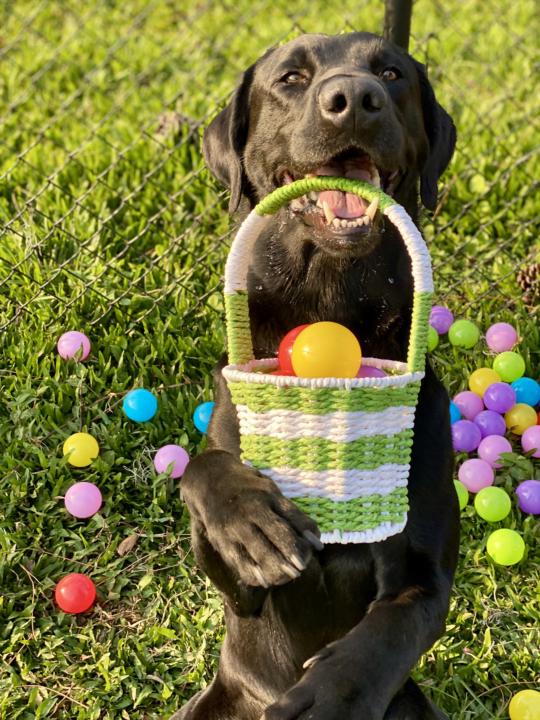
Happy Easter!! 🐣🐕🦺🌷
Wishing you a day filled with joy, love, and some quality time with your pups! What are you and/or your doggos up to today?! 🐾
1 like • 24d
@Sherry Smith haha I was just going to ask which one H is... sooo cute and fun!!
0 likes • 23d
@Erika Sperl love it! Thank you for the info 😊🐶
29d •
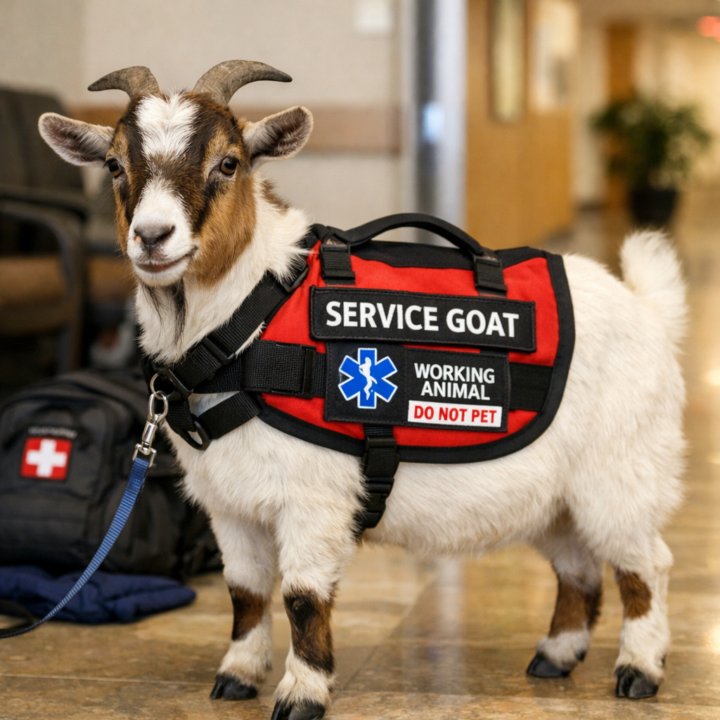
🚨 Exciting Announcement!! 🐐🐕🦺
We’re so excited to officially share something we’ve been working on behind the scenes… In addition to our highly trained service dogs, ASA Service Dogs is now offering fully trained Service Goats. Yes—you read that right. Service goats bring a unique set of skills to the table, including: • Natural terrain stability and balance support 🏔️ • Gentle grounding presence • Highly motivated food-driven task work (seriously… very motivated) • And of course… unmatched personality Our team has been carefully developing this program to expand accessibility and provide alternative options for individuals who may benefit from a different type of working partner. We are currently accepting a limited number of applications for our first group of Service Goat placements. More details coming soon! … APRIL FOOLS 😂🐐 We’ll stick to the dogs—but you’ve gotta admit… a service goat would be pretty great 😆
2 likes • 29d
@Julie Kelley Their noises are SOOO funny! I stayed at a friends house and literally ran outside in a panic because I thought a baby was crying - apparently this goat just got his head stuck in the fence...again 🤣 I especially like the ones that make the "raspberry" noises lol
1 like • 29d
@Becca Tatun hahaha EVERYONE would ask to take pic of the SDG team - either that or RUN awayyyy lol
Mar 24 •
⚾️ Piddy at Detroit Tigers Visit! 🐕🦺
Such a fun day for our ASA crew!! At ASA Service Dogs, we primarily train service dogs, but we also stay very active in the community through our therapy dogs — everything from Read to the Dogs programs to fun visits like this one with the Detroit Tigers players. We were invited out to spring training to spend time with the players and coaches — some who are injured and others who are away from home and missing their families. It was such a great experience all around. Padfoot, my personal black lab 🖤 (11 years old and still got it!!) came out, showed off some fun tricks, soaked up all the love, and brought a ton of smiles to the players and coaches. We mixed in some service dog training with therapy-style visits, and it turned into such a great training opportunity for our team. We even got feedback from one of the coaches that the response has been “off the charts!!” 🙌 Huge thank you to our ASA team for coming out — the dogs had a blast, the players loved it, and we’re so excited to keep this going!! 🐶🐾

1 like • Mar 26
@Sherry Smith Thank you Sherry!! hahah I have actually never thought about the fact that he could be dizzy with all his spins 🤣 But he never waivers!
0 likes • Mar 27
@Sherry Smith oooh awesome!!! 👏 learn something new everyday!!
Mar 4 •
🐕🦺🎒 Service Dog “Go Bag” Essentials (AKA Your SD's Diaper Bag)
When you’re out and about with your service dog — doctor’s appointments, travel days, long outings — it’s always a good idea to have a doggy go bag ready to roll. Think of it like a diaper bag… but for your very important working dog!! Here’s what Saffy’s go bag looks like as a great example: 🦴 Comfort + Entertainment • Chew bone • Non-squeaky toy • Mat for your dog to settle on • Dog Booties 💧 Food + Water • Water jug • Drinking bowl • Extra treats • Food training pouch 🧻 Cleanup + “Just In Case” Supplies • Poop bags 💩 • Pee pad • Paper towels • Gloves • Towels • Wet wipes • Hand sanitizer • Extra Leash 🔌 Extras • Chargers Julie and Saffy even keep two versions of the bag: 👜 Small bag → quick outings like doctor appointments 🎒 Big bag → longer adventures when you want all the essentials Because when you’re prepared like this… you’re basically ready for anything. And trust me — if your dog is working somewhere boring for a while, having a chew or something to occupy them can make a huge difference. 💬 Now I’m curious… What do you keep in your dog’s go bag? Did we miss anything? Huge thank you to @Julie Kelley and Saffy for showing us Saffy’s diaper bag setup! 🐾✨

1 like • Mar 24
@Julie Kelley oooh awesome!! Where’d you get it?
2 likes • Mar 26
@Julie Kelley awesome!!! Can't wait to try it 🙌 Thanks for the info.
Mar 11 •
🐕🦺 Service Dog Manners in the Grocery Store
The Meat Section! Dogs have an incredible sense of smell… and let’s be honest, one of their favorite smells in the world is meat 🍖 🥩 So when a service dog walks past the meat section at a grocery store, it can be a very tempting situation. But a well-trained service dog learns something very important: Ignore the food and stay focused on the handler! No: • Sniffing • Licking • Jumping • Trying to investigate the shelves Instead, the dog should be calmly walking with their handler and checking in for guidance. In this video, you’ll see Saffy the black lab doing exactly that — walking past the meat section while staying focused and ignoring the food!🐕🦺 Great job, Saffy and handler @Julie Kelley Training moments like this help build reliability so service dogs can confidently accompany their handlers anywhere they’re needed. 💬 Question for you: If your dog could choose one aisle in the grocery store to live in, which one would it be? 😂🐾

0 likes • Mar 13
@Astrid Nicastri Absolutely, you've got it! Glad they're helping Astrid - have a great weekend!!
0 likes • Mar 14
@Kenzie Carlson love it…dogs and kids love Nerf toys 😝 Tell Atlas potato I said hi!!
1-10 of 92

@amanda-taulborg-2815
21 yrs professionally training dogs 🐶 | ASA Service Dogs + Cool Dog Skool | Inspiring humans to train, play, & bond with their pups every single day!
Active 2h ago
Joined Jul 8, 2025
Florida