Activity
Mon
Wed
Fri
Sun
Jul
Aug
Sep
Oct
Nov
Dec
Jan
Feb
Mar
Apr
May
What is this?
Less
More
Owned by Amanda
Transform your dog’s health one bowl at a time. Learn how to address gut health at the root—without the overwhelm or guessing.
Memberships
DAFY (Dog Advice For You)
116 members • Free
Dog Nutrition & Wellness Hub
117 members • Free
Skoolers
184k members • Free
VA Leadership Academy
504 members • Free
85 contributions to Canine Gut Solutions Community

16d •
June 13th
Hello all! After a lot of thought, I’ve made the decision to close the Canine Gut Solutions Community. I’m incredibly grateful for where this community has come from and for every single person who joined because they wanted to learn, grow, and do better for their dogs. Your support has truly meant so much to me. As my business continues to grow, my mission and direction are evolving as well, and I’ll now be focusing my energy in a new direction. I am still active on Facebook in my group, Functional Canine Nutrition, and I would absolutely love for you to continue following along there. I wanted to give everyone plenty of time to cancel memberships before renewals process. Please don’t hesitate to reach out if you have any questions, and thank you again from the bottom of my heart for being part of this journey and caring so deeply about your dogs’ health and wellbeing https://www.facebook.com/share/g/1ByJq1zjVC/?mibextid=wwXIfr

17d •
6 weeks
Hello! I'm creating an alternative to working 1:1 with me and that is an online course that will be offered through this platform, the course will be $199. This will be for canine parents that want to get to the root cause of their dog's chronic allergies and stop guessing, I've spoke with several client's over the years and so many want to do their best for their dog's but just don't know where to start! So I am going to offer my 1:1 service in a course! This will still give access to me, 1 email a week of custom support. It will be called The Gut Health Blue Print for Dogs- stop the itch and calm down the inflammation! If you are interested in learning more comment Gut Health below!
1
0

23d •
6pm est tonight!!
Here is the link for tonight's meeting! Amanda Smith is inviting you to a scheduled Zoom meeting. Topic: Chef Scot Zoom Expert for Canine Gut Solutions Time: May 7, 2026 06:00 PM Eastern Time (US and Canada) Join Zoom Meeting https://us06web.zoom.us/j/89588191114?pwd=USg4Tzat1ieC3yAMPhiyA5zNh1HkAS.1 Meeting chat link https://us06web.zoom.us/launch/jc/89588191114 Meeting ID: 895 8819 1114 Passcode: 759236 --- One tap mobile +13092053325,,89588191114#,,,,*759236# US +13126266799,,89588191114#,,,,*759236# US (Chicago) --- Join by SIP • 89588191114@zoomcrc.com Join instructions https://us06web.zoom.us/meetings/89588191114/invitations?signature=iX0X5cTca6P5MJqWrrjO5PcFhCadEzaigQQ3oECqC-4
0
0

25d •
This Thursday!
We have Chef Scot Joining us for an exclusive talk on Omega 3's for our dogs! 6pm est set a reminder for your calendar. Here is your reminder!
1
0

29d •
Podcast
Hello! Here is a good podcast for those that love to listen! This one is about natural flea and tick support! https://podcasts.apple.com/us/podcast/next-level-pet-parent/id1788043076?i=1000763842677

1-10 of 85
@amanda-smith-9525
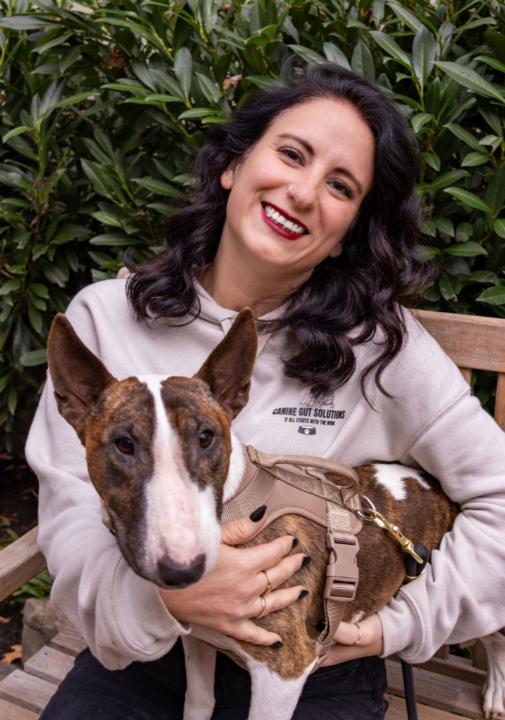
Owner of Canine Gut Solutions. Paving the way for canine nutrition and making it accessible to all pet parents that want to help their dogs thrive
Active 3d ago
Joined Sep 29, 2025
Powered by