Activity
Mon
Wed
Fri
Sun
Aug
Sep
Oct
Nov
Dec
Jan
Feb
Mar
Apr
May
Jun
What is this?
Less
More
Owned by Amanda
Structured lessons, exam strategies, and practice quizzes to help cosmetology students pass the state board with confidence.
Learn how to use AI & proven coaching techniques to write your own resume, plan your job search, prep for interviews, & secure the bag on your terms.
Memberships
Royale Business Institute
3.4k members • Free
John Cannons Peptide Guide
221 members • $10/m
Community Launch
14.7k members • Free
PMP
13.6k members • Free
AI Content Creators
4.4k members • $12/month
ADHD Founders
2.9k members • Free
Six Figure Society
7.9k members • Free
RB
Royale Business Academy
69.4k members • Free
37 contributions to RISE State Board Prep

5d •
🤯 Did you know brushing your client's hair does more than just detangle it?
Most people think of brushing as just a basic step to get the hair smooth and ready to style. But there's actually something really cool happening underneath the surface when you brush properly. You're increasing blood flow to the scalp. 🩸 This is called stimulating scalp microcirculation. And it matters more than most people realize. When you brush the hair before a service or treatment, you're getting the blood moving in the scalp. Better circulation means the scalp is healthier and more prepared to receive whatever comes next, whether that's a treatment, a color service, or a styling product. Think of it like warming up before a workout. You wouldn't just jump straight into the heavy stuff. You prep first. Brushing is that prep step for the scalp. 💡 ✨ So the next time you pick up a brush before a service, remember... you're not just detangling. You're waking the scalp up and setting your client up for better results. That's the kind of knowledge that separates a good cosmetologist from a great one. And it's also the kind of thing that shows up on your state board exam. 😉🎯 Pretty cool, right? Drop a 🙌 if you didn't know this before! 👇💛
0
0
5d •
✨ Quick Lesson: Threading
Let's talk about threading... what it is, where it comes from, and what you need to know for your state board exam. So what is threading? Threading is a temporary hair removal method that uses a thin cotton thread to remove unwanted hair directly from the follicle. It's been practiced for centuries in many Eastern cultures and has grown really popular in the United States as an alternative to waxing and tweezing. You've probably seen it done at beauty kiosks in the mall or at specialty brow studios. It looks simple when someone does it well. But here's the thing... It's a skill. And it requires proper training. 🎯 Why does specialized training matter for threading professionals? Because threading done incorrectly can cause real harm to the client. Without proper training, a threading professional can: ⚠️ Break the skin or cause irritation ⚠️ Remove hair unevenly or damage the brow shape ⚠️ Create unnecessary discomfort for the client ⚠️ Spread bacteria if sanitation steps are skipped Specialized training ensures that the professional knows the correct technique AND how to keep the service safe from start to finish. That's what protects the client. That's what makes the service effective. 💡 It's not about cutting costs. It's not about saving time. It's about doing it RIGHT and doing it SAFELY. 🎯 For your state board exam: If you see a question about why threading professionals need specialized training, the answer is always going to point to proper technique and safety. Everything else (cost, time, tweezing) is a distraction. ✨ The more you understand the WHY behind these concepts, the easier it is to spot the right answer even when the question tries to trick you. You've got this! 💛 Drop a comment if you've ever had threading done or seen it performed! 👇
0
0

8d •
✅❌ True or False — Terminology Edition!
Medical terms are a BIG part of the state board. Let's see how well you know these. Answer TRUE or FALSE for each one! 1. Tinea pedis is the medical term for athlete's foot. 2. Paronychia is a fungal infection of the nail plate. 3. Onychomycosis refers to a fungal infection of the nails. 4. Tinea corporis affects the skin of the feet. No peeking! Drop your answers below first! ⬇️
1 like • 8d
Answers: 1. ✅ TRUE — Tinea pedis = athlete's foot. Lock it in! 2. ❌ FALSE — Paronychia is inflammation of the SKIN around the nail, not a fungal infection. 3. ✅ TRUE — Onychomycosis is a fungal nail infection. 4. ❌ FALSE — Tinea corporis affects the body, not the feet. Feet = tinea pedis. 💡 These terms love to show up on the state board in tricky ways. The more you practice matching the term to the definition, the faster you'll recognize them on exam day! 🎯
8d •
✨ You already do this. Now let's make sure you can answer it on the exam.
Before you touch a client's hair, what's the first thing you should do? Analyze. The hair and scalp. Every single time. Here's the thing. This isn't just a state board concept. This is real life in the salon. You analyze the hair and scalp FIRST because you need to know what you're working with before you start. Are there conditions that need special care? Is the hair strong enough for a chemical service? Is the scalp healthy? The whole point is to maintain the health and integrity of the hair and scalp. That's it. That's the answer your exam is looking for, too. Not to figure out a hairstyle. Not to help color absorb better. To protect and preserve what's already there. 💛 🎯 Remember: Analysis comes before everything else. It keeps you and your client safe. What do you always look for when you analyze a client's hair? Drop it in the comments! 👇
1
0
8d •
💅 Quick Board Question — Nails!
Your client is coming in for a special event. She wants nail enhancements, but needs them to be easy to remove afterward. What do you recommend? A) Gel nail enhancements B) Liquid and powder enhancements C) Resin systems D) Dip powder systems Drop your answer before you scroll! ⬇️
1 like • 8d
✅ Answer: C — Resin systems 💡 Here's why: Resin systems are specifically designed for temporary wear. They look great for special occasions, AND they come off easily when the client is done. The other options: gel, liquid and powder, and dip powder are all more permanent. They require regular maintenance and are not designed for easy removal.
1-10 of 37
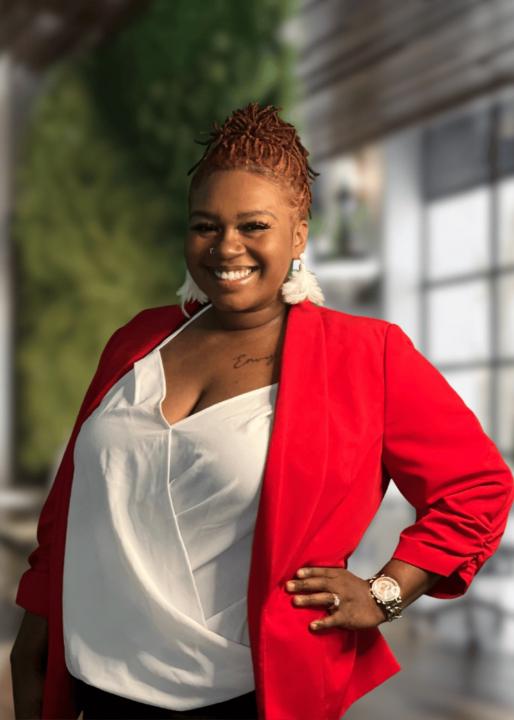
@amanda-poe-5401
Boss & CEO of UhMazyn Brands - Licensed Cosmetologist and Certified Professional Resumé Writer
Active 3d ago
Joined Jan 20, 2026
ENTJ
Memphis, TN