Activity
Mon
Wed
Fri
Sun
Aug
Sep
Oct
Nov
Dec
Jan
Feb
Mar
Apr
May
Jun
What is this?
Less
More
Memberships
Gold Circle Academy
77 members • Free
KA
KMP Archived
1.8k members • $9/m
15 contributions to Gold Circle Academy

10d •
🎤 Masterclass Communication with Richardson Dughan
One of the biggest lessons from @Richardson Dughan masterclass: "Speak to people, not at people." Great communication starts with understanding who you're talking to. Before creating content, pitching your business, or selling anything, ask yourself: • What do they value? • What are their beliefs and morals? • What is my intention behind this message? Communication also starts with active listening. Don't listen just to talk back. Listen with the goal of understanding. A simple framework to remember is GCBVM: 🎯 Goals🌍 Culture💭 Beliefs❤️ Values⚖️ Morals When you understand what matters to someone, your communication becomes intentional, relevant, and authentic. When you communicate with a genuine intention to serve, people don't feel like they're being sold to. They feel understood. 📺 The full masterclass recording is available exclusively to Gold Circle Premium members and members who have reached Level 5+. 💡 How do you level up? It's simple. Stay active in the community! ✅ Share your journey and wins ✅ Post your questions and insights ✅ Complete the courses and assignments ✅ Engage with other members Every like and comment on your posts earns you points, helping you level up and unlock more exclusive content and opportunities. Keep showing up. Your next level is earned through participation. 🚀


0 likes • 10d
Here's the Instagram Reel I mentioned in my contribution on Hermeneutics 👇🏾 https://www.instagram.com/reel/DZYMLLiva9t/?igsh=MW1jMWd4bjRzbXQyOQ==

May 13 •
GHANA POWER MOVE: STOP JAPA! START YOUR BUSINESS RIGHT HERE & KILL THE MIGRATION CRISIS!67% OF GHANAIAN YOUTH
GHANA POWER MOVE: Stop Japa! Start Your Business RIGHT HERE & Kill the Migration Crisis!67% of Ghanaian youth want to flee abroad (Gallup 2026 data). But why migrate when Adwumawura Programme is funding 10,000 youth businesses yearly? Ghana gives you: Free talent + land + markets Gov’t grants, incubators & tax breaks for agribusiness, fintech, agritech Local heroes already scaling from zero to millions (Joya Foods, startups hitting $20M+) Remittances = $4.7 BILLION... but real wealth stays when YOU create the jobs! The power is in your hands. Stop dreaming of abroad. Start building Ghana. What business are YOU launching in 2026? Drop it below Let’s make this trend! #StartInGhana #GhanaFirst #YouthEntrepreneur #Adwumawura #NoMoreJapa

1 like • May 15
Thanks for consistently sharing such content. Your research prowess and dedication are inspiring @Jerry Adams
May 14 •
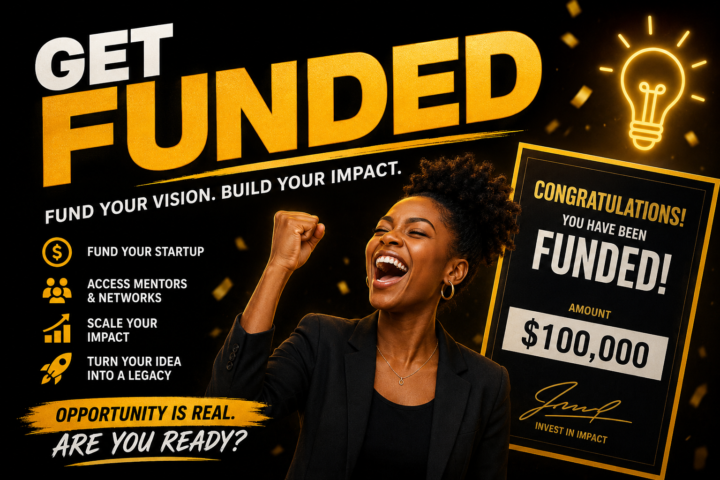
🚨 Funding opportunities for African founders you should not sleep on right now
If you are building in AI, media, tech, education, culture or digital products across Africa or the diaspora, these are worth looking into. 👇🏾 1. UNICEF Venture Fund💰 Up to $100K equity free fundingFor frontier tech solving problems for children. AI, blockchain, open source and data focused startups eligible. 2. Accelerate Africa Startup Programme💰 Potential follow on investment opportunities12 week accelerator for African founders with mentorship, network access and startup support. 3. Katapult Africa Accelerator💰 $150K to $500K investment supportFocused on climate tech, food systems and sustainability startups. Includes mentorship and investor access. 4. Microsoft for Startups Founders Hub💰 Up to $150K in Azure creditsTechnical support, startup tooling and cloud infrastructure support for founders and AI builders. 5. a16z Speedrun💰 Up to $1M potential investment opportunitiesAccelerator support for ambitious AI and tech startups with a strong infrastructure focus. ✨ This is your reminder that opportunities are not only for “big startups.”Sometimes all it takes is a strong vision, a clear problem and the courage to apply before you feel fully ready. African founders are entering a powerful era right now. 🌍🔥 Which one would you apply for first? Links are in the comments below!
1 like • May 15
I’m glad to see more Africa-focused funds springing 🆙 Thanks for this glad tidings.
Apr 29 •
Drop ONE word that describes where you are right now...
Mention One Word in the comments that describes where you are in your Business or Career! I'll start...👇🏽
0 likes • May 1
Testing 🙏🏾
Apr 10 •
You have nothing to prove | the myth of proving yourself
For my philosophy (feelosophy) lovers. Hope the podcast episode inspires you in the Subtack link as I did, keep going: https://open.substack.com/pub/ayandastood/p/the-myth-of-proving-yourself?utm_source=direct&utm_campaign=post-expanded-share&utm_medium=web
3
0
1-10 of 15

@allyne-mamattah-9840
🤓 Creative Bridge: Digital Strategist & Storyteller at heart ❤️🔥
Faith/Spirit-led, Pan-Africanist & Nkrumahist 🌍
Active 4d ago
Joined Jan 3, 2026
🇬🇭