Activity
Mon
Wed
Fri
Sun
May
Jun
Jul
Aug
Sep
Oct
Nov
Dec
Jan
Feb
Mar
Apr
What is this?
Less
More

Owned by Alejandra

The Spanish Point

85 members • Free

A community for people who are studying Spanish and need more practice, more exercises, more conversation, and tutoring.

Memberships

Leadership Skool

1.4k members • Free

Travelingo (Travel Spanish)

42 members • Free

Spanish With Caye

520 members • Free

Skoolers

195.9k members • Free

45 contributions to The Spanish Point
Verb of the Day: Confiar
Confiar comes from the Latin confidāre formed by the prefix con- (together) and fides (faith, trust). It means to trust, to believe, to have faith. Algunas conjugaciones: Presente: confío, confías, confía, confiamos, confiáis, confían. Imperfecto: confiaba, confiabas, confiaba, confiábamos, confiabais, confiaban. Condicional: confiaría, confiarías, confiaría, confiaríamos, confiaríais, confiarían. Pasado subjuntivo: confiara, confiaras, confiara, confiáramos, confiarais, confiaran. Algunos ejemplos: Nosotros confiamos en su decisión. Yo quería que tú confiaras en mí. Cuando éramos niños confiábamos en todo lo que nos decían nuestros padres. ¡Tu turno! Write a sentence using confiar in the comments!
1 like • 10h
@Allyson Hickman if this is a command, it should be “confía en mi” (informal) or “confíe en mi” (formal)
1 like • 10h
@Allyson Hickman por supuesto! Estoy para ayudar 🙂
Verb of the Day: Dar
The verb dar comes from the Latin dare, which means to deliver, to give. Algunas conjugaciones: Pretérito: di, diste, dio, dieron, disteis, dieron Futuro: daré, darás, dará, daremos, daréis, darán Presente subjuntivo: dé, des, dé, demos, deis, den Ejemplos: Le daré la comida al bebé. Rosa nos dio un regalo de Navidad muy bonito. Quiero que me des toda la información. Nunca te daría problemas. ¡Tu turno! Write a sentence using dar in the comments!
1 like • 10h
@Kathy Burgess en esta oración necesitas el objeto indirecto y la preposición “a”: ¿ le diste a tu novia un anillo? Aunque parezca redundante, es una regla que si mencionas el objeto indirecto, en este caso tu novia, también necesitas el pronombre “le”.
Verb of the Day: Crear
CREAR means to create. It comes from the Latin creāre (to conceive, to produce, to bring to life). The noun is creación (creation) Algunas conjugaciones: Presente: creo, creas, crea, creamos, creáis, crean Pretérito: creé, creaste, creó, crearon, creasteis, crearon Futuro: crearé, crearás, creará, crearemos, creareis, crearán Subjuntivo: cree, crees, cree, creemos, creéis, creen Ejemplos: En la clase creamos una obra de arte al final del semestre. Sabemos que crearás una hermosa familia. Quiero que crees tu propio plan. Ellos crearon una comunidad grande y solidaria. ¡Tu turno! Write a sentence with crear in the comments!
2 likes • Feb 8
@Stephen Westbrook mías también!
1 like • 10h
@Allyson Hickman si, generalmente el contexto. Pero cuando se usa con el subjuntivo necesita una cláusula principal. Por ejemplo: yo quiero que ella crea en mi. En contraste, con el indicativo: ella crea una obra de arte. Entonces la estructura de la oración es diferente.
Verb of the Day: Esforzarse
The verb esforzarse means to make an effort, "to exert oneself," and comes from the Latin "exfortiare," formed from the prefix "ex-" ("outward," "to remove," or intensifier) ​​and "fortis" ("strong" or "strength"). It literally means "to draw strength" or "to become strong," evolving from the idea of ​​applying physical or moral vigor to achieve a goal. It’s a reflexive verb, so it needs a reflexive pronoun (me, te, se, nos, os, se) Algunas conjugaciones: Presente: me esfuerzo, te esfuerzas, se esfuerza, nos esforzamos, os esforzáis, se esfuerzan. Imperfecto: me esforzaba, te esforzabas, se esforzaba, nos esforzábamos, os esforzabais, se esforzaban. Condiciona: me esforzaría, te esforzarías, se esforzaría, nos esforzaríamos, os esforzarías, se esforzarían. Algunos ejemplos: Si realmente me interesaran las matemáticas, me esforzaría más. Ana se esfuerza mucho para hacer el mejor trabajo. Antes nos esforzábamos en llegar a entenderla, pero es imposible saber lo que quiere. ¡Tu turno! Write a sentence using esforzarse in the comments!
2 likes • 30d
@Kathy Burgess sí, “me esfuerzo por estudiar….”The use of por is to explain the reason of the effort.
1 like • 10h
@Allyson Hickman it is “I would try harder”
Verb of the Day: Creer
CREER (don’t confuse with crear, we’ll do this one next!) means to believe and to think (in this case, it’s a synonym for pensar). Etymologically, it means to put your trust or heart in something or someone. The noun is creencia (belief) Algunas conjugaciones: Presente indicativo: creo, crees, cree, creemos, creéis, creen. Imperfecto: creía, creías, creía, creíamos, creíais, creían. Presente subjuntivo: crea, creas, crea, creamos, creáis, crean. Pretérito: creí, creíste, creyó, creímos, creísteis, creyeron. Ejemplos: Cuando era niña yo creía en las hadas. Tú esperas que yo crea lo que dices. ¡No te creo! ¡Tú turno! Write a sentence with creer in the comments!
2 likes • 2d
@Allyson Hickman significa fairies
2 likes • 2d
@Allyson Hickman está palabra es bien particular. Cuando es singular es masculina y cuando es plural es femenina: el hada y las hadas (tiene que ver con el hecho de que la h no se pronuncia, entonces no sonaría bien decir la hada)
1-10 of 45
Alejandra Gutierrez
5
285points to level up
@alejandra-gutierrez-3798
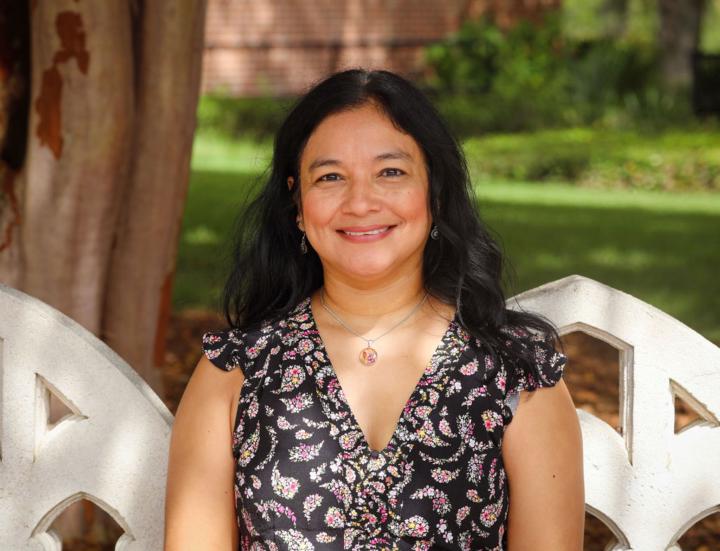
Profesor of Spanish with 20 years of experience teaching Spanish language and Hispanic cullture and literature.

Active 53m ago
Joined Dec 30, 2025