Activity
Mon
Wed
Fri
Sun
Feb
Mar
Apr
May
Jun
Jul
Aug
Sep
Oct
Nov
Dec
Jan
What is this?
Less
More
Owned by Adrian
Support for busy women who care for everyone else but lack the time for themselves—clear, quick guidance to finally prioritize your health.
Memberships
Skoolers
189k members • Free
10 contributions to 24/7-OBGYN Health Coaching

8d •
Why High-Achieving Women Ignore Pelvic Pain — and How to Stop Normalizing It
Many high-achieving women say, “I almost didn’t come in—I kept telling myself it wasn’t that serious.” Not because they don’t care, but because they’re used to pushing through discomfort. When life is full, pelvic pain quietly becomes something you manage instead of something you question. Pain that causes you to plan your life around your cycle, rely on medication, avoid intimacy, skip workouts, or push through exhaustion isn’t something to normalize—even if you’re still functioning. These symptoms are common, but they are not normal. Pelvic pain is often the body’s early way of communicating hormonal imbalance, inflammation, pelvic floor tension, or conditions like fibroids or endometriosis. High-achieving women adapt well, but adaptation is not the same as health. A helpful shift is asking, “If this were happening to someone I love, would I tell her to ignore it?” That question alone raises your internal standard. What to Do Next If Pelvic Pain Is Affecting Your Daily Life If pelvic pain is interfering with your work, sleep, relationships, or ability to move through your day comfortably: 1. Stop minimizing it. Needing medication every cycle, avoiding intimacy, or planning your schedule around pain is enough reason to seek care. 2. Track patterns, not just pain. Notice when symptoms occur in your cycle, what makes them better or worse, and what else shows up—fatigue, bloating, mood changes, or bowel issues. 3. Start the conversation. Schedule an appointment with a women’s health provider. Telehealth counts. You don’t need severe symptoms to deserve evaluation. 4. Ask directly for answers. It's okay to ask, “What could be causing this?” and “What are my options?” Early clarity prevents long-term consequences. 5. Remember this:Your body isn’t interrupting your life—it’s offering feedback. Listening sooner protects your future health.

15d •
Menopause in African American Women: What’s Different, What’s Missed, and What Matters
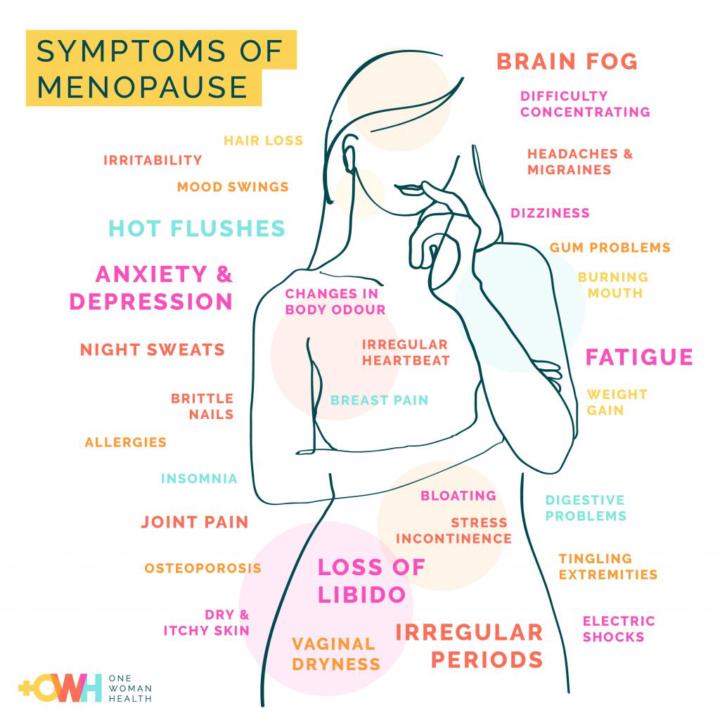
Menopause is a universal transition, but the experience is not the same for everyone. For African American women, menopause often begins earlier, lasts longer, and can feel more intense — yet conversations around it are frequently delayed, minimized, or overlooked. Research consistently shows that African American women tend to experience hot flashes earlier and for a longer duration compared to other groups. These symptoms are often more disruptive, affecting sleep, mood, focus, and overall quality of life. When sleep is interrupted night after night, it doesn’t just cause fatigue — it can worsen stress hormones, increase weight gain, and heighten the risk of chronic conditions. Another important factor is that many African American women enter menopause already managing higher baseline stress. The cumulative effects of work demands, caregiving roles, systemic stressors, and health disparities can amplify menopausal symptoms. This isn’t a personal failure — it’s physiology responding to prolonged load. Menopause also intersects with conditions that disproportionately affect African American women, such as hypertension, diabetes, and cardiovascular disease. Hormonal shifts during menopause can increase insulin resistance, affect cholesterol levels, and influence where the body stores fat. When symptoms are brushed off as “just aging” or “something to push through,” opportunities for early intervention are missed. There is also a significant communication gap. Many African American women report feeling unheard when they bring up menopausal concerns, or they normalize symptoms because they were never taught what menopause could look like. Silence does not mean absence of symptoms — it often means lack of support. Menopause is not the end of vitality, strength, or purpose. It is a transition that deserves preparation, education, and individualized care. Understanding how stress, sleep, nutrition, movement, and hormone changes intersect empowers women to advocate for themselves and make informed choices.
0 likes • 13d
Thanks for sharing. What you’re describing is something many women notice during perimenopause, and for African American women it can start earlier and feel confusing at first. Irregular or skipped periods and those pregnancy-like symptoms can happen as hormones fluctuate. If it starts affecting how you feel day to day, it’s worth having a conversation with a provider. Thanks again for sharing that!
13d •
The Gynecologic Symptoms Women Ignore Because They’re Busy
Many women don’t ignore gynecologic symptoms because they don’t care — they ignore them because life is full. Work, family, responsibilities, and deadlines often come first, and symptoms get pushed to the background. Here are some of the most common symptoms: 1.) Heavy periods are one of the most common examples. Bleeding that lasts longer than usual, soaking through pads or tampons, or passing large clots often gets normalized as “just how my body is,” even though it can lead to anemia, fatigue, and brain fog. 2.)Pelvic pain is another symptom many women learn to live with. Pain during periods, intercourse, or throughout the month is often dismissed as stress, aging, or something to tolerate. But ongoing pelvic pain is not something you should have to power through. 3.)Irregular bleeding between periods or after sex is also frequently overlooked, especially when cycles are already unpredictable. Many women assume it’s hormonal or related to stress, but persistent changes deserve attention. 4.)Subtle symptoms matter too. Feeling constantly tired, short of breath, or mentally foggy may not feel “gynecologic,” but they can be signs of iron deficiency from heavy bleeding. Being busy doesn’t make symptoms less important. Your body doesn’t stop communicating just because your schedule is full. Noticing changes and getting checked isn’t overreacting — it’s being proactive. Here's a reflection questions I tend to ask all my busy patients and one that you should ask yourself: What symptom did you ignore the longest because life felt too busy to deal with it?
18d •
Why Busy Working Women Gain Weight
Many busy working women gain weight even while exercising consistently, and it’s not because they lack discipline. Often it due to something we call CHRONIC STRESS… It’s your body trying to respond. Long work hours, mental load, poor sleep, and intense workouts can raise CORTISOL, a stress hormone that signals the body to CONSERVE ENERGY and STORE FAT, particularly around the abdomen. WHAT CAN THIS ALSO DO: -Can interfere with insulin sensitivity -Can disrupt ovulation and menstrual cycles AND… What we tend to do next often could make it worse. That’s right, we decide to perform intense workouts which can actually trick the body and interpret this as more stress…MORE CORTISOL… not relief. Why “Doing More” Often Backfires Many women respond to weight gain by: • Adding more cardio • Increasing workout intensity • Cutting calories further But under chronic stress, this can: • Worsen hormonal imbalance • Increase fatigue and cravings • Slow metabolic recovery What Actually Helps Instead of asking “How can I do more?” Try asking “What does my body need right now?” Supportive strategies may include: • Strength training over excessive cardio • Prioritizing sleep • Managing stress before increasing workout intensity • Eating consistently throughout the day • Allowing recovery during high-demand seasons Sometimes, the most accountable choice is not more effort, but better recovery, sleep, nourishment, and smarter training. Your body isn’t working against you — it’s communicating. Listening to those signals is often the first step toward sustainable change.
2
0


18d •
Weight and pregnancy
Can a woman’s weight plays a major role in her getting pregnant or is it just timing?
0 likes • 18d
In terms of weight and pregnancy, weight doesn't determine fertility, but it can influence hormones involved with ovulation. For example, being overweight could potentially cause the adipose or fat tissue to increase production of estrogen which causes changes in how regularly the ovaries release an egg. This is also why some people notice changes in their cycle when weight shifts in either direction. Also to add, fertility is complex. There's age, genetics, stress, nutrition, medical conditions and partner factors that all matter.
1-10 of 10

@adrian-simien-7609
OB-GYN dedicated to educating and empowering women with clear, compassionate, easy-to-understand health guidance.
Active 3d ago
Joined Nov 6, 2025
Powered by