
🔥
Oct '25 • General discussion
📸 Teetee’s Project: Children, Cameras, and Conservation
On the edge of the Kruger National Park, in the Limpopo region, Teetee is handing children a new kind of lens on their world.
With a camera in their hands, they don’t just take pictures—they learn to:
- Recognise wildlife: birds, antelope, elephants, and the fragile ecosystems they depend on.
- Value habitat: no forest, no hornbills; no river, no kingfishers.
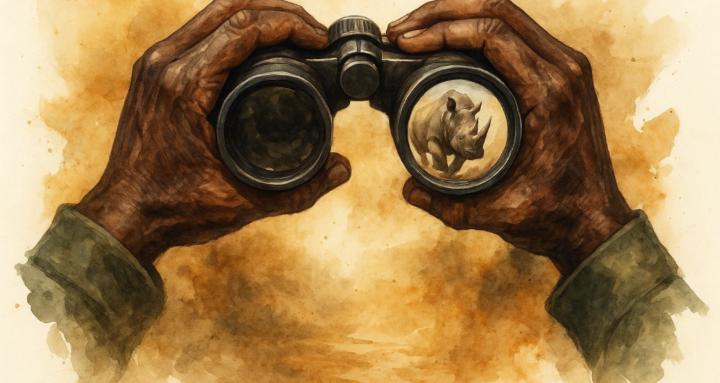
- Master tools: cameras, lenses, binoculars, and editing software become instruments of skill and pride.
- Protect the wild: children who photograph today’s herds may be tomorrow’s guardians, reporting threats like poaching.
🎯 The Vision
- Equip children with full photography kits, binoculars, and editing tools.
- Train them in both photography and ecology, so every image is also a lesson in conservation.
- Celebrate their work through local competitions, exhibitions, and online showcases.
- Build a website where their photos can be shared—and even sold—to support both the children and conservation efforts.
🛡️ Guardrails
- Community-first: equipment belongs to groups, not individuals, ensuring sustainability.
- Ecology before aesthetics: no photo is worth disturbing an animal or its habitat.
- Transparency: every donation is traceable to training, gear, or exhibitions.
- Dignity in storytelling: children are celebrated as creators, not framed as victims.
🌍 Why it matters to The Wild Alliance Because this is more than a project—it’s a model for how creativity can become conservation, and how conservation can become community resilience. Limpopo’s children aren’t just learning to take photos; they’re learning to take ownership of their wild future.
💡 Invitation to the Alliance: How might we strengthen Teetee’s vision? Could we help refine the competitions, amplify the children’s voices online, or design the kind of website that showcases their work without exploitation?
2
3 comments
📸 Teetee’s Project: Children, Cameras, and Conservation
powered by
skool.com/wildlife-alliance-8055
A movement to stop poaching, protect wildlife, and empower anti-poaching rangers through education and action.
Suggested communities
Powered by