
Dec '25 (edited) • General discussion
The Process for Impeachment
Lots of discussion of impeachment abroad these days. Most people apparently mean, "removal from office by impeachment," but that is a mouthful and saying just "impeachment" gets the point across well enough.
"Impeach," in various forms, appears in the Constitution six times.
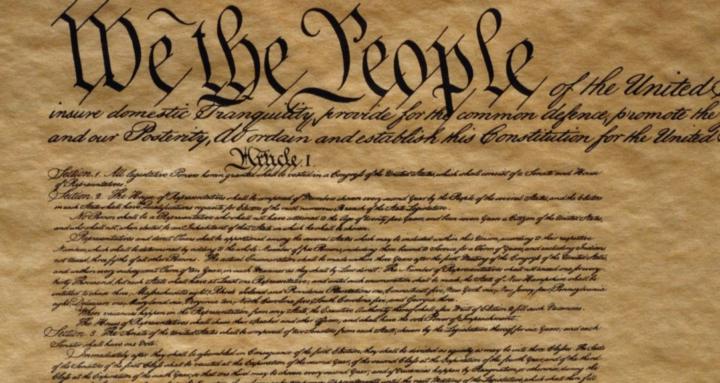
The first is in Article I, section 2, paragraph 5, which assigns to the House of Representatives "the sole power of impeachment." This gets to why accuracy requires the full phrase, "remove from office via impeachment." "To impeach" only means to make an allegation. Just saying that someone has committed an offense is to impeach them. It is possible to impeach a person's reputation.
The second use of impeachment comes in Article I, section 3, paragraph 6, which assigns to the Senate "the sole power to try all impeachments." Once the allegation gets made, the task becomes to establish if it is true or accurate. The Constitution consistently requires a trial, usually by jury, to determine the veracity of any allegation. Impeachment is unusual in the Constitution in giving the power to try impeachments to the Senate.
The Supreme Court case, Nixon v. United States, 506 U.S. 224 (1993), contains in the majority opinion an interesting and informative discussion of why the Founders chose to set the process of removal via impeachment the way they did.
The third use of the word comes in the next paragraph, defining the penalty for a finding of guilt in an impeachment trial to be removal from office and disqualification from any office again under the Constitution. The guilty party remains liable to ordinary criminal prosecution for their alleged offenses, which further marks impeachment as a unique process.
The fourth use of "impeachment" occurs in Article II, section 2, which gives the president the power to pardon, except in cases of impeachment. The Founders were emphatic that any person who suffered removal from office via impeachment should not hold office again in our republic.
Article II, section 4 consists of nothing but the statement that "all civil Officers of the United States shall be removed from office on impeachment for, and Conviction of, Treason, Bribery, or other high crimes and misdemeanors." The primary concern, unsurprisingly, is for offenses that involve abuse of the power of the office. Note that this passage reflects the two part procedure, "impeachment for, and Conviction of." Impeachment and conviction are distinct.
Article III, Section 3, paragraph 3 contains the sixth use of "impeach," only specifying that "the trial of crimes, except in cases of impeachment, shall be by Jury...." This just reiterates the rule that the Senate has the sole power to try all impeachments as part of stating the right to trial by jury.
Most of the discussion of impeachment, besides whom to remove from office via impeachment, centers on the question of what offenses merit such removal. The emphasis clearly is on criminal conduct. The problem is that we need some mechanism to remove corrupt officials, but invoking the impeachment process for political or policy differences could result in rendering the federal government incapable of functioning.
Attempts to remove the president from office via impeachment have been very rare and have never succeeded, unless one counts Richard Nixon. Nixon resigned after the House Judiciary Committee had voted out articles of impeachment and three prominent Republicans warned him that the Senate would likely convict him. In that case, the impeachment process worked, only not the way the Founders intended.
0
0 comments
The Process for Impeachment
powered by
skool.com/us-constitution-8409
Information and discussion about the Constitution of the United States.
Suggested communities
Powered by