
8d • General discussion
Lesson 1: Stay in the Vehicle
Before we begin, let’s set something straight:
there is nothing wrong with you.
If you struggle with anxiety, PTSD, overwhelm, or a constant sense of being “too much” or “not enough,” it is not because you are weak or broken. It is because your nervous system learned—very wisely at the time—how to protect you. This course is not about undoing that wisdom. It’s about helping your body recognize when protection is no longer required.
Here is the core idea of this course:
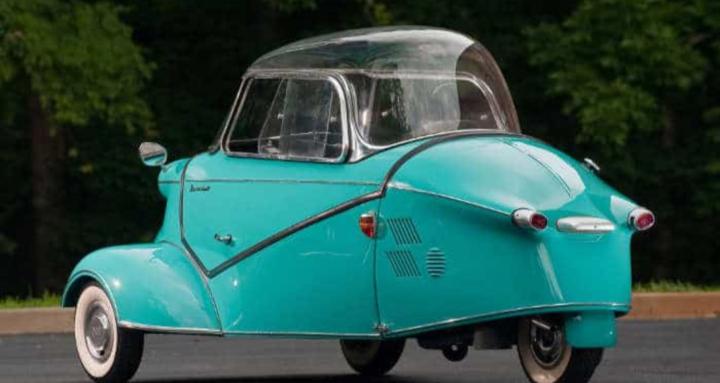
Your body is your vehicle.
And the safest place to be is inside it.
We are a spirit.
We have a soul—our mind, thoughts, and emotions.
And we live in a body.
Your mind can travel effortlessly into the past or the future. Your imagination can replay memories or create entire scenarios in seconds. Your spirit can stretch toward meaning, hope, and possibility. But your body—your vehicle—lives in only one place:
Right now.
That is not a limitation.
It is a gift.
When trauma occurs, especially early or repeatedly, the body often learns that the present moment is not safe. So it develops strategies: leaving the body, scanning for danger, rehearsing catastrophe, staying alert at all times. Over time, this can feel like living outside the vehicle—watching life instead of inhabiting it.
Anxiety and PTSD often aren’t about what is happening now. They are about a nervous system that is still responding to what once happened. The body does not lie, but it can be out of date.
Think of driving a car while leaning halfway out the window, trying to steer the vehicle next to you. It sounds absurd—and dangerous. Yet many of us live this way internally: part of us in the present, part of us in the past, part of us managing imagined futures or other people’s reactions.
Staying in the vehicle means bringing yourself back to the one place where choice exists—the present moment, inside your body.
This does not mean forcing calm.
It does not mean pretending the past didn’t happen.
It means orienting to now.
Right now:
- Your hair is not on fire.
- The room you are in is not on fire.
- No one is chasing you.
- You are breathing.
Staying in the vehicle is a practice, not a performance. You will leave it. Often. Gently returning is the work.
Practice (Optional)
Right now, notice three places where your body is supported.
Name them quietly to yourself.
Take one slow breath.
That’s it.
Nothing to master.
Nothing to finish.
You’re already on the road.
2
0 comments
Lesson 1: Stay in the Vehicle
powered by
skool.com/stay-in-the-vehicle-7203
A trauma-informed space to learn grounding, breath, and nervous-system tools that help you stay present, safe, and embodied in daily life.
Suggested communities
Powered by