
6h • Announcements!
New Year's Eve - A Threshold Between Past and Future
The turn of the year is a liminal time, when the soul stands between what has been lived and what is coming. On New Year’s Eve, human consciousness can more easily review the past year with honesty and moral clarity, plant intentions for the coming year at a deeper, soul level.
This is not so much about resolutions in the modern sense, but more about inward orientation.
Part of the 12 Holy Nights:
New Year’s Eve falls within the Thirteen Holy Nights ( Dec 24 – Jan 5), a period that Rudolf Steiner described as spiritually heightened because the physical world’s grip is slightly loosened, imaginative and intuitive faculties can become more accessible.
Human beings have the potential are more open to spiritual influences—for good or ill and because of this openness, Steiner emphasized inner vigilance.
Responsibility of Thought:
Steiner points out that thoughts and intentions formed around New Year’s Eve can have a formative influence on the year ahead.
Clear, ethical, and consciously chosen thoughts can help align the individual with constructive spiritual forces
This is why quiet reflection, rather than excess or distraction, was seen as especially fruitful (but I do like to combine this with a party, music and preferably fire works).
Seeding the Coming Year:
Spiritually speaking, New Year’s Eve can be seen as a moment to strengthen moral imagination, reconnect with one’s higher aims and align our personal will with broader human and cosmic development.
In short, New Year’s Eve is a moment of spiritual orientation, not necessarily prediction.
Happy New Year!
Mick
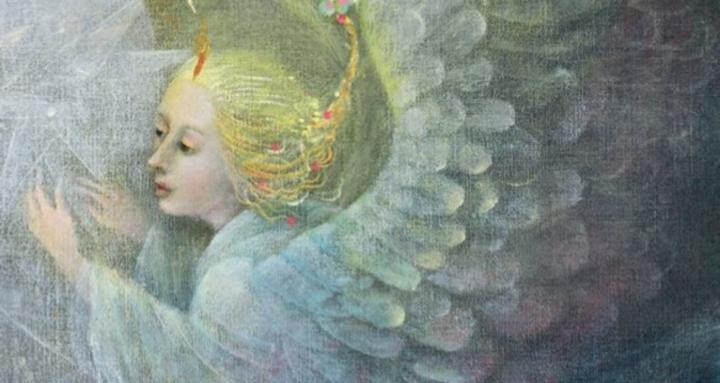
Art by Colin W. Burns
5
2 comments
New Year's Eve - A Threshold Between Past and Future
skool.com/spiritual-science-community-4454
Exploring the deep spiritual questions of our time with the help of the insights of Rudolf Steiner.
Leaderboard (30-day)
1

+4
2

+2
3

+2
4

+2
5

+2
Powered by