Apr 25 • General discussion
Burned Out, Underpaid, and Ignored: Time for a Social Worker Revolution
The first thing I want to say is that I love being a social worker. Yes, I could have been a clinical psychologist and made more money. But that was not what I went into this profession for. I think what separates social workers from all other professionals is our unwavering commitment to client autonomy. We do not tell our clients or patients what to do. Rather, we work to help them understand the potential consequences of their choices and actions while supporting their right to continue to make their own choices, no matter how ill-advised.
Social workers are tasked with meeting people where they are, as tired as that phrase may sound. We accept that it may take time for people to understand the need to change, engaging in motivational interviewing along the way to assess readiness for change.
Social work is often an ancillary service in the medical realm. When it becomes clear that patients have issues such as inability to access resources, violence within the home, or housing instability, the refrain is most commonly “I’ll refer you to social work.” This warm handoff very clearly is a punt from someone who cannot be bogged down by psychosocial issues because their focus is on more immediate medical issues. It’s short-sighted, for certain, since those psychosocial issues usually negatively impact health outcomes.
Working in medical homecare, I learned that social workers are seen as little more than glorified case workers. And to be honest, why wouldn’t we be when no one truly knows what we do? We complete housing and social service applications with no one appreciating our years or education or level of knowledge. This is not said as a recrimination against other professionals, but rather to illustrate what they assume is the job of a social worker.
I have not yet met anyone outside of this profession who realizes part of our master’s program entails two years of internship, that we then go on to get licensed after taking a rigorous exam, and then hopefully get 2,000 supervised clinical hours of experience in order to earn our clinical certification which then must be maintained through 36 CEU credit hours every three years (at least in NYS). And the reality, I know, is that even if they did know, they still might not care.
And we accept this. We accept that we are the ones who are called in to do an impossible job with little resources, and accept a life of penury in the process. Don’t agree? Then why is it that many master’s level social work jobs do not even pay $70,000 annually? Why do so many social workers need a side hustle just to make ends meet? Why is it okay with us that we have bought into the idea of the nobility of not earning a living wage because we are fighting the good fight… even if that means we cannot pay our own rent or student loans? But this is more than just about better pay. It’s about respect. It’s about recognizing that we are not just “referral machines” or “glorified caseworkers.” We are trained professionals who save lives, prevent crises, and build stronger communities. Every time we accept low wages and poor working conditions, we are telling the world that our work doesn’t matter.
And why do so many social workers pay dues and fealty to NASW when they do nothing to ensure better salaries and protections for us? The NASW may claim that their mission is “to enhance the professional growth and development of its members, to create and maintain professional standards, and to advance sound social policies,” but what does that $236 annual membership get you?
Many years ago, I was acquainted with a board member of the NY chapter of NASW who knew my feelings about the organization and so invited me to one of their board meetings to express my opinion. When I pointedly asked one of the board what NASW does for social workers, and then went on to describe conditions at my own job, the answer that I received was that they are not a compulsory organization and are only there to guide. In the 20 years subsequent, I have not felt at all guided by them, at all.
Social workers need a professional organization that is buoyed by the voices of its members – members who are involved and who live the tenets of the profession.
The revolution starts now. We need to organize, to speak with one powerful voice, to demand what we’re worth. We need to create an association that actually fights for us – not one that takes our money and offers platitudes in return while we continue to burn out.
This is our moment. The time for quiet resignation is over. The time for revolution is NOW. Will you stand with me?
1
0 comments
Burned Out, Underpaid, and Ignored: Time for a Social Worker Revolution
powered by
skool.com/revolutionary-social-worker-2186
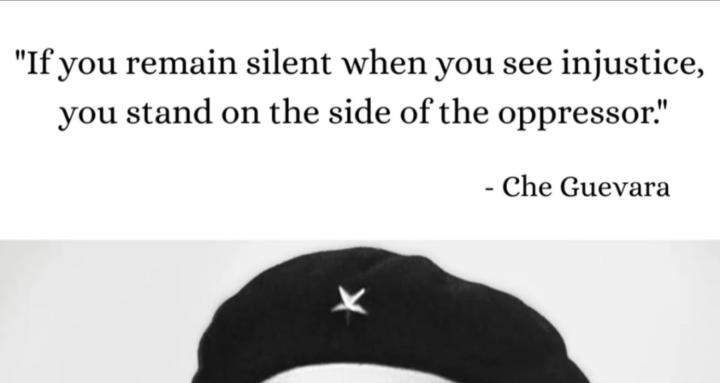
This group aims to attract revolutionary social workers ready to embrace the political nature of social worker and effect real change.
Suggested communities
Powered by