
Aug '25 • Workshop Wednesday
Part 2: Why Manual Testing is the perfect background for QA Automation.
Most QA Automation engineers work in isolation. They're the last in the loop.
They get requirements (sometimes). They write tests. They start over.
⚠️ Problem: They have zero context about the bigger picture.
𝐌𝐚𝐧𝐮𝐚𝐥 𝐓𝐞𝐬𝐭𝐞𝐫𝐬? You've been the information hub for years.
𝐁𝐲 𝐧𝐚𝐭𝐮𝐫𝐞, 𝐌𝐚𝐧𝐮𝐚𝐥 𝐓𝐞𝐬𝐭𝐢𝐧𝐠 𝐟𝐨𝐫𝐜𝐞𝐬 𝐲𝐨𝐮 𝐭𝐨 𝐭𝐚𝐥𝐤 𝐭𝐨 𝐞𝐯𝐞𝐫𝐲𝐨𝐧𝐞.
📌 𝐑𝐞𝐚𝐥 𝐄𝐱𝐚𝐦𝐩𝐥𝐞 𝐨𝐟 𝐓𝐡𝐞 𝐋𝐨𝐬𝐭 𝐂𝐨𝐧𝐭𝐞𝐱𝐭 𝐏𝐫𝐨𝐛𝐥𝐞𝐦
𝐐𝐀 𝐀𝐮𝐭𝐨𝐦𝐚𝐭𝐢𝐨𝐧 𝐄𝐧𝐠𝐢𝐧𝐞𝐞𝐫 𝐠𝐞𝐭𝐬 𝐭𝐚𝐬𝐤: "Automate the checkout process"
𝐖𝐡𝐚𝐭 𝐭𝐡𝐞𝐲 𝐝𝐨: Code for 2 weeks. Build tests.
𝐖𝐡𝐚𝐭 𝐭𝐡𝐞𝐲 𝐦𝐢𝐬𝐬𝐞𝐝: Checkout is getting redesigned next sprint. All work wasted.
𝐖𝐡𝐚𝐭 𝐰𝐨𝐮𝐥𝐝 𝐲𝐨𝐮 𝐡𝐚𝐯𝐞 𝐝𝐨𝐧𝐞? 𝐀𝐬𝐤:
- "Product - what business rules should I know?"
- "Support - what login issues do users actually face?"
- "DevOps - any infrastructure changes coming?"
𝐑𝐞𝐬𝐮𝐥𝐭: No wasted effort, better coverage, bigger impact.
🟢 That is why Manual Testers who are transitioning to automation:
✔️ Become better team leads, and do that faster
✔️ Create better test coverage because they know how the product works A to Z
✔️ Build tests faster - they know who to ask and what, without waiting days.
💻 𝐘𝐨𝐮𝐫 𝐊𝐧𝐨𝐰𝐥𝐞𝐝𝐠𝐞 𝐓𝐫𝐚𝐧𝐬𝐟𝐞𝐫𝐬 𝐄𝐯𝐞𝐫𝐲𝐰𝐡𝐞𝐫𝐞
Even at new companies, you understand:
- Who makes product decisions
- How development cycles work
- Where tests usually break
- When to escalate vs dig deeper
𝐂𝐒 𝐠𝐫𝐚𝐝𝐬 𝐚𝐧𝐝 𝐞𝐱-𝐝𝐞𝐯𝐞𝐥𝐨𝐩𝐞𝐫𝐬 𝐬𝐰𝐢𝐭𝐜𝐡𝐢𝐧𝐠 𝐭𝐨 𝐐𝐀?
They code tests without understanding business logic.
When something is unclear, they don't know who to ask, so they keep digging... for days...
𝐓𝐡𝐞 𝐁𝐨𝐭𝐭𝐨𝐦 𝐋𝐢𝐧𝐞
Your manual background isn't a weakness to overcome.
✅ 𝐈𝐭'𝐬 𝐲𝐨𝐮𝐫 𝐛𝐢𝐠𝐠𝐞𝐬𝐭 𝐜𝐨𝐦𝐩𝐞𝐭𝐢𝐭𝐢𝐯𝐞 𝐚𝐝𝐯𝐚𝐧𝐭𝐚𝐠𝐞.
Every bug investigation, every cross-team meeting, every conversation with a product...
That's all the training for exceptional QA Automation.
Don't undervalue it. Build on top of it.
𝐏.𝐒. Do you agree that a quick 3-minute conversation with Product or Devs can save you hours?
36
1 comment
Part 2: Why Manual Testing is the perfect background for QA Automation.
skool.com/qa-automation-career-hub
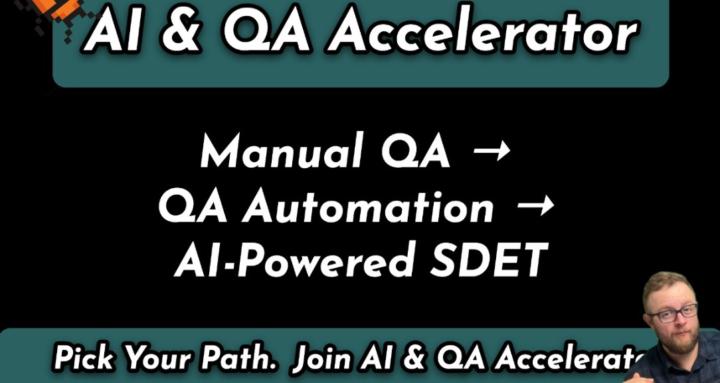
Manual QA → QA Automation → AI-Powered SDET. Pick Your Path. Join AI & QA Accelerator.
Leaderboard (30-day)
1

+8
2

+4
3

+3
4

+3
5

+2
Powered by