
May 11 • Success Stories
Singularity Watch
Projects like “Singularity Watch” and the Peer Mental Health initiatives help demonstrate how Film/Video-Based Therapy operates in practice beyond traditional psychotherapy models.
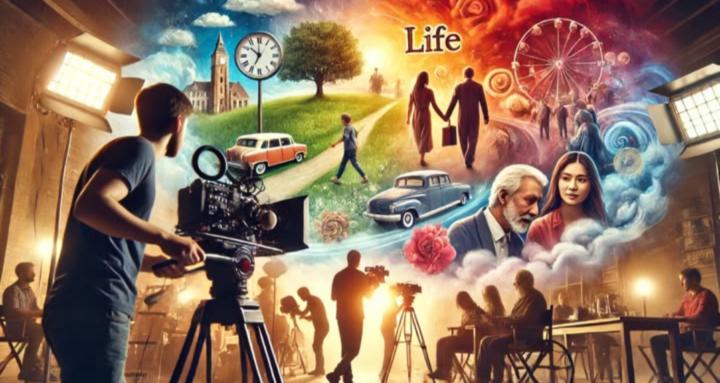
These projects are not simply about making films for entertainment or generic storytelling. They demonstrate how media creation, collaborative production, symbolic narrative, technology, and community engagement can function as transformative processes.
The framework examines how people:
- construct meaning through media,
- process identity through narrative,
- engage emotionally and socially through collaborative filmmaking,
- use symbolic storytelling to explore trauma and growth,
- and develop purpose, connection, communication skills, vocational direction, and social reintegration through participatory media experiences.
Peer Mental Health was important because it showed how filmmaking and media participation could intersect with:
- peer support,
- recovery-oriented systems,
- social connection,
- workforce development,
- identity reconstruction,
- and community-based mental health approaches.
The emphasis was not merely “therapy” in the narrow clinical sense. The work explored how media participation itself could become part of:
- human development,
- empowerment,
- education,
- rehabilitation,
- social engagement,
- and post-traumatic growth.
“Singularity Watch” also reflected broader themes in Film/Video-Based Therapy involving:
- media psychology,
- human-technology interaction,
- AI,
- virtual reality,
- symbolic futures,
- identity,
- and the psychological impact of emerging media systems on society.
The projects helped illustrate that Film/Video-Based Therapy is an interdisciplinary media-psychology framework examining how audiovisual media and participatory storytelling processes affect:
- cognition,
- emotion,
- behavior,
- identity,
- embodiment,
- community,
- and cultural meaning-making.
This differs substantially from simply labeling the work as “digital storytelling therapy” or reducing it to expressive arts techniques alone.
The framework includes:
- viewing media,
- creating media,
- collaborative filmmaking,
- peer-based storytelling,
- immersive technologies,
- symbolic analysis,
- narrative identity work,
- educational systems,
- trauma-informed applications,
- and emerging technology ecosystems.
Please ensure future content reflects this broader interdisciplinary framework accurately.
1
0 comments
Singularity Watch
powered by
skool.com/post-traumatic-growth-and-fvbt-4234
Post-Traumatic Growth and Film/Video-Based Therapy
Suggested communities
Powered by