
Mar 20 • General discussion
Why I switched from paid to organic
I’ve been in eCommerce for six years, building brands across niches from fashion to home decor—on every platform and marketplace.
From the very beginning, I hated dealing with paid ad platforms and all of their bullshit .
It took me almost a year to fully grasp Facebook & Google Ads—learning Pixels, Business Manager, attribution models—even the interface felt deliberately overwhelming.
And you know what? I believe that’s by design.
The more room there is for advertisers to make mistakes the more room there is for these platforms to profit.
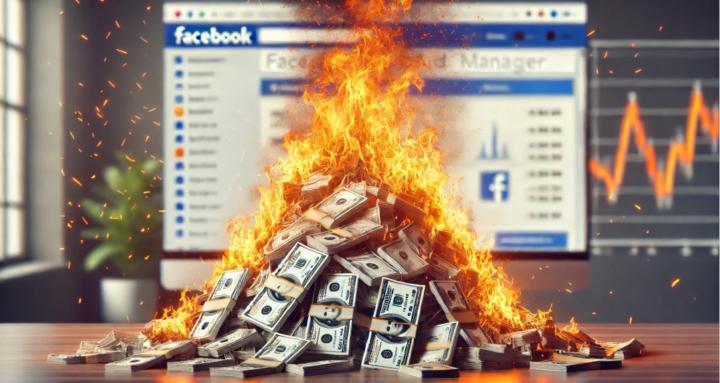
These platforms were not built for entrepreneurs and small business owners like us or even lean marketing teams. They were engineered for massive enterprises with money to burn .
Back then, I didn’t know any other way to drive traffic to my stores, so I sucked it up and went all in.
I spent hours every single day analyzing ad data, tweaking campaigns, and trying to make sense of the numbers. But without hiring a data analyst, much of it felt useless in the real world.
👉 The goal of a business is simple: get sales and close leads efficiently.
Yet, the way these ad platforms operate? It’s anything but efficient.
One thing that always baffled me: with all the data being collected, why could they never tell me exactly where my money was going?
And now, with ad networks increasingly removing manual controls, it’s getting even worse.
---------------------------------------------------------------------------------------------------------------------
So in 2024, I turned off all my paid ads.
I went back to the drawing board and asked myself two key questions :
- Why do customers actually want my product?
- How can I position my brand to serve, not just sell?
That’s when I fully committed to organic marketing.
Because here’s the truth:
Organic marketing isn’t just about content—it’s about building assets. It’s about creating a brand that people care about, rather than chasing customers with ads.
It’s about resilience—where your traffic doesn’t disappear the second you stop spending.
Organic isn’t easy. It requires real strategy and a brand that actually means something.
(Think of it like building your own village instead of renting land from Facebook & Google.)
But I can tell you this: in the long run, organic is cheaper, easier to scale, and builds deeper connections with your customers.
And when done right? It turns into a self-perpetuating marketing machine. 🚀
0
0 comments
Why I switched from paid to organic
skool.com/organic-exposure-1497
Paid ad’s are getting harder & less effective As each day passes
Stop burning your cash on these platforms and start taking back control
join us
Powered by